 HYGO News
 Various different reactions to end of DACA
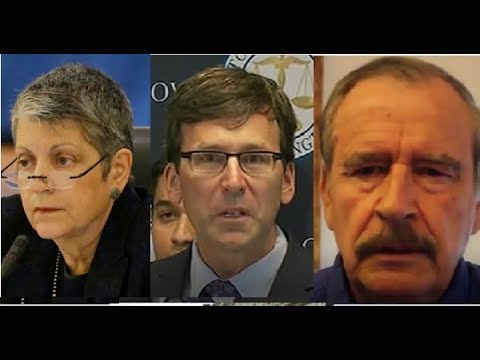
Various different reactions to end of DACA
In September 2017, the Trump administration announced the end of the Deferred Action for Childhood Arrivals (DACA) program, setting off a firestorm of reactions from both supporters and opponents of the decision. This video captures the full range of responses, from legal challenges and emotional protests to conservative arguments defending the move.
Legal Challenges Mount Across the Country
The reaction from state attorneys general was swift. As the video description noted, “15 States+DC sued Trump for ‘Racial Animus’, bias against Latinos (since mexicans=80% DACA).” The University of California also sued the Trump administration for violating the rights of UC students, where approximately 4,000 undocumented students were enrolled. UC President Janet Napolitano said UC would continue to provide in-state tuition, the DREAM loan program, and free legal services.
Washington state’s Attorney General was particularly forceful in the video, declaring: “It’s outrageous. You know, as Attorney General for the state of Washington, I fortunately have a hammer. It’s the law. We’ve beaten the Trump administration over and over again.” California, Minnesota, Maryland, and Maine also filed their own lawsuits. In New York, Trump’s Bronx golf course was defaced with pro-immigration graffiti, a physical manifestation of the anger spreading across the country.
DACA Recipients Speak Out
The video features DACA recipients who refused to be intimidated by the announcement. One group appeared together on camera: “We’re sitting here, all DACA recipients, to show Trump that we’re not going to be afraid of him. That we’re tired of him attacking us. And we’re going to continue to fight not just for Dreamers, but for our families. We didn’t come to this country alone. We came with our community. We came with our families.”
A representative from the immigrant community in New York spoke in the video as well, addressing Trump directly: “Trump, you have failed, cancelling DACA. This measure is cruel and heartless. You’re cancelling the future of 800,000 children and young people. I hope your grandson’s never be in this terrible situation.”
One elected official delivered a passionate condemnation: “It is a dark pall of cruelty and inhumanity which has covered this land as a result of this president’s willful, malicious, bigotry which has attempted to stifle the dreams of some of the strongest, most ambitious, most vibrant, most brilliant people in our blessed community. And that’s the Dreamers.”
The personal stories were difficult to dismiss. One mother in the video spoke about her daughter’s future: “She has a whole life ahead of her. She’s so smart. And now her opportunity, she won’t even be able to enjoy this opportunity. She’ll have DACA until she’s 17. She won’t even be able to apply for colleges. And she was brought here when she was two.”
The Conservative Counterargument
The video also presented conservative voices who supported ending the program. One commentator pushed back on the outrage, arguing: “Now you would think, based on the response that we have seen from the left to what President Trump decided to do with DACA, that Trump said that he was going to personally round up all of the immigrant babies and ship them back to Mexico. And I have news for you. That’s not going to happen.”
They pointed out that existing protections would not vanish overnight: “In fact, if you are currently protected by DACA, you will continue to be protected by DACA until your protection expires. And if that protection is set to expire before March 5th of 2018, then guess what? You even get to apply for a renewal before October.”
The constitutional argument was central to the conservative position. One speaker stated bluntly: “It’s unconstitutional. That’s the bottom line. So it doesn’t matter what you feel. It doesn’t matter what your feelings are.” Another argued that the sense of entitlement was the real issue: “When you have an entire class of 800,000 people who feel entitled to be here, despite the law, you’re creating the very trouble that we are in now.”
Additional Context from Full Remarks
Several speakers in the video who identified as legal immigrants or children of legal immigrants expressed frustration that their families’ efforts to follow the law were being overlooked. One stated: “Nobody’s thinking of the legal Latinos here and what our families did to get to this country and what right now so many people that love and respect this country and its laws are doing to get here.”
A Nicaraguan immigrant who had lived in California for 30 years shared a more nuanced perspective: “I love this country. I love my state. It’s never enough. There’s always a problem with it. And we’re already giving so much.”
The debate over DACA revealed deep fault lines not just between political parties, but within the Latino community itself, with legal immigrants and DACA recipients often holding sharply different views on the program’s fairness and legality. One speaker noted that many of the DACA recipients who “claim to be so oppressed and have to live in the shadows” were actually “out of the shadows on the lawns of the White House or in front of the public sidewalks in front of Trump Tower demanding, demanding, demanding.” The visibility of the protests themselves became a point of contention in the debate over whether the program’s beneficiaries were truly vulnerable or politically organized.
Key Takeaways
- The end of DACA triggered an immediate wave of lawsuits from 15 states plus the District of Columbia, as well as the University of California system, alleging racial bias and violations of student rights.
- DACA recipients and their advocates spoke publicly about refusing to live in fear, while conservative commentators argued the program was unconstitutional and that existing protections would not expire immediately.
- The debate exposed divisions not just between political parties but within immigrant communities, with legal immigrants questioning whether DACA recipients were undermining the lawful immigration process.