 HYGO News
 Kennedy: Why Are So Many Wealthy People Leaving NYC? Clausing: Not Fleeing NYC
By HYGO News
Published
· Updated
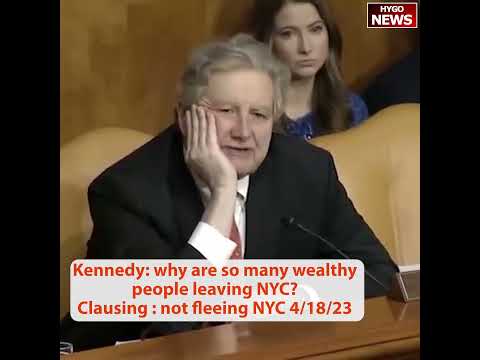
Kennedy: Why Are So Many Wealthy People Leaving NYC? Clausing: Not Fleeing NYC
Sen. John Kennedy (R-La.) pressed witness Clausing during May 2023 congressional testimony on why so many wealthy people were leaving New York City, with Clausing insisting “I don’t think there are a lot of people fleeing New York City” despite Kennedy’s repeated claims of “study after study after study.” The tense exchange exposed fundamental disagreement about migration patterns from high-tax jurisdictions and their economic causes.
The Kennedy Challenge
- Direct question: Direct question.
- Migration pattern: Migration pattern.
- Wealthy departures: Wealthy departures.
- Economic motivations: Economic motivations.
- Policy implications: Policy implications.
The Clausing Response
- “Incredible city”: “Incredible city” framing.
- Innovation emphasis: Innovation emphasis.
- Immigration point: Immigration point.
- Entrepreneurship focus: Entrepreneurship focus.
- Positive characterization: Positive characterization.
The Disagreement
- Factual dispute: Factual dispute.
- Migration reality: Migration reality.
- Study evidence: Study evidence.
- Professional disagreement: Professional disagreement.
- Political positioning: Political positioning.
The Entrepreneurial Argument
- Innovation centers: Innovation centers.
- Economic clustering: Economic clustering.
- Network effects: Network effects.
- Productive ecosystems: Productive ecosystems.
- Economic geography: Economic geography.
The Study Evidence
- Multiple studies: Multiple studies.
- Research pattern: Research pattern.
- Factual basis: Factual basis.
- Evidence accumulation: Evidence accumulation.
- Professional analysis: Professional analysis.
The Tax Migration Theory
- High-tax states: High-tax states.
- Wealthy departures: Wealthy departures.
- Policy responses: Policy responses.
- Economic decisions: Economic decisions.
- Political implications: Political implications.
The New York Context
- Economic center: Economic center.
- Innovation hub: Innovation hub.
- Financial services: Financial services.
- Tax burden: Tax burden.
- Quality of life: Quality of life.
The Economic Debate
- Migration drivers: Migration drivers.
- Policy effects: Policy effects.
- Tax burden: Tax burden.
- Quality of life: Quality of life.
- Economic opportunities: Economic opportunities.
The Kennedy Style
- Folksy approach: Folksy approach.
- Direct questioning: Direct questioning.
- Political theater: Political theater.
- Effective framing: Effective framing.
- Substantive critique: Substantive critique.
The Witness Position
- Defensive posture: Defensive posture.
- Professional framing: Professional framing.
- Factual disagreement: Factual disagreement.
- Administrative position: Administrative position.
- Policy defense: Policy defense.
The Migration Patterns
- High-tax flight: High-tax state flight.
- Florida migration: Florida migration.
- Texas migration: Texas migration.
- Tennessee migration: Tennessee migration.
- Low-tax destinations: Low-tax destinations.
The Political Implications
- Tax policy: Tax policy debate.
- State competition: State competition.
- Federal policy: Federal policy.
- Electoral politics: Electoral politics.
- Policy reform: Policy reform.
The Economic Analysis
- Tax incidence: Tax incidence.
- Behavioral response: Behavioral response.
- Economic theory: Economic theory.
- Empirical evidence: Empirical evidence.
- Policy implications: Policy implications.
The Wealth Creation
- Innovation clusters: Innovation clusters.
- Capital formation: Capital formation.
- Entrepreneurial activity: Entrepreneurial activity.
- Economic development: Economic development.
- Productivity growth: Productivity growth.
The Government Revenue
- Tax base: Tax base.
- State revenue: State revenue.
- Fiscal implications: Fiscal implications.
- Budget effects: Budget effects.
- Policy sustainability: Policy sustainability.
The Regional Economics
- Economic geography: Economic geography.
- Regional development: Regional development.
- State competition: State competition.
- Metropolitan areas: Metropolitan areas.
- Economic clustering: Economic clustering.
The Policy Reform
- Tax competitiveness: Tax competitiveness.
- State policies: State policies.
- Federal incentives: Federal incentives.
- Economic development: Economic development.
- Policy evolution: Policy evolution.
The Congressional Oversight
- Committee jurisdiction: Committee jurisdiction.
- Economic analysis: Economic analysis.
- Professional examination: Professional examination.
- Democratic function: Democratic function.
- Policy review: Policy review.
The Fiscal Framework
- Tax revenue: Tax revenue.
- Government services: Government services.
- Public investment: Public investment.
- Economic development: Economic development.
- Fiscal sustainability: Fiscal sustainability.
The Political Context
- Republican critique: Republican critique.
- Democratic position: Democratic position.
- Policy debate: Policy debate.
- Electoral implications: Electoral implications.
- Public discourse: Public discourse.
The Economic Reality
- Migration statistics: Migration statistics.
- Tax filings: Tax filings.
- Census data: Census data.
- Demographic shifts: Demographic shifts.
- Economic evidence: Economic evidence.
The Professional Standards
- Economic evidence: Economic evidence.
- Professional analysis: Professional analysis.
- Data integrity: Data integrity.
- Academic research: Academic research.
- Policy evaluation: Policy evaluation.
The Substantive Debate
- Policy effectiveness: Policy effectiveness.
- Tax competitiveness: Tax competitiveness.
- Economic development: Economic development.
- State competition: State competition.
- Public welfare: Public welfare.
Key Takeaways
- Sen. Kennedy pressed witness Clausing on why wealthy people are leaving NYC.
- Clausing insisted “I don’t think there are a lot of people fleeing New York City.”
- Kennedy cited “study after study after study” showing the migration pattern.
- The exchange exposed fundamental disagreement about tax-driven migration.
- Clausing emphasized NYC’s status as “incredible city of innovation.”
- The debate reflected broader tension over high-tax state policies.
Transcript Highlights
The following quotations are drawn from an AI-generated Whisper transcript of the hearing and should be considered unverified pending official transcript release.
- “Why do you think so many wealthy people are leaving New York City?” — Sen. Kennedy
- “New York City is an incredible city of innovation, immigration, entrepreneurship.” — Clausing
- “I don’t think there are a lot of people fleeing New York City.” — Clausing
- “Sure there are. There are thousands. I mean, they’ve been study after study after study.” — Sen. Kennedy
- “You think they’re leaving to be nearer to centers of entrepreneurial activity, do you?” — Sen. Kennedy
- “I think there’s an enormous number of wealthy people who are in New York City and continue.” — Clausing
Full transcript: 146 words transcribed via Whisper AI.