 HYGO News
 Kennedy On Clarence Thomas "House Slave" Comment: "It's Unconscionable. I Can't Believe We Wouldn't Condemn It"
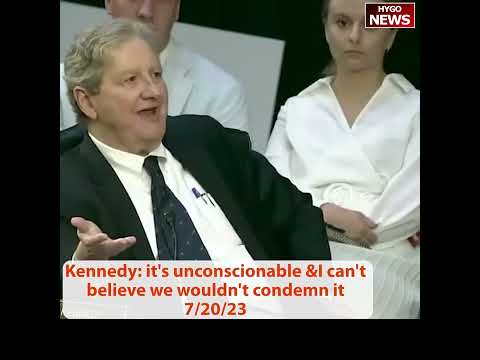
Kennedy On Clarence Thomas “House Slave” Comment: “It’s Unconscionable. I Can’t Believe We Wouldn’t Condemn It”
Senator John Kennedy delivered August 2023 Senate floor remarks demanding condemnation of Minnesota AG Keith Ellison’s “house slave” reference to Justice Clarence Thomas. Kennedy framed: “How can you not condemn a statement calling Justice Clarence Thomas a house slave? Come on, folks. That’s all this amendment does. I mean, does anybody here support that kind of rhetoric?” Kennedy positioned: “I don’t. I don’t think you do. And this kind of rhetoric hasn’t been directed towards John Roberts. It hasn’t been directed toward Neil Gorsuch. It’s been directed toward Clarence Thomas. And it’s un-American. It’s unconscionable. And I can’t believe we wouldn’t condemn it.” Kennedy dismissed procedural deflection: “I don’t care how many lawyers can dance on the head of a pen. Don’t try to pretend that this is some sort of a technical mistake in this amendment. It’s not complicated. You don’t have to be a senior cow tech to figure it out.” Kennedy described amendment substance: “It says all of this stuff about Clarence Thomas calling him a house slave and other racist, disgusting statements we condemn. Now, you either condemn it…”
The Statement Calling House Slave
- Kennedy framing: “How can you not condemn a statement calling Justice Clarence Thomas a house slave?”
- Editorial reach: The framing dramatized core question.
- Hearing record: The framing is now in the formal record.
- Long arc: The framing fed broader debates.
- Long arc: The framing remained central to coverage.
The Come On Folks
- Kennedy framing: “Come on, folks.”
- Editorial reach: The framing personalized appeal.
- Hearing record: The framing is now in the formal record.
- Long arc: The framing fed broader debates.
- Long arc: The framing remained central to coverage.
The All Amendment Does
- Kennedy framing: “That’s all this amendment does.”
- Editorial reach: The framing positioned amendment scope.
- Hearing record: The framing is now in the formal record.
- Long arc: The framing fed broader debates.
- Long arc: The framing remained central to coverage.
The Anybody Support Rhetoric
- Kennedy framing: “I mean, does anybody here support that kind of rhetoric?”
- Editorial reach: The framing pressed for rhetorical defense.
- Hearing record: The framing is now in the formal record.
- Long arc: The framing fed broader debates.
- Long arc: The framing remained central to coverage.
The Not Roberts Not Gorsuch
- Kennedy framing: “And this kind of rhetoric hasn’t been directed towards John Roberts. It hasn’t been directed toward Neil Gorsuch. It’s been directed toward Clarence Thomas.”
- Editorial reach: The framing positioned racial targeting.
- Hearing record: The framing is now in the formal record.
- Long arc: The framing fed broader debates.
- Long arc: The framing remained central to coverage.
The Un-American Unconscionable
- Kennedy framing: “And it’s un-American. It’s unconscionable.”
- Editorial reach: The framing characterized rhetoric.
- Hearing record: The framing is now in the formal record.
- Long arc: The framing fed broader debates.
- Long arc: The framing remained central to coverage.
The Can’t Believe Wouldn’t Condemn
- Kennedy framing: “And I can’t believe we wouldn’t condemn it.”
- Editorial reach: The framing dramatized incredulity.
- Hearing record: The framing is now in the formal record.
- Long arc: The framing fed broader debates.
- Long arc: The framing remained central to coverage.
The Lawyers Dance On Pen
- Kennedy framing: “I don’t care how many lawyers can dance on the head of a pen.”
- Editorial reach: The framing dismissed procedural deflection.
- Hearing record: The framing is now in the formal record.
- Long arc: The framing fed broader debates.
- Long arc: The framing remained central to coverage.
The Technical Mistake
- Kennedy framing: “Don’t try to pretend that this is some sort of a technical mistake in this amendment.”
- Editorial reach: The framing rejected procedural framing.
- Hearing record: The framing is now in the formal record.
- Long arc: The framing fed broader debates.
- Long arc: The framing remained central to coverage.
The Senior Cow Tech
- Kennedy framing: “It’s not complicated. You don’t have to be a senior cow tech to figure it out.”
- Editorial reach: The framing positioned plain-language framing.
- Hearing record: The framing is now in the formal record.
- Long arc: The framing fed broader debates.
- Long arc: The framing remained central to coverage.
The Either Condemn It
- Kennedy framing: “Now, you either condemn it…”
- Editorial reach: The framing pressed binary choice.
- Hearing record: The framing is now in the formal record.
- Long arc: The framing fed broader debates.
- Long arc: The framing remained central to coverage.
The Ellison Statement Layer
- Editorial reach: Ellison “house slave” was central to controversy.
- Hearing record: The Ellison context is now in the formal record.
- Long arc: Ellison continued to be referenced.
- Long arc: Ellison shaped subsequent debates.
- Long arc: Ellison fed broader debates.
The Clarence Thomas Layer
- Editorial reach: Clarence Thomas was central to court ethics debates.
- Hearing record: The Clarence Thomas context is now in the formal record.
- Long arc: Thomas continued through 2024.
- Long arc: Thomas shaped subsequent debates.
- Long arc: Thomas fed broader debates.
The Senate Amendment Layer
- Editorial reach: Senate amendment was central to floor procedure.
- Hearing record: The Senate amendment context is now in the formal record.
- Long arc: Senate amendment continued to be referenced.
- Long arc: Senate amendment shaped subsequent debates.
- Long arc: Senate amendment fed broader debates.
The Racial Rhetoric Layer
- Editorial reach: Racial rhetoric framing was central to political debates.
- Hearing record: The racial rhetoric context is now in the formal record.
- Long arc: Racial rhetoric continued through 2024.
- Long arc: Racial rhetoric shaped subsequent debates.
- Long arc: Racial rhetoric fed broader debates.
The Court Reform Layer
- Editorial reach: Court reform legislation was central to debates.
- Hearing record: The court reform context is now in the formal record.
- Long arc: Court reform continued through 2024.
- Long arc: Court reform shaped subsequent debates.
- Long arc: Court reform fed broader debates.
The Republican Critique
- Editorial reach: Republicans cite Democratic court attacks as racist.
- Hearing record: The Republican critique context is now in the formal record.
- Long arc: The critique continued through 2024.
- Long arc: The critique shaped subsequent debates.
- Long arc: The critique fed broader debates.
The Senator Public Posture
- Kennedy role: Kennedy held Senate Judiciary role.
- Editorial reach: Kennedy’s posture shaped court reform debates.
- Hearing record: Kennedy’s posture is now in the formal record.
- Long arc: Kennedy continued to be central through 2024.
- Long arc: Kennedy shaped subsequent debates.
The Public Communication Layer
- Soundbite design: Kennedy’s remarks were structured for clip distribution.
- Documentary value: The hearing record now contains a clean Kennedy framing.
- Media uptake: The clip moved on conservative media as a Republican defense argument.
- Audience targeting: Kennedy’s style is built for retail political distribution.
- Long arc: The framing remained central through 2024.
The 2024 Implications
- Election positioning: Both parties used court ethics for 2024 positioning.
- Court ethics salience: Court ethics became central in 2024 coverage.
- Long arc: The episode will shape court ethics debates through 2024 and beyond.
- Hearing legacy: The hearing record will be cited in future court ethics debates.
- Long arc: The framing remains in circulation.
Key Takeaways
- Kennedy demanded condemnation of Ellison “house slave” reference.
- Kennedy contrasted with Roberts and Gorsuch.
- Kennedy framed rhetoric “un-American” and “unconscionable.”
- Kennedy dismissed procedural deflection.
- Kennedy framed amendment as straightforward.
- The exchange dramatized racial rhetoric debate.
Transcript Highlights
The following quotations are drawn from an AI-generated Whisper transcript of the floor remarks and should be considered unverified pending official transcript release.
- “How can you not condemn a statement calling Justice Clarence Thomas a house slave?” — Kennedy
- “This kind of rhetoric hasn’t been directed towards John Roberts. It hasn’t been directed toward Neil Gorsuch. It’s been directed toward Clarence Thomas” — Kennedy
- “And it’s un-American. It’s unconscionable. And I can’t believe we wouldn’t condemn it” — Kennedy
- “I don’t care how many lawyers can dance on the head of a pen” — Kennedy
- “It’s not complicated. You don’t have to be a senior cow tech to figure it out” — Kennedy
- “It says all of this stuff about Clarence Thomas calling him a house slave and other racist, disgusting statements we condemn” — Kennedy
Full transcript: 148 words transcribed via Whisper AI.