 HYGO News
 Interior Sec Deb Haaland Says She Has Not Asked Employees To Come Back To Work In Office Full-Time
By HYGO News
Published
· Updated
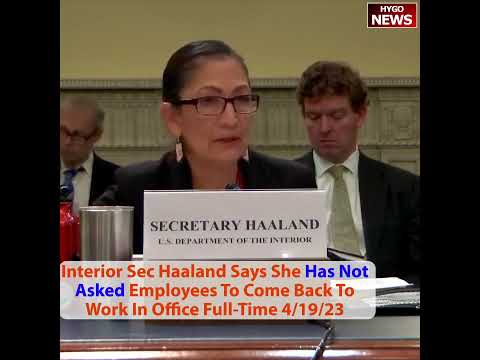
Interior Sec Deb Haaland Says She Has Not Asked Employees To Come Back To Work In Office Full-Time
A member of Congress challenged Interior Secretary Deb Haaland during April 2023 testimony about the Department’s response to President Biden’s signing of Rep. Paul Gosar’s bill ending the COVID-19 national emergency on April 10 — asking how soon after the signing Haaland ordered Interior headquarters employees back to work. Haaland admitted she had “not placed an order to tell everyone to come in, 9 to 5 Monday through Friday,” despite her own testimony about staffing shortages at her Department.
The National Emergency End
- April 10 signing: April 10 bill signing.
- Rep. Gosar bill: Rep. Paul Gosar’s bill.
- COVID emergency end: COVID emergency end.
- Legal status change: Legal status change.
- Administrative implication: Administrative implication.
The Timing Question
- Order timeline: Order timeline.
- Administrative action: Administrative action.
- Headquarters focus: Headquarters focus.
- Department response: Department response.
- Implementation tracking: Implementation tracking.
Haaland’s Admission
- “Not placed an order”: “Not placed an order.”
- Full-time absence: Full-time absence.
- 9-to-5 framing: 9-to-5 framing.
- Monday-Friday absence: Monday-Friday absence.
- Administrative inaction: Administrative inaction.
The Field Work Argument
- Field employees: Field employees.
- Public lands: Public lands work.
- Outdoor requirements: Outdoor requirements.
- Job description: Job description.
- Administrative defense: Administrative defense.
The Headquarters Specifics
- Headquarters employees: Headquarters employees.
- Office workers: Office workers.
- Administrative staff: Administrative staff.
- Central operations: Central operations.
- Specific focus: Specific focus.
The Teleworking Continuation
- “Several days”: “Several days out of the week.”
- Hybrid work: Hybrid work arrangement.
- Telework practice: Telework practice.
- Work flexibility: Work flexibility.
- Administrative policy: Administrative policy.
The Staffing Shortage
- Testimony contradiction: Testimony contradiction.
- Efficiency concerns: Efficiency concerns.
- Office vs. home: Office vs. home efficiency.
- Administrative burden: Administrative burden.
- Resource limitation: Resource limitation.
The Republican Logic
- Efficiency argument: Efficiency argument.
- Taxpayer interest: Taxpayer interest.
- Workplace presence: Workplace presence.
- Productive work: Productive work.
- Public service: Public service.
The Gosar Bill
- Representative action: Representative action.
- Congressional authority: Congressional authority.
- Bill passage: Bill passage.
- Legal framework: Legal framework.
- Administrative reform: Administrative reform.
The Federal Workplace Policy
- Telework evolution: Telework evolution.
- COVID accommodation: COVID accommodation.
- Post-emergency: Post-emergency framework.
- Federal practice: Federal practice.
- Management discretion: Management discretion.
The Administration Position
- Flexible workplace: Flexible workplace.
- Employee choice: Employee choice.
- Productivity assumption: Productivity assumption.
- Modern practice: Modern practice.
- Institutional reform: Institutional reform.
The Republican Critique
- Workplace standards: Workplace standards.
- Public servants: Public servant expectations.
- Taxpayer value: Taxpayer value.
- Efficiency concerns: Efficiency concerns.
- Accountability expectations: Accountability expectations.
The Policy Framework
- Federal Workforce: Federal Workforce policy.
- OPM guidance: OPM guidance.
- Agency discretion: Agency discretion.
- Employee rights: Employee rights.
- Public service: Public service.
The Interior Department Context
- Department size: Department size.
- Geographic distribution: Geographic distribution.
- Field operations: Field operations.
- Headquarters operations: Headquarters operations.
- Work variety: Work variety.
The Haaland Defense
- Work distinction: Work distinction.
- Field emphasis: Field emphasis.
- Hybrid acceptance: Hybrid acceptance.
- Administrative flexibility: Administrative flexibility.
- Management approach: Management approach.
The Oversight Dynamics
- Committee questioning: Committee questioning.
- Professional examination: Professional examination.
- Policy review: Policy review.
- Administrative accountability: Administrative accountability.
- Democratic function: Democratic function.
The Political Dimension
- Remote work debate: Remote work debate.
- Government efficiency: Government efficiency.
- Taxpayer interest: Taxpayer interest.
- Union considerations: Union considerations.
- Electoral positioning: Electoral positioning.
The Productivity Questions
- Office presence: Office presence.
- Collaboration benefits: Collaboration benefits.
- Remote effectiveness: Remote effectiveness.
- Team dynamics: Team dynamics.
- Mission accomplishment: Mission accomplishment.
The Federal Workforce Debate
- Return-to-office push: Return-to-office push.
- Union resistance: Union resistance.
- Management flexibility: Management flexibility.
- Productivity metrics: Productivity metrics.
- Policy evolution: Policy evolution.
The Administrative Discretion
- Agency authority: Agency authority.
- Policy implementation: Policy implementation.
- Employee relations: Employee relations.
- Management practice: Management practice.
- Institutional culture: Institutional culture.
The Broader Context
- Private sector: Private sector trends.
- Federal employment: Federal employment.
- Economic impact: Economic impact.
- Commercial real estate: Commercial real estate.
- Urban economies: Urban economies.
Key Takeaways
- Interior Sec. Haaland admitted she had not ordered employees back to full-time office work.
- The question came after Biden signed Rep. Gosar’s bill ending COVID-19 national emergency April 10.
- Haaland said she had not placed order for “9 to 5 Monday through Friday” attendance.
- She noted many employees work in field on public lands.
- A member noted her own testimony about short staffing suggested office work would be more efficient.
- The exchange reflected ongoing federal workforce return-to-office debate.
Transcript Highlights
The following quotations are drawn from an AI-generated Whisper transcript of the hearing and should be considered unverified pending official transcript release.
- “On April the 10th, President Biden signed Representative Gosar’s bill ending the COVID-19 national emergency. Secretary, how soon after he signed that bill did you order all of the Department of Interior headquarters employees back into the office?” — Member framing
- “A lot of our employees work out in the field. That’s their jobs to be on our public lands.” — Secretary Haaland
- “The ones that are in the headquarters though, have they been ordered back into the office?” — Member follow-up
- “There’s still some members of our team who are working, or tell a working, several days out of the week.” — Secretary Haaland
- “I have not placed an order to tell everyone to come in, 9 to 5 Monday through Friday.” — Secretary Haaland
- “Most of your testimony in days down by how short staffed you are, I would think they would be more efficient working from the office in the headquarters instead of from the house.” — Member framing
Full transcript: 169 words transcribed via Whisper AI.