 HYGO News
 Interior Sec. Deb Haaland Left Stunned As Rep. Pete Stauber BLASTS Her For Lying Under Oath
By HYGO News
Published
· Updated
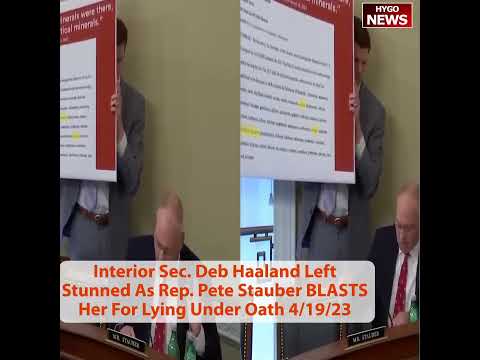
Interior Sec. Deb Haaland Left Stunned As Rep. Pete Stauber BLASTS Her For Lying Under Oath
Rep. Pete Stauber (R-Minn.) continued his pointed April 2023 interrogation of Interior Secretary Deb Haaland with a devastating correction — quoting her earlier claim that “I don’t know what kind of minerals were there. I don’t think they were critical minerals,” before revealing those minerals banned from mining included nickel. Stauber also forced Haaland to admit her prior under-oath statement about the “boundary waters” was wrong; she corrected to “boundary waters watershed” area — a significant technical distinction.
The Minerals Knowledge Gap
- Haaland’s quote: Haaland’s prior testimony quote.
- “Don’t know” minerals: Claimed not to know minerals.
- Critical minerals denial: Critical minerals denial.
- Factual challenge: Factual challenge.
- Professional embarrassment: Professional embarrassment.
The Nickel Revelation
- Nickel identification: Nickel specifically identified.
- Critical mineral status: Critical mineral status.
- Strategic importance: Strategic importance.
- Professional knowledge: Professional knowledge expectation.
- Substantive correction: Substantive correction.
The Stauber Authority
- “Works, lives and recreates”: “Works, lives and recreates” there.
- Representative authority: Representative authority.
- Constituency knowledge: Constituency knowledge.
- Regional expertise: Regional expertise.
- Personal stake: Personal stake.
The “Unbelievable” Framing
- Strong reaction: Strong reaction.
- Professional shock: Professional shock.
- Knowledge gap: Knowledge gap critique.
- Accountability pursuit: Accountability pursuit.
- Public theater: Public theater.
The Watershed Correction
- “Boundary waters watershed”: “Boundary waters watershed.”
- Technical distinction: Technical distinction.
- Correction admission: Correction admission.
- Professional correction: Professional correction.
- Legal implications: Legal implications.
The Admission Sequence
- Document recognition: Document recognition.
- Pattern admission: Pattern admission.
- Apology implied: Apology implied.
- Correction acknowledgment: Correction acknowledgment.
- Professional humility: Professional humility.
The Superior National Forest
- Forest location: Forest location.
- Mineral resources: Mineral resources.
- Withdrawal action: Withdrawal action.
- Administrative decision: Administrative decision.
- Constituent impact: Constituent impact.
The Constituency Impact
- Minnesota impact: Minnesota impact.
- Regional employment: Regional employment.
- Economic implications: Economic implications.
- Community impact: Community impact.
- Political significance: Political significance.
The Critical Minerals Debate
- Nickel importance: Nickel importance.
- Battery production: Battery production.
- Electric vehicles: Electric vehicles.
- Strategic resources: Strategic resources.
- Supply chain: Supply chain security.
The Administrative Decision
- Mineral withdrawal: Mineral withdrawal.
- Policy action: Policy action.
- Administrative reach: Administrative reach.
- Legal authority: Legal authority.
- Professional decision: Professional decision.
The Political Context
- Environmental vs. industrial: Environmental vs. industrial.
- Regional politics: Regional politics.
- Party dynamics: Party dynamics.
- Policy priorities: Policy priorities.
- Electoral implications: Electoral implications.
The Professional Standards
- Cabinet knowledge: Cabinet knowledge expectation.
- Policy awareness: Policy awareness.
- Decision understanding: Decision understanding.
- Professional competence: Professional competence.
- Institutional integrity: Institutional integrity.
The Truth Hierarchy
- Technical accuracy: Technical accuracy.
- Professional responsibility: Professional responsibility.
- Oath obligations: Oath obligations.
- Institutional standards: Institutional standards.
- Democratic accountability: Democratic accountability.
The Congressional Theater
- Hearing dynamics: Hearing dynamics.
- Political theater: Political theater.
- Substantive oversight: Substantive oversight.
- Democratic function: Democratic function.
- Media attention: Media attention.
The Resource Management
- Federal lands: Federal lands management.
- Mineral rights: Mineral rights.
- Land use policy: Land use policy.
- Environmental protection: Environmental protection.
- Economic considerations: Economic considerations.
The Resources Policy
- National interests: National interests.
- Supply security: Supply security.
- Economic development: Economic development.
- Environmental protection: Environmental protection.
- Policy balance: Policy balance.
The Haaland Role
- Interior Secretary: Interior Secretary.
- Cabinet position: Cabinet position.
- Policy authority: Policy authority.
- Institutional responsibility: Institutional responsibility.
- Political appointee: Political appointee.
The Mineral Inventory
- Geological knowledge: Geological knowledge.
- Resource mapping: Resource mapping.
- Critical minerals list: Critical minerals list.
- Strategic planning: Strategic planning.
- Economic development: Economic development.
The Stauber Strategy
- Methodical approach: Methodical approach.
- Document presentation: Document presentation.
- Direct quotation: Direct quotation.
- Professional preparation: Professional preparation.
- Effective technique: Effective technique.
The Haaland Response
- Limited corrections: Limited corrections.
- Defensive posture: Defensive posture.
- Professional humility: Professional humility.
- Time constraints: Time constraints.
- Administrative defense: Administrative defense.
The Institutional Impact
- Cabinet accountability: Cabinet accountability.
- Department credibility: Department credibility.
- Policy effectiveness: Policy effectiveness.
- Professional standards: Professional standards.
- Democratic norms: Democratic norms.
Key Takeaways
- Rep. Stauber caught Haaland’s earlier claim that she didn’t know minerals in forest weren’t critical.
- He revealed the banned minerals included nickel — a critical strategic mineral.
- Stauber forced Haaland to correct her “boundary waters” statement to “boundary waters watershed area.”
- The correction admitted her previous under-oath statement was inaccurate.
- Stauber’s authority as representing the affected constituents added weight to criticism.
- The exchange revealed significant gaps in Haaland’s knowledge of Interior Department decisions.
Transcript Highlights
The following quotations are drawn from an AI-generated Whisper transcript of the hearing and should be considered unverified pending official transcript release.
- “I don’t know what kind of minerals were there. I don’t think they were critical minerals.” — Secretary Haaland, as quoted by Rep. Stauber
- “As someone who works, lives and recreates there, and as someone who has the privilege of representing the people that live there, let me tell you, those minerals include that you banned include nickel.” — Rep. Stauber
- “Don’t think they were critical minerals. That’s unbelievable.” — Rep. Stauber
- “Secretary Halland, you claim the withdrawal that you forced upon my constituentress is in the boundary waters. That’s wrong. Do you now understand?” — Rep. Stauber
- “Congressman, I should have said that it was the boundary waters watershed.” — Secretary Haaland
- “Watershed area. Madam Secretary, I only have so much time.” — Rep. Stauber
Full transcript: 149 words transcribed via Whisper AI.