 HYGO News
 Dem: 2-Way Street, Both Ways Kennedy: But Study After Study, People Leaving High-Tax States
By HYGO News
Published
· Updated
Dem: 2-Way Street, Both Ways Kennedy: But Study After Study, People Leaving High-Tax States
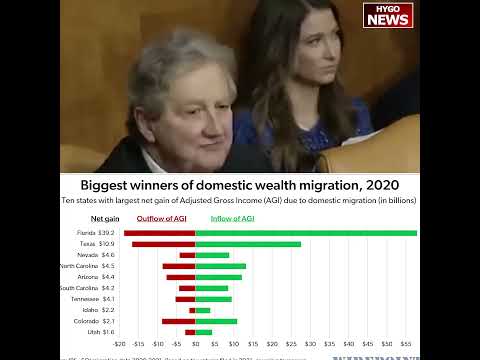
Sen. Sheldon Whitehouse (D-R.I.) pushed back on Sen. John Kennedy’s tax-migration narrative during May 2023 congressional testimony, arguing migration was “a two-way street” between high- and low-tax states. Kennedy countered with “study after study after study” showing people leaving high-tax states and moving to low-tax states, citing the comparison between nine states without state income tax and those with income tax, calling it “tax avoidance” that is “perfectly legal.”
The Whitehouse Framework
- “Two-way street”: “Two-way street” framing.
- Bidirectional flow: Bidirectional flow.
- Balanced migration: Balanced migration argument.
- Complexity emphasis: Complexity emphasis.
- Democratic defense: Democratic defense.
The Kennedy Rebuttal
- “Study after study”: “Study after study after study.”
- Empirical evidence: Empirical evidence.
- Professional research: Professional research.
- Factual basis: Factual basis.
- Substantive argument: Substantive argument.
The “Demographics” Test
- Population data: Population data.
- State comparisons: State comparisons.
- Empirical analysis: Empirical analysis.
- Measurable outcomes: Measurable outcomes.
- Professional methodology: Professional methodology.
The State Income Tax
- Nine no-income-tax states: Nine no-income-tax states.
- Tax comparison: Tax comparison.
- Demographic analysis: Demographic analysis.
- Economic comparison: Economic comparison.
- Policy contrast: Policy contrast.
The “Tax Avoidance”
- Legal framework: Legal framework.
- Professional term: Professional term.
- Economic behavior: Economic behavior.
- Legal tax planning: Legal tax planning.
- Policy response: Policy response.
The Dueling Positions
- Democratic framing: Democratic framing.
- Republican framing: Republican framing.
- Substantive disagreement: Substantive disagreement.
- Evidence dispute: Evidence dispute.
- Policy implications: Policy implications.
The Empirical Basis
- Research volume: Research volume.
- Study accumulation: Study accumulation.
- Professional methodology: Professional methodology.
- Evidence standards: Evidence standards.
- Academic consensus: Academic consensus.
The Texas-California Context
- Interstate migration: Interstate migration.
- Tech industry: Tech industry relocation.
- Business climate: Business climate.
- Economic development: Economic development.
- Regional competition: Regional competition.
The Tiebout Theory
- Classical economics: Classical economics.
- Tax competition: Tax competition.
- Voter mobility: Voter mobility.
- Local public goods: Local public goods.
- Economic theory: Economic theory.
The Kennedy’s Knowledge
- “As you well know”: “As you well know.”
- “Professor knows”: “Professor knows.”
- Professional expertise: Professional expertise.
- Academic standards: Academic standards.
- Public acknowledgment: Public acknowledgment.
The Whitehouse Defense
- Complexity acknowledgment: Complexity acknowledgment.
- Bidirectional flow: Bidirectional flow.
- Multiple factors: Multiple factors.
- Professional nuance: Professional nuance.
- Democratic position: Democratic position.
The Legality Framework
- Legal tax planning: Legal tax planning.
- Economic optimization: Economic optimization.
- Individual rights: Individual rights.
- Professional standards: Professional standards.
- Policy response: Policy response.
The State Competitiveness
- Policy variation: Policy variation.
- Economic incentives: Economic incentives.
- Business attraction: Business attraction.
- Population retention: Population retention.
- Fiscal competition: Fiscal competition.
The Migration Studies
- Academic research: Academic research.
- Empirical analysis: Empirical analysis.
- Data collection: Data collection.
- Professional methodology: Professional methodology.
- Peer review: Peer review.
The Income Tax Analysis
- Alaska: Alaska.
- Florida: Florida.
- Nevada: Nevada.
- South Dakota: South Dakota.
- Tennessee: Tennessee.
- Texas: Texas.
- Washington: Washington.
- Wyoming: Wyoming.
- New Hampshire: New Hampshire.
The High-Tax States
- California: California.
- New York: New York.
- New Jersey: New Jersey.
- Connecticut: Connecticut.
- Illinois: Illinois.
- Massachusetts: Massachusetts.
- Oregon: Oregon.
- Minnesota: Minnesota.
- Hawaii: Hawaii.
The Behavioral Response
- Migration decisions: Migration decisions.
- Individual choice: Individual choice.
- Economic rationality: Economic rationality.
- Tax optimization: Tax optimization.
- Policy response: Policy response.
The Policy Implications
- Tax policy: Tax policy.
- State competition: State competition.
- Federal policy: Federal policy.
- Economic development: Economic development.
- Fiscal sustainability: Fiscal sustainability.
The Political Disagreement
- Republican position: Republican position.
- Democratic position: Democratic position.
- Policy debate: Policy debate.
- Electoral implications: Electoral implications.
- Public discourse: Public discourse.
The Economic Theory
- Marginal analysis: Marginal analysis.
- Elasticity: Elasticity of response.
- Tax incidence: Tax incidence.
- Behavioral economics: Behavioral economics.
- Policy analysis: Policy analysis.
The Professional Standards
- Academic research: Academic research.
- Empirical evidence: Empirical evidence.
- Data integrity: Data integrity.
- Professional analysis: Professional analysis.
- Policy evaluation: Policy evaluation.
The Historical Context
- Migration patterns: Migration patterns.
- Tax policy evolution: Tax policy evolution.
- State competition: State competition.
- Economic development: Economic development.
- Policy history: Policy history.
The Political Framework
- Red-blue divide: Red-blue divide.
- Policy philosophy: Policy philosophy.
- Economic ideology: Economic ideology.
- Electoral implications: Electoral implications.
- Party positioning: Party positioning.
The Congressional Debate
- Committee proceedings: Committee proceedings.
- Professional hearing: Professional hearing.
- Substantive exchange: Substantive exchange.
- Democratic function: Democratic function.
- Policy oversight: Policy oversight.
Key Takeaways
- Sen. Whitehouse argued migration is “a two-way street” between high- and low-tax states.
- Sen. Kennedy countered with “study after study after study” on high-tax state departures.
- Kennedy cited demographic comparisons between nine no-income-tax states and income-tax states.
- He called the phenomenon “tax avoidance” that is “perfectly legal.”
- The exchange exposed fundamental Democratic-Republican divide on tax-migration theory.
- Both acknowledged the debate would not resolve differences.
Transcript Highlights
The following quotations are drawn from an AI-generated Whisper transcript of the hearing and should be considered unverified pending official transcript release.
- “To be fair, there also are people moving the other way. There are people who move to New York.” — Sen. Whitehouse
- “It’s a two-way street in and out of New York, and it’s a two-way street between Austin and California.” — Sen. Whitehouse
- “People leave Texas and go to California, and some of them do very well.” — Sen. Whitehouse
- “I can show you study after study after study, as you well know, and as the professor knows, it shows that people are leaving high-tech states and moving to low-tech states.” — Sen. Kennedy
- “Pick the nine states that have, say, a state income tax and compare that… that don’t have a state income tax and compare that to the states that do.” — Sen. Kennedy
- “It’s called tax avoidance, and there’s nothing wrong with it. It’s perfectly legal.” — Sen. Kennedy
Full transcript: 148 words transcribed via Whisper AI.