 HYGO News
 Clausing: Different Preferences. Migrants Choose Same Places. Kennedy: Rational People
By HYGO News
Published
· Updated
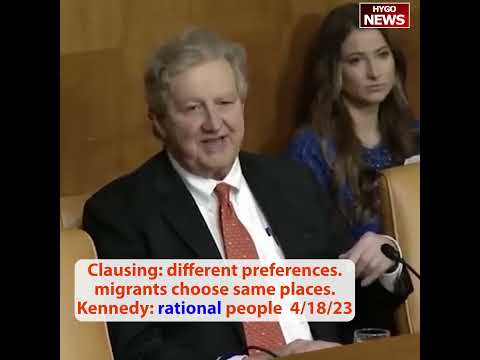
Clausing: Different Preferences. Migrants Choose Same Places. Kennedy: Rational People
Sen. John Kennedy (R-La.) deployed a clever rhetorical device during May 2023 congressional testimony, asking if Sen. Sheldon Whitehouse would consider moving to Florida if he won a $10 million lottery and paid his taxes, with $6 million left. Witness Clausing argued “people have different preferences” and that immigrants often choose the same places that high-income earners allegedly leave — highlighting complexity in migration patterns beyond simple tax optimization theory.
The Clausing Framework
- “Different preferences”: “Different preferences.”
- Migrant preferences: Immigrant preferences.
- “Same places”: “Same places” as departures.
- Multi-directional flow: Multi-directional flow.
- Complexity argument: Complexity argument.
The Immigrant Evidence
- NYC destination: NYC destination.
- LA destination: LA destination.
- High-tax cities: High-tax cities.
- Opportunity centers: Opportunity centers.
- Economic clusters: Economic clusters.
The Kennedy Lottery
- $10 million lottery: $10 million lottery example.
- $6 million after-tax: $6 million after-tax.
- Rhetorical device: Rhetorical device.
- Personal example: Personal example.
- Hypothetical question: Hypothetical question.
The Whitehouse Response
- “Never cross my mind”: “Never cross my mind.”
- Personal integrity: Personal integrity.
- Political conviction: Political conviction.
- Individual choice: Individual choice.
- State loyalty: State loyalty.
The Kennedy Framework
- “Rational economic move”: “Rational economic move.”
- 6% vs 0%: 6% vs 0% comparison.
- Economic optimization: Economic optimization.
- Professional analysis: Professional analysis.
- Policy implications: Policy implications.
The Tax Analysis
- State income tax: State income tax.
- Marginal rate: Marginal rate.
- Tax liability: Tax liability.
- Opportunity cost: Opportunity cost.
- Economic behavior: Economic behavior.
The Rhetorical Strategy
- Personal hypothetical: Personal hypothetical.
- Political theater: Political theater.
- Democratic engagement: Democratic engagement.
- Effective framing: Effective framing.
- Concrete example: Concrete example.
The Policy Implications
- Tax policy: Tax policy.
- State competition: State competition.
- Federal policy: Federal policy.
- Economic development: Economic development.
- Policy reform: Policy reform.
The “Rational” Standard
- Economic rationality: Economic rationality.
- Individual choice: Individual choice.
- Cost-benefit analysis: Cost-benefit analysis.
- Behavioral economics: Behavioral economics.
- Policy response: Policy response.
The Bipartisan Engagement
- Whitehouse participation: Whitehouse participation.
- Kennedy question: Kennedy question.
- Committee dynamics: Committee dynamics.
- Professional exchange: Professional exchange.
- Democratic function: Democratic function.
The Immigration Factor
- Foreign immigrants: Foreign immigrants.
- Domestic migrants: Domestic migrants.
- Different motivations: Different motivations.
- Economic drivers: Economic drivers.
- Policy considerations: Policy considerations.
The Classical Economics
- Behavioral response: Behavioral response.
- Marginal analysis: Marginal analysis.
- Rational choice: Rational choice.
- Economic theory: Economic theory.
- Policy implications: Policy implications.
The State Tax Differences
- Income tax variations: Income tax variations.
- State revenue: State revenue.
- Public services: Public services.
- Economic development: Economic development.
- Policy choices: Policy choices.
The Florida Reference
- No state income tax: No state income tax.
- Retirement destination: Retirement destination.
- Business friendly: Business friendly.
- Migration destination: Migration destination.
- Economic development: Economic development.
The Research Evidence
- Academic studies: Academic studies.
- Migration research: Migration research.
- Empirical evidence: Empirical evidence.
- Professional analysis: Professional analysis.
- Policy implications: Policy implications.
The Professional Discourse
- Respectful exchange: Respectful exchange.
- Substantive debate: Substantive debate.
- Academic standards: Academic standards.
- Democratic function: Democratic function.
- Public education: Public education.
The Personal Decision
- Individual choice: Individual choice.
- Personal values: Personal values.
- Economic rationality: Economic rationality.
- State loyalty: State loyalty.
- Political conviction: Political conviction.
The Economic Theory
- Rational choice: Rational choice.
- Behavioral economics: Behavioral economics.
- Policy analysis: Policy analysis.
- Tax incidence: Tax incidence.
- Economic migration: Economic migration.
The Political Context
- Republican critique: Republican critique.
- Democratic defense: Democratic defense.
- Policy debate: Policy debate.
- Electoral implications: Electoral implications.
- Public discourse: Public discourse.
The Liquidity Factor
- “When you’re liquid”: “When you’re liquid.”
- Cash positions: Cash positions.
- Investment decisions: Investment decisions.
- Mobile assets: Mobile assets.
- Economic flexibility: Economic flexibility.
The Whitehouse Pushback
- Political position: Political position.
- Professional response: Professional response.
- Public statement: Public statement.
- Democratic discourse: Democratic discourse.
- Policy defense: Policy defense.
The Kennedy Style
- Folksy humor: Folksy humor.
- Practical example: Practical example.
- Political theater: Political theater.
- Effective framing: Effective framing.
- Memorable rhetoric: Memorable rhetoric.
The Committee Dynamics
- Senator exchange: Senator exchange.
- Witness response: Witness response.
- Professional forum: Professional forum.
- Democratic oversight: Democratic oversight.
- Public discourse: Public discourse.
The Policy Framework
- Tax structure: Tax structure.
- State competition: State competition.
- Federal policy: Federal policy.
- Economic development: Economic development.
- Policy reform: Policy reform.
Key Takeaways
- Sen. Kennedy asked Sen. Whitehouse if he would move to Florida after $10M lottery win.
- Whitehouse said the idea would “never cross my mind.”
- Clausing argued “people have different preferences” about where to live.
- She noted immigrants often choose the same high-tax cities for opportunities.
- Kennedy characterized moving to avoid 6% state income tax as “rational economic move.”
- The exchange blended policy analysis with personal hypotheticals.
Transcript Highlights
The following quotations are drawn from an AI-generated Whisper transcript of the hearing and should be considered unverified pending official transcript release.
- “People have different preferences, you know, if you look at where immigrants choose to live in the United States They often go to those same places that you were talking about.” — Clausing
- “Here’s what I think rational people do and here’s what I bet all three of you would do and I bet Sharon would do I mean Sheldon would do it because he’s a smart guy.” — Sen. Kennedy
- “If he won the lottery tomorrow and One ten million dollars and paid his taxes and has six million dollars left He’s gonna at least consider You are to moving to Florida.” — Sen. Kennedy
- “No, I have a state income tax for the record. No, I wouldn’t never cross my mind.” — Sen. Whitehouse
- “Well, most rational well, I don’t mean your” — Sen. Kennedy
- “When you’re liquid and you don’t have to pay six percent off the top versus zero percent. It’s a rational economic move. Is it not?” — Sen. Kennedy
Full transcript: 185 words transcribed via Whisper AI.