 HYGO News
 Bill Reduce Deficit Spending, Save Taxpayers $4.8T, Returning To Same Spending Levels 4 Months Ago
By HYGO News
Published
· Updated
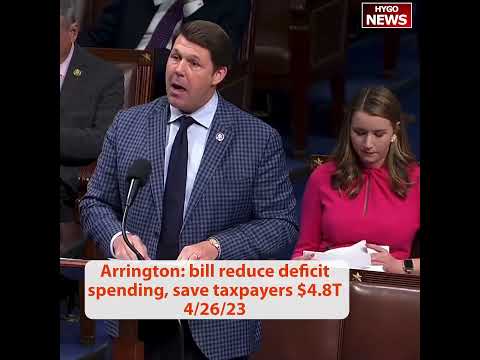
Bill Reduce Deficit Spending, Save Taxpayers $4.8T, Returning To Same Spending Levels 4 Months Ago
A Republican House member defended the Limit, Save, Grow Act during April 2023 House floor debate, arguing it would “reduce deficit spending, save taxpayers $4.8 trillion” by reducing discretionary spending by 9% — returning to the same levels from “just four months ago.” The member framed the $130 billion cut as modest restoration of fiscal discipline with a 1% annual growth cap reducing “wasteful Washington spending by over $3 trillion.”
The $4.8 Trillion Framework
- Deficit reduction: Deficit reduction claim.
- Taxpayer savings: Taxpayer savings.
- 10-year framework: 10-year framework.
- Fiscal projection: Fiscal projection.
- Political messaging: Political messaging.
The 9% Reduction
- FY24 discretionary: FY24 discretionary spending.
- $130 billion cut: $130 billion cut.
- Specific percentage: Specific percentage.
- Implementation details: Implementation details.
- Fiscal precision: Fiscal precision.
The Four Months Framing
- Minimal adjustment: Minimal adjustment.
- Recent levels: Recent spending levels.
- Political framing: Political framing.
- Contextual comparison: Contextual comparison.
- Reasonableness claim: Reasonableness claim.
The 1% Growth Cap
- Annual growth limit: Annual growth limit.
- 10-year projection: 10-year projection.
- $3 trillion savings: $3 trillion savings.
- Fiscal discipline: Fiscal discipline.
- Long-term framework: Long-term framework.
The Bureaucracy Focus
- Right-sizing: Right-sizing bureaucracy.
- Federal workforce: Federal workforce.
- Administrative reform: Administrative reform.
- Waste reduction: Waste reduction.
- Republican priority: Republican priority.
The Biden Spending Critique
- “Spending-induced inflation”: “Spending-induced inflation.”
- Causation framing: Causation framing.
- Economic responsibility: Economic responsibility.
- Policy consequences: Policy consequences.
- Administrative blame: Administrative blame.
The Cost of Living
- Inflation crisis: Inflation crisis.
- Family budgets: Family budgets.
- American hardship: American hardship.
- Policy remedy: Policy remedy.
- Political messaging: Political messaging.
The American Experience
- Household budgets: Household budgets.
- Belt-tightening: Belt-tightening.
- Practical adjustments: Practical adjustments.
- Economic reality: Economic reality.
- Political resonance: Political resonance.
The Republican Position
- Fiscal responsibility: Fiscal responsibility.
- Limited government: Limited government.
- Economic policy: Economic policy.
- Party platform: Party platform.
- Electoral positioning: Electoral positioning.
The Legislative Framework
- Limit Save Grow Act: Limit, Save, Grow Act.
- House bill: House bill.
- Republican priority: Republican priority.
- Policy package: Policy package.
- Debt ceiling linkage: Debt ceiling linkage.
The Democratic Opposition
- Biden veto: Biden veto threat.
- Senate opposition: Senate opposition.
- Democratic unity: Democratic unity.
- Policy objections: Policy objections.
- Political messaging: Political messaging.
The Fiscal Analysis
- CBO scoring: CBO scoring.
- Budget projections: Budget projections.
- Deficit impact: Deficit impact.
- Economic effects: Economic effects.
- Long-term consequences: Long-term consequences.
The Political Strategy
- Messaging framework: Messaging framework.
- Budget discipline: Budget discipline.
- Economic critique: Economic critique.
- Administrative blame: Administrative blame.
- Electoral positioning: Electoral positioning.
The Economic Context
- Inflation reality: Inflation reality.
- Interest rates: Interest rates.
- Economic indicators: Economic indicators.
- Global economy: Global economy.
- Market implications: Market implications.
The Budget Process
- Appropriations: Appropriations process.
- Committee jurisdiction: Committee jurisdiction.
- Floor procedures: Floor procedures.
- Conference negotiations: Conference negotiations.
- Executive approval: Executive approval.
The Congressional Dynamics
- House Republican: House Republican majority.
- Senate Democratic: Senate Democratic majority.
- Divided government: Divided government.
- Compromise requirements: Compromise requirements.
- Procedural complexity: Procedural complexity.
The Public Messaging
- Republican framing: Republican framing.
- Democratic response: Democratic response.
- Media coverage: Media coverage.
- Public perception: Public perception.
- Polling implications: Polling implications.
The Historical Context
- Previous budgets: Previous budgets.
- Spending trends: Spending trends.
- Political patterns: Political patterns.
- Resolution history: Resolution history.
- Democratic tradition: Democratic tradition.
The Economic Stakes
- Market implications: Market implications.
- Consumer concerns: Consumer concerns.
- Business community: Business community.
- International impact: International impact.
- Global economy: Global economy.
The Political Calculation
- Polling considerations: Polling considerations.
- Electoral implications: Electoral implications.
- Base mobilization: Base mobilization.
- Independent appeal: Independent appeal.
- Campaign messaging: Campaign messaging.
The Family Budget Framework
- Personal finance: Personal finance.
- Household economics: Household economics.
- Inflation impact: Inflation impact.
- Real-world experience: Real-world experience.
- Relatable messaging: Relatable messaging.
The Administrative Reform
- Federal workforce: Federal workforce.
- Bureaucracy size: Bureaucracy size.
- Government efficiency: Government efficiency.
- Taxpayer value: Taxpayer value.
- Policy reform: Policy reform.
The Fiscal Future
- Budget trajectory: Budget trajectory.
- Debt projections: Debt projections.
- Economic sustainability: Economic sustainability.
- Future generations: Future generations.
- Long-term planning: Long-term planning.
Key Takeaways
- A Republican House member defended the Limit, Save, Grow Act’s $4.8 trillion savings claim.
- The bill proposes 9% discretionary spending reduction ($130 billion).
- Cuts would return spending to levels from “just four months ago.”
- 1% annual growth cap for next 10 years projected to save “$3 trillion.”
- Framed as requiring Washington to do what Americans have been forced to do due to inflation.
- Biden’s spending blamed for creating “spending-induced inflation.”
Transcript Highlights
The following quotations are drawn from an AI-generated Whisper transcript of the floor debate and should be considered unverified pending official transcript release.
- “Our plan will reduce deficit spending, save taxpayers $4.8 trillion, and begin extinguishing the flames of our current cost of living crisis.” — Republican member
- “Our bill will reduce FY24 discretionary spending levels by 9%, $130 billion, returning us to the same spending levels we were operating under just four months ago.” — Republican member
- “Going forward, we will cap the growth of discretionary spending by 1% annually over the next 10 years, reducing wasteful Washington spending by over $3 trillion.” — Republican member
- “First, we limit federal spending by reining in and right sizing the federal bureaucracy.” — Republican member
- “This bill would require Washington to do what every American has been forced to do as a result of Biden’s spending-induced inflation.” — Republican member
- “Mr. Speaker put simply, this bill would require Washington to do what every American has been forced to do.” — Republican member
Full transcript: 115 words transcribed via Whisper AI.