 HYGO News
 Your Statement Under Oath Is False! Sec Haaland Called Out By Rep. Stauber For Lying Under Oath
By HYGO News
Published
· Updated
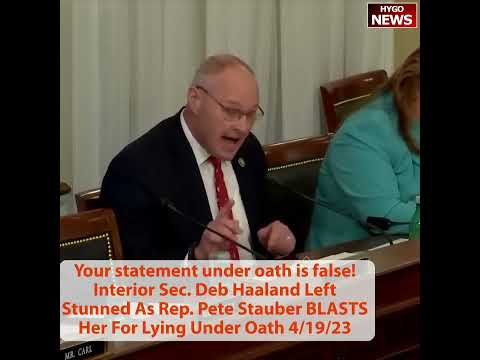
Your Statement Under Oath Is False! Sec Haaland Called Out By Rep. Stauber For Lying Under Oath
Rep. Pete Stauber (R-Minn.) confronted Interior Secretary Deb Haaland during April 2023 congressional testimony with direct accusations that her statement under oath was false — specifically her claim that “we did a mineral withdrawal in the boundary waters.” Stauber pointed out “there is no mining in the wilderness area” and “no mining in the surrounding buffer zone either,” making her oath statement factually incorrect by Stauber’s accounting.
The Direct Confrontation
- Under-oath accusation: Under-oath accusation.
- False statement charge: False statement charge.
- Direct confrontation: Direct confrontation.
- Accountability pursuit: Accountability pursuit.
- Professional challenge: Professional challenge.
The Mineral Withdrawal Claim
- Haaland quote: Haaland quote from testimony.
- Boundary waters: Boundary waters reference.
- Policy action: Policy action claim.
- Administrative decision: Administrative decision.
- Historical context: Historical context.
The Mining Reality
- No mining wilderness: No mining in wilderness area.
- Buffer zone absence: Buffer zone mining absence.
- Factual precision: Factual precision.
- Geographic reality: Geographic reality.
- Stauber’s evidence: Stauber’s evidence.
The 1978 Act Context
- Boundary waters legislation: Boundary waters legislation.
- Historical protections: Historical protections.
- Wilderness preservation: Wilderness preservation.
- Statutory framework: Statutory framework.
- Institutional knowledge: Institutional knowledge.
The Stauber Interruption
- Interruption technique: Interruption technique.
- Professional assertiveness: Professional assertiveness.
- Question redirection: Question redirection.
- Time management: Time management.
- Political theater: Political theater elements.
The Haaland Defense
- “We made a decision”: “We made a decision.”
- Administrative action: Administrative action.
- Institutional authority: Institutional authority.
- Professional response: Professional response.
- Limited response: Limited response.
The Former Congress Member
- Institutional memory: Institutional memory.
- Professional background: Professional background.
- Committee service: Committee service.
- Historical knowledge: Historical knowledge.
- Professional expectation: Professional expectation.
The Boundary Waters
- Minnesota location: Minnesota location.
- Wilderness designation: Wilderness designation.
- Protected status: Protected status.
- Political significance: Political significance.
- Environmental importance: Environmental importance.
The Document Reference
- “Document behind me”: “Document behind me.”
- Visual evidence: Visual evidence.
- Documentation: Documentation presentation.
- Factual basis: Factual basis.
- Hearing exhibits: Hearing exhibits.
The Political Implications
- Congressional oversight: Congressional oversight.
- Cabinet accountability: Cabinet accountability.
- Party dynamics: Party dynamics.
- Electoral implications: Electoral implications.
- Media coverage: Media coverage.
The Interior Department
- Land management: Land management.
- Resource decisions: Resource decisions.
- Administrative actions: Administrative actions.
- Policy authority: Policy authority.
- Historical decisions: Historical decisions.
The Mining Context
- Minnesota mining: Minnesota mining history.
- Copper-nickel mining: Copper-nickel mining.
- Environmental concerns: Environmental concerns.
- Industrial interests: Industrial interests.
- Political dynamics: Political dynamics.
The Oath Implications
- Legal significance: Legal significance.
- Perjury potential: Perjury potential.
- Professional consequences: Professional consequences.
- Congressional response: Congressional response.
- Media attention: Media attention.
The Stauber Style
- Detailed preparation: Detailed preparation.
- Factual precision: Factual precision.
- Political theater: Political theater.
- Evidence-based: Evidence-based.
- Effective technique: Effective technique.
The Interior Secretary Role
- Cabinet position: Cabinet position.
- Policy authority: Policy authority.
- Resource management: Resource management.
- Political appointee: Political appointee.
- Professional standards: Professional standards.
The Political Controversy
- Mining disputes: Mining disputes.
- Environmental policy: Environmental policy.
- Regional politics: Regional politics.
- Economic interests: Economic interests.
- Cultural conflicts: Cultural conflicts.
The Truth Framework
- Factual accuracy: Factual accuracy.
- Official statements: Official statements.
- Professional standards: Professional standards.
- Institutional integrity: Institutional integrity.
- Democratic accountability: Democratic accountability.
The Hearing Dynamics
- Committee oversight: Committee oversight.
- Professional confrontation: Professional confrontation.
- Political theater: Political theater.
- Democratic norms: Democratic norms.
- Institutional respect: Institutional respect.
The Public Record
- Official testimony: Official testimony.
- Historical documentation: Historical documentation.
- Accountability basis: Accountability basis.
- Media coverage: Media coverage.
- Political memory: Political memory.
The Republican Strategy
- Administration accountability: Administration accountability.
- Factual challenges: Factual challenges.
- Political positioning: Political positioning.
- Media attention: Media attention.
- Electoral preparation: Electoral preparation.
The Consequences
- Reputation damage: Reputation damage.
- Political impact: Political impact.
- Legal considerations: Legal considerations.
- Institutional response: Institutional response.
- Historical record: Historical record.
Key Takeaways
- Rep. Stauber directly confronted Interior Secretary Haaland about false statement under oath.
- He challenged her claim that “we did a mineral withdrawal in the boundary waters.”
- Stauber documented “there is no mining in the wilderness area” and “no mining in the surrounding buffer zone.”
- He noted Haaland should have known about the 1978 Act as former Congress member.
- The direct under-oath accusation raised serious accountability concerns.
- Haaland’s limited defense relied on “we made a decision” framing.
Transcript Highlights
The following quotations are drawn from an AI-generated Whisper transcript of the hearing and should be considered unverified pending official transcript release.
- “You said in a quote, well, we did a mineral withdrawal in the boundary waters end quote.” — Rep. Stauber
- “Secretary Hallen, do you understand why this statement that you made under oath is false?” — Rep. Stauber
- “Congressman, it is my understanding that we made a decision in this area.” — Secretary Haaland
- “Madam Secretary, I have to interrupt you. Do you understand why the answer that you made under oath is false?” — Rep. Stauber
- “There is no mining in the wilderness area and there is no mining in the surrounding buffer zone either.” — Rep. Stauber
- “As the Secretary of the Interior and as a former member of Congress on this committee, you should have known there was never a proposal to mine in the boundary waters for the 1978 Act.” — Rep. Stauber
Full transcript: 137 words transcribed via Whisper AI.