 HYGO News
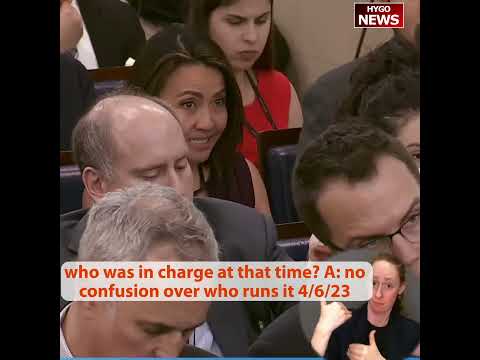
 Who Was In Charge At That Time? A: No Confusion Over Who Runs It
Who Was In Charge At That Time? A: No Confusion Over Who Runs It
A reporter pressed NSC spokesman John Kirby during an April 2023 White House briefing about whether the Afghanistan withdrawal review addressed the chain of command confusion between the military and State Department during the chaotic evacuation — a question sharpened by the iconic images of “planes falling off” and empty evacuation flights alongside crowded ones. Kirby flatly rejected the premise of the question, claiming there was no “confusion over who runs” the operation, in direct contradiction of widely documented reports of inter-agency confusion during the withdrawal.
The Chain of Command Question
- Military vs. State: Military vs. State Department jurisdiction.
- Analytical focus: Analysis focused on command clarity.
- Role disputes: Evacuation role disputes.
- Decision authority: Decision authority questions.
- Coordination failures: Coordination failure questions.
The Empty Planes Paradox
- Full vs. empty: Full and empty plane contrast.
- People falling: “Planes falling off” reference.
- Capacity utilization: Capacity utilization questions.
- Evacuee processing: Evacuee processing failures.
- Coordination evidence: Evidence of coordination failures.
Kirby’s Flat Denial
- Premise rejection: Premise rejection.
- “I actually don’t accept”: Direct language.
- No confusion claim: No confusion claim.
- Command clarity: Command clarity assertion.
- Contradictory position: Contradictory to reality.
The Documented Confusion
- Inter-agency issues: Inter-agency coordination issues.
- NEO authority: Non-Combatant Evacuation Operation authority.
- Dual command: Dual command challenges.
- Parallel structures: Parallel decision structures.
- Communication gaps: Communication gaps documented.
The Military Command
- CENTCOM authority: CENTCOM combatant command.
- 82nd Airborne: 82nd Airborne deployment.
- Security perimeter: Security perimeter responsibility.
- Kabul airport: Hamid Karzai Airport operations.
- Force protection: Force protection priority.
The State Department
- Diplomatic leadership: Diplomatic mission leadership.
- Evacuee processing: Evacuee processing.
- SIV coordination: Special Immigrant Visa coordination.
- Afghan allies: Afghan allies processing.
- Consular services: Consular services.
The Evacuation Complexity
- Multiple categories: Multiple evacuee categories.
- American citizens: American citizens priority.
- SIV holders: Special Immigrant Visa holders.
- Third-country nationals: Third-country nationals.
- Afghan allies: At-risk Afghan allies.
The Processing Challenges
- Document verification: Document verification delays.
- Security screening: Security screening requirements.
- Identity verification: Identity verification processes.
- Priority determination: Priority determination.
- Manifest management: Manifest management.
The “Planes Falling Off”
- Dramatic reference: Dramatic event reference.
- People clinging: People clinging to aircraft.
- Desperate scenes: Desperate scenes.
- Mid-air falls: Reports of mid-air falls.
- Iconic imagery: Iconic imagery.
The Full vs. Empty Planes
- Capacity utilization: Capacity utilization failures.
- Processing bottlenecks: Processing bottlenecks.
- Coordination lapses: Coordination lapses.
- Timing issues: Timing issues.
- Routing decisions: Routing decisions.
The Reporter Framing
- Substantive challenge: Substantive challenge.
- Specific details: Specific detail focus.
- Evidence-based: Evidence-based questioning.
- Documentation: Referenced documentation.
- Journalistic standards: Journalistic standards.
The Professional Military Assessment
- Military testimony: Military testimony.
- Chain of command: Chain of command clarity.
- Professional concerns: Professional concerns expressed.
- After-action reports: After-action reports.
- Lessons identified: Lessons identified.
The State Department Professional
- Diplomatic personnel: Diplomatic personnel.
- Embassy staff: Embassy staff evacuation.
- Visa processing: Visa processing.
- Consular assistance: Consular assistance.
- Coordination efforts: Coordination efforts.
The Political Messaging
- Denial strategy: Denial strategy approach.
- Institutional protection: Institutional protection.
- Reality confrontation: Reality confrontation.
- Message discipline: Message discipline.
- Public skepticism: Public skepticism.
The Command Structure Issues
- Unity of command: Unity of command principle.
- Joint operations: Joint operations complexity.
- Civilian-military: Civilian-military coordination.
- Inter-agency: Inter-agency cooperation.
- Crisis management: Crisis management.
The Historical Framework
- NEO doctrine: Non-Combatant Evacuation Operation doctrine.
- Military doctrine: Military doctrine applications.
- Diplomatic protocols: Diplomatic protocols.
- Crisis response: Crisis response frameworks.
- Precedent examples: Historical precedent examples.
The Witness Accounts
- Service member accounts: Service member accounts.
- Civilian accounts: Civilian official accounts.
- Evacuee testimony: Evacuee testimony.
- Media documentation: Media documentation.
- Congressional testimony: Congressional testimony.
The Accountability Implications
- Command accountability: Command accountability principles.
- Professional accountability: Professional accountability.
- Political accountability: Political accountability.
- Decision accountability: Decision accountability.
- Outcome accountability: Outcome accountability.
The Report’s Approach
- Process emphasis: Process emphasis.
- Individual immunity: Individual immunity.
- Systemic framing: Systemic framing.
- Institutional protection: Institutional protection.
- Accountability deflection: Accountability deflection.
Key Takeaways
- Reporter pressed Kirby on whether the review addressed chain of command confusion during withdrawal.
- Kirby flatly rejected “the premise of your question that there was some sort of confusion over who runs.”
- Reporter referenced empty evacuation planes, people falling off planes alongside full planes.
- Kirby’s denial contradicted widely documented reports of inter-agency confusion.
- The exchange highlighted questions about military vs. State Department evacuation authority.
- Kirby’s rejection suggested the report failed to address command structure questions.
Transcript Highlights
The following quotations are drawn from an AI-generated Whisper transcript of the briefing and should be considered unverified pending official transcript release.
- “I actually don’t accept the premise of your question that there was some sort of confusion over who runs.” — John Kirby
- “I understand your point about planes leaving full of people, but there are also planes that are empty and people falling off planes.” — Reporter framing
- “Is there anything in the review that addresses the problem of who was in charge at that time?” — Reporter question
- “There was a lot of analysis that questions whether it should have been the military who’s in charge of the evacuation versus the State Department.” — Reporter framing
- “That is partly the problem of the confusion.” — Reporter framing
- “There are also planes that are empty and people falling off planes.” — Reporter documentation
Full transcript: 97 words transcribed via Whisper AI.