 HYGO News
 WH Spox John Kirby Blames Afghans For The Billions Of Dollars Of U.S. Equipment Left In Afghanistan
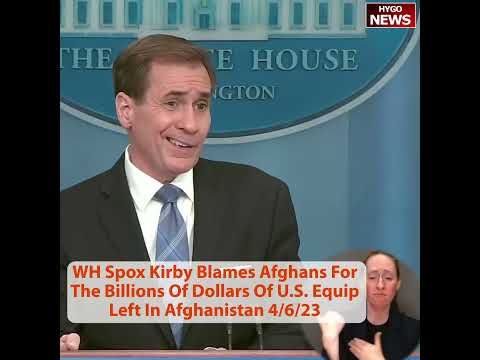
WH Spox John Kirby Blames Afghans For The Billions Of Dollars Of U.S. Equipment Left In Afghanistan
NSC spokesman John Kirby made a remarkable claim during an April 2023 White House briefing, shifting responsibility for the $7 billion in U.S. military hardware left behind in Afghanistan to the Afghans themselves, arguing “it was their equipment” since the material had been transferred to the Afghan military through “a very elaborate, deliberate, retrograde plan.” Kirby insisted there was “very little, and I mean very little, U.S.-owned equipment” left behind — claiming only “some forklifts at the airport and some ladder vehicles, some fire trucks.”
The $7 Billion Question
- $7 billion value: $7 billion in equipment.
- Military hardware: Military hardware and technology.
- Taliban acquisition: Taliban equipment acquisition.
- Strategic implications: Strategic implications.
- Accountability question: Accountability question.
The “It Was Their Equipment” Argument
- Afghan ownership: Afghan ownership claim.
- Transfer completion: Transfer completion.
- Legal framework: Legal framework.
- Ownership shift: Ownership shift argument.
- Political deflection: Political deflection.
Kirby’s “Very Little” Claim
- “Very little” emphasis: “Very little” emphasis.
- U.S.-owned equipment: U.S.-owned equipment.
- U.S.-operated equipment: U.S.-operated equipment.
- Airport-only focus: Airport-only focus.
- Limited categories: Limited equipment categories.
The Specific Items
- Forklifts: Airport forklifts.
- Ladder vehicles: Ladder vehicles.
- Fire trucks: Airport fire trucks.
- Minimal list: Deliberately minimal list.
- Airport specific: Airport-specific items.
The Retrograde Plan
- “Elaborate”: “Elaborate” retrograde plan.
- “Deliberate”: “Deliberate” planning.
- Military planning: Military planning emphasis.
- Transfer process: Transfer process.
- Turn-over protocol: Turn-over protocol.
The Afghan Military Transfer
- Equipment transfer: Equipment transfer to Afghan military.
- Capability building: Afghan capability building.
- 20-year investment: 20-year investment.
- Institution building: Institution building.
- Dissolved force: Subsequently dissolved force.
The Taliban Acquisition
- Seizure from Afghan: Seizure from Afghan forces.
- Operational capacity: Operational capacity gains.
- Intelligence value: Intelligence value.
- Prestige impact: Prestige impact.
- Regional implications: Regional implications.
The Equipment Categories
- Black Hawk helicopters: Black Hawk helicopters.
- Humvees: Humvees.
- Weapons: Various weapons.
- Night vision: Night vision equipment.
- Communications: Communications equipment.
- Drones: Drone technology.
The Responsibility Question
- Presidential responsibility: Presidential responsibility.
- Strategic planning: Strategic planning responsibility.
- Execution decisions: Execution decisions.
- Alternative options: Alternative options.
- Decision accountability: Decision accountability.
The “Taken Office in January” Context
- January 2021: January 2021 inauguration.
- August 2021: August 2021 withdrawal.
- 8-month window: 8-month decision window.
- Planning timeframe: Planning timeframe.
- Decision opportunity: Decision opportunity.
The Alternative Actions
- Equipment destruction: Equipment destruction option.
- Earlier withdrawal: Earlier equipment withdrawal.
- Transfer limitation: Transfer limitation option.
- Strategic retention: Strategic retention option.
- Different timing: Different timing options.
The Scale Minimization
- “Very little” framing: “Very little” framing.
- Specific small items: Specific small items listed.
- Context omission: Context omission.
- Definitional games: Definitional games.
- Political defense: Political defense.
The Afghan Forces Context
- 300,000 strong: 300,000 strong military.
- 20-year investment: 20-year investment.
- Rapid collapse: Rapid collapse.
- Training questions: Training questions.
- Motivation factors: Motivation factors.
The Bagram Base
- Strategic base: Strategic Bagram base.
- Equipment stored: Equipment stored.
- Transfer completion: Transfer completion.
- Abandoned condition: Abandoned condition.
- Strategic loss: Strategic loss.
The U.S. Taxpayer Interest
- Taxpayer investment: Taxpayer investment.
- Value considerations: Value considerations.
- Accountability expectations: Accountability expectations.
- Public interest: Public interest.
- Historical record: Historical record.
The Reporter’s Framing
- Direct responsibility: Direct responsibility question.
- Presidential accountability: Presidential accountability.
- Specific dollar figure: Specific dollar figure.
- Clear questioning: Clear questioning.
- Professional persistence: Professional persistence.
The Messaging Strategy
- Blame redirection: Blame redirection.
- Legal technicalities: Legal technicalities.
- Ownership claims: Ownership claims.
- Minimization language: Minimization language.
- Process defense: Process defense.
The Strategic Implications
- Taliban capabilities: Taliban capability gains.
- Regional balance: Regional balance shifts.
- International prestige: International prestige impact.
- Strategic signaling: Strategic signaling.
- Historical judgment: Historical judgment.
The Intelligence Exposure
- Technology exposure: Technology exposure.
- Operational intelligence: Operational intelligence loss.
- System capabilities: System capability exposure.
- Reverse engineering: Reverse engineering potential.
- Adversarial access: Adversarial access.
Key Takeaways
- Kirby shifted responsibility for $7 billion in equipment left in Afghanistan to the Afghans themselves.
- He argued “it was their equipment” since it had been transferred to the Afghan military.
- Kirby claimed “very little, and I mean very little, U.S.-owned equipment” was left behind.
- The specific U.S. items cited were limited to “forklifts,” “ladder vehicles,” and “fire trucks” at airports.
- The transfer was described as “elaborate, deliberate, retrograde plan.”
- The exchange illustrated administration deflection strategy on high-value accountability questions.
Transcript Highlights
The following quotations are drawn from an AI-generated Whisper transcript of the briefing and should be considered unverified pending official transcript release.
- “You know who was responsible for that equipment? The Afghans. Because you know why? It was their equipment.” — John Kirby
- “There was very little, and I mean very little, U.S.-owned equipment or U.S. operated equipment that we left when we left Afghanistan.” — John Kirby
- “I’m talking like some forklifts at the airport and some ladder vehicles, some fire trucks that we were using at the airport.” — John Kirby
- “Outside of that airport, the stuff that’s at Bagram or you picked the base in Afghanistan was all turned over in accordance with a very elaborate, deliberate, retrograde plan.” — John Kirby
- “In looking through this, it doesn’t seem to address the $7 billion in military hardware and technology that was left in Afghanistan for the Taliban.” — Reporter framing
- “Does the President take responsibility for leaving all of that?” — Reporter question
Full transcript: 167 words transcribed via Whisper AI.