 HYGO News
 US Chamber Of Commerce Calling On Negotiate Debt Limit KJP: Very, Very Clear, Really, Really Clearly
By HYGO News
Published
· Updated
US Chamber Of Commerce Calling On Negotiate Debt Limit KJP: Very, Very Clear, Really, Really Clearly
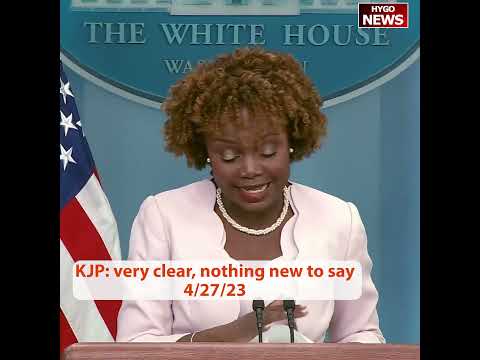
A reporter pressed White House Press Secretary Karine Jean-Pierre during an April 2023 briefing on pressure from the U.S. Chamber of Commerce — the nation’s biggest business lobbying group — which was “directly calling on the administration to sit down and negotiate on the debt limit.” Jean-Pierre maintained her hard-line position, characterizing the Republican plan as “an extreme MAGA wish list” and repeatedly emphasizing she had “answered the question the same way” many times.
The Chamber of Commerce Pressure
- Biggest lobbying group: Biggest business lobbying group.
- Direct call: Direct call for negotiations.
- Business community: Business community view.
- Economic concerns: Economic concerns.
- Cross-partisan pressure: Cross-partisan pressure.
The Chamber’s Framework
- Negotiation demand: Negotiation demand.
- “No delay”: “No delay” messaging.
- Congressional leaders: Congressional leaders.
- Debt ceiling resolution: Debt ceiling resolution.
- Runaway deficits: Runaway deficits concern.
The Reporter’s Push
- Specific clarification: Specific clarification.
- Yesterday’s reference: Yesterday’s reference.
- Budget negotiation: Budget negotiation.
- Consistent pursuit: Consistent pursuit.
- Professional inquiry: Professional inquiry.
Jean-Pierre’s Continued Message
- “Very, very clear”: “Very, very clear.”
- “Really, really clearly”: “Really, really clearly.”
- Message discipline: Message discipline.
- Emphasis repetition: Emphasis repetition.
- Political framing: Political framing.
The “MAGA Wish List”
- Extreme framing: Extreme framing.
- Republican characterization: Republican characterization.
- Political labeling: Political labeling.
- Messaging weapon: Messaging weapon.
- Narrative control: Narrative control.
The “They Cannot Allow”
- Default prevention: Default prevention emphasis.
- Republican responsibility: Republican responsibility.
- Democratic pressure: Democratic pressure.
- Moral framing: Moral framing.
- Urgent language: Urgent language.
The Constitutional Duty
- Congressional authority: Congressional authority.
- Republican obligation: Republican obligation.
- Democratic framework: Democratic framework.
- Historical precedent: Historical precedent.
- Institutional norms: Institutional norms.
The “Many Different Ways”
- Question repetition: Question repetition.
- Press persistence: Press persistence.
- Administration resistance: Administration resistance.
- Professional pattern: Professional pattern.
- Message consistency: Message consistency.
The Democratic Unity
- Party alignment: Party alignment.
- Strategic coordination: Strategic coordination.
- Public messaging: Public messaging.
- Political positioning: Political positioning.
- Leadership alignment: Leadership alignment.
The Business Community
- Chamber pressure: Chamber pressure.
- Economic concerns: Economic concerns.
- Business leaders: Business leaders.
- Market implications: Market implications.
- Political influence: Political influence.
The Fiscal Framework
- Runaway deficits: Runaway deficits.
- Fiscal discipline: Fiscal discipline.
- Budget priorities: Budget priorities.
- Economic concerns: Economic concerns.
- Policy debates: Policy debates.
The Administration Strategy
- Hard stance: Hard stance.
- No-negotiation: No-negotiation posture.
- Public messaging: Public messaging.
- Political positioning: Political positioning.
- Strategic calculation: Strategic calculation.
The McCarthy Challenge
- Meeting request: Meeting request.
- Negotiation readiness: Negotiation readiness.
- Conference management: Conference management.
- Political pressure: Political pressure.
- Compromise possibility: Compromise possibility.
The Bipartisan Pressure
- Chamber of Commerce: Chamber of Commerce.
- Business community: Business community.
- Cross-party concerns: Cross-party concerns.
- Institutional voices: Institutional voices.
- Public opinion: Public opinion.
The Communication Strategy
- Message discipline: Message discipline.
- Political framing: Political framing.
- Narrative control: Narrative control.
- Professional navigation: Professional navigation.
- Strategic positioning: Strategic positioning.
The Economic Stakes
- Market implications: Market implications.
- Consumer concerns: Consumer concerns.
- Business community: Business community.
- International impact: International impact.
- Global economy: Global economy.
The Political Calculation
- Polling considerations: Polling considerations.
- Electoral implications: Electoral implications.
- Base mobilization: Base mobilization.
- Independent appeal: Independent appeal.
- Campaign messaging: Campaign messaging.
The Historical Context
- Previous standoffs: Previous standoffs.
- Resolution patterns: Resolution patterns.
- Political damage: Political damage.
- Market memory: Market memory.
- Democratic tradition: Democratic tradition.
The Institutional Voice
- Chamber of Commerce: Chamber of Commerce authority.
- Business community: Business community.
- Professional association: Professional association.
- Lobbying influence: Lobbying influence.
- Political weight: Political weight.
The Resolution Path
- Compromise potential: Compromise potential.
- Separate tracks: Separate tracks.
- Timeline pressure: Timeline pressure.
- Negotiation structure: Negotiation structure.
- Political calculation: Political calculation.
The Default Stakes
- Economic consequences: Economic consequences.
- Global implications: Global implications.
- Market disruption: Market disruption.
- Credit rating: Credit rating.
- Historical precedent: Historical precedent.
The 2024 Context
- Election year: Election year.
- Campaign positioning: Campaign positioning.
- Voter appeal: Voter appeal.
- Strategic communication: Strategic communication.
- Long-term framing: Long-term framing.
The Political Theater
- Public statements: Public statements.
- Media coverage: Media coverage.
- Party positioning: Party positioning.
- Political messaging: Political messaging.
- Narrative construction: Narrative construction.
Key Takeaways
- U.S. Chamber of Commerce called on Biden administration to sit down and negotiate on debt limit.
- Jean-Pierre maintained hard line, calling Republican plan “extreme MAGA wish list.”
- She emphasized “very, very clear” and “really, really clearly” phrasing.
- She noted she had “answered this question many different ways” the same way.
- Administration rejected negotiations despite growing business community pressure.
- The exchange showed cross-partisan business pressure mounting against administration posture.
Transcript Highlights
The following quotations are drawn from an AI-generated Whisper transcript of the briefing and should be considered unverified pending official transcript release.
- “The nation’s biggest business lobbying group, the U.S. Chamber of Commerce, is now directly calling on the administration to sit down and negotiate on the debt limit.” — Reporter framing
- “Been very clear, been very, very clear on this, again, not mincing words here.” — Karine Jean-Pierre
- “What we have seen, they’ve put together, is an agenda, an extreme MAGA wish list.” — Karine Jean-Pierre
- “The president has said really, really clearly, when it comes to the debt ceiling, they cannot allow this to happen.” — Karine Jean-Pierre
- “I’ve gotten this question that you’ve asked me many different ways. I’ve answered it the same way. I don’t have anything new to say.” — Karine Jean-Pierre
- “They should not allow any default.” — Karine Jean-Pierre
Full transcript: 174 words transcribed via Whisper AI.