 HYGO News
 Trump Lower Drug Prices: 'Pfizer & others even decided to not assess the results of their vaccine'
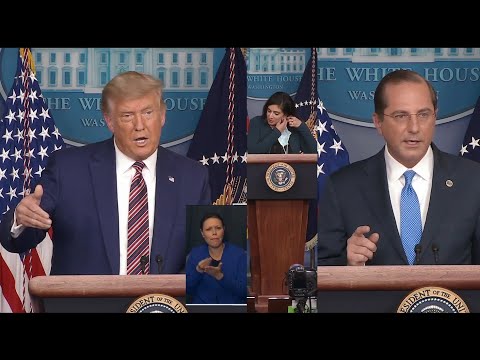
Trump on Lower Drug Prices: “Pfizer and Others Even Decided to Not Assess the Results of Their Vaccine”
On November 20, 2020, President Trump delivered remarks from the White House on his administration’s efforts to lower prescription drug prices, combining the policy announcement with sharp criticism of pharmaceutical companies — particularly Pfizer — for what he alleged was a deliberate delay of their vaccine results until after the presidential election. Trump accused big pharma of running millions of dollars in negative ads against him during the campaign in retaliation for his drug pricing policies, and claimed Pfizer had initially planned to release vaccine data in October but postponed it as political payback.
The Drug Pricing Announcement
Trump framed the event as the culmination of a long-running battle with the pharmaceutical industry. “For generations, the American people have been abused by big pharma and their army of lawyers, lobbyists, and bought-and-paid-for politicians,” he said.
The centerpiece of the announcement was the “most favored nation” pricing model, which would tie the price Medicare pays for certain drugs to the lowest price paid by other developed countries. Trump had signed executive orders on drug pricing in the preceding months, and this announcement expanded on those efforts.
“This is not an easy thing to do,” Trump acknowledged. “Big pharma ran millions and millions of dollars of negative advertisements against me during the campaign — which I won, by the way.”
The Pfizer Vaccine Accusation
Trump devoted significant time to accusing Pfizer of deliberately withholding vaccine results to harm him politically. “Pfizer and others even decided to not assess the results of their vaccine — in other words, not come out with a vaccine — until just after the election,” he claimed.
He alleged the original timeline had called for results in October: “So they were going to come out in October, but they decided to delay it because of what I’m doing, which is fine with me, because frankly, this is just a very big thing.”
Trump also claimed credit for the speed of vaccine development itself: “You wouldn’t have a vaccine if it weren’t for me for another four years, because FDA would’ve never been able to do what they did — what I forced them to do.”
He speculated about the political implications: “They waited and waited and waited. And they thought they’d come out with it a few days after the election. And it would’ve probably had an impact. Who knows? Maybe it wouldn’t have.”
Pfizer had publicly stated that the timing of its vaccine data release was determined by when enough trial participants had contracted COVID-19 to produce statistically meaningful efficacy data, not by political considerations.
Big Pharma as Political Opponent
Trump cast the pharmaceutical industry as a political adversary, alongside the media and big tech. “We had big pharma against us. We had the media against us. We had big tech against us. We had a lot of dishonesty against us,” he said.
He described the industry’s campaign spending as a direct consequence of his pricing policies: “Big pharma alone ran millions and millions of dollars in ads. In fact, I looked at it, and I said, ‘Who is it?’ I’ve never seen anything quite like it. Because I told them, ‘I’m going to have to do this.’ You know, I was put here to do a job.”
Despite the adversarial framing, Trump maintained that the policy would ultimately benefit patients. “I will always put American patients first, and I think it could never be shown better than what I’m doing today,” he said.
Key Takeaways
- Trump used a drug pricing announcement to accuse Pfizer of deliberately delaying vaccine results from October until after the election in retaliation for his most-favored-nation pricing policies, though Pfizer stated the timing was determined by trial enrollment data.
- He framed big pharma as a political adversary alongside the media and big tech, claiming the industry had run millions in negative campaign ads against him because of his drug pricing reforms.
- The most-favored-nation model would tie Medicare drug prices to the lowest prices paid by other developed countries, representing one of the administration’s most aggressive moves against pharmaceutical industry pricing practices.