 HYGO News
 Trump on LA: 'If There's an Insurrection, I Would Certainly Invoke It -- Areas Could Be Called Insurrection'; 'People with Heavy Hammers Pounding Curbs, Breaking Granite, Handing Out as Weapons -- Dropping from Bridges Onto Cars'; USDA Sec Rollins with Sen Banks on OBBB; Rep. Espaillat Mocks Gulf of America Rename
Trump on LA: “If There’s an Insurrection, I Would Certainly Invoke It — Areas Could Be Called Insurrection”; “People with Heavy Hammers Pounding Curbs, Breaking Granite, Handing Out as Weapons — Dropping from Bridges Onto Cars”; USDA Sec Rollins with Sen Banks on OBBB; Rep. Espaillat Mocks Gulf of America Rename
Trump made his most explicit statement yet about potentially invoking the Insurrection Act on June 11, 2025. “If there’s an insurrection, I would certainly invoke it, we’ll see, but I can tell you last night was terrible. The night before that was terrible.” He described the specific criminal conduct: “People with big heavy hammers pounding the concrete and pounding curbs, pounding it, breaking up all, and handing these big chunks of concrete to people. And they were taking that concrete, going up in bridges and dropping it into the roof of a car. They were throwing it at our police. They were throwing it at our soldiers.” On whether areas counted as insurrection: “There were certain areas of Los Angeles that you could have called an insurrection.” On who they were: “These are paid insurrectionists. These are paid troublemakers. They get money… They’re not breaking the curb because they’re doing a demolition service. They’re breaking it to hand out to people as a weapon.” USDA Secretary Brooke Rollins met with Senator Jim Banks (R-IN) to discuss OBBB’s farmer benefits. Democratic Rep. Adriano Espaillat mocked Trump’s Gulf of America rename: “Our President wants to rename the Gulf of Mexico to the Gulf of America. How about that?”
Trump on Invoking Insurrection Act
Trump addressed the possibility directly.
“If there’s an interaction, I would certainly invoke it, we’ll see, but I can tell you last night was terrible,” Trump said.
He described the progression: “The night before that was terrible.”
He made the direct claim: “I mean, I could tell you there were certain areas of that of Los Angeles that you could have called an insurrection.”
The Insurrection Act Context
Trump’s reference was substantive.
The Insurrection Act of 1807:
- Federal statute authorizing federal military deployment
- Invoked when states can’t suppress domestic violence
- Last invoked in 1992 LA riots
- Major executive authority
- Significant political implications
What invoking Insurrection Act would do:
- Allow federal military for law enforcement
- Suspend Posse Comitatus restrictions
- Enable direct federal action against rioters
- Substantial federal force deployment
- Clear legal framework for action
Why Trump discussing this:
- Signal to LA rioters
- Legal framework ready
- Political willingness clear
- Alternatives exhausted
- Threat level appropriate
The political implications:
- Major authority escalation
- Democratic opposition predictable
- Media criticism inevitable
- Legal challenges possible
- Political cost significant
The Specific LA Violence
Trump described the specific conduct.
“We have, as you’ve seen, it was on most of your networks, people with big heavy hammers pounding the concrete and pounding curbs, pounding it, breaking up all, and handing these big chunks of concrete to people.”
The “Hammers and Concrete” Evidence
This was specific and damning.
The specific equipment:
- Heavy hammers (not spontaneous)
- Used for specific purpose
- Required advance planning
- Not typical protest gear
- Weaponization clear
The specific conduct:
- Breaking curbs systematically
- Creating projectile pieces
- Distributing to accomplices
- Coordinated activity
- Organized violence
Why this mattered:
- Not spontaneous protest
- Planned attack methodology
- Weapon preparation
- Criminal conspiracy evidence
- Federal prosecution warranted
The political point:
- Random protesters don’t bring heavy hammers
- Curb-breaking wasn’t spontaneous
- Someone organized the operation
- Supply chain apparent
- Leadership must exist
”Going Up on Bridges, Dropping”
Trump described the specific attacks.
“And they were taking that concrete, going up in bridges and dropping it into the roof of a car. They were throwing it at our police. They were throwing it at our soldiers that are there.”
The Bridge Drops
This was particularly dangerous conduct.
What the bridge drops involved:
- Protesters climbing freeway overpasses
- Dropping concrete chunks onto moving vehicles
- Potentially lethal attacks
- Civilian and law enforcement targets
- Coordinated action
Why this was especially serious:
- High-impact attacks
- Serious injury/death potential
- Terrorism-adjacent conduct
- Deliberate targeting
- Federal felony applicable
The legal implications:
- Attempted murder possible
- Aggravated assault clear
- Potentially terrorism charges
- Federal jurisdiction multiple
- Maximum penalties applicable
The psychological dimension:
- Premeditated attacks
- Elevated position selection
- Maximum damage intent
- Not heat of moment
- Deliberate criminal conduct
”Certain Areas… Could Have Called an Insurrection”
Trump’s specific framing was politically significant.
“I mean, I could tell you there were certain areas of that of Los Angeles that you could have called an insurrection. It was terrible.”
The “Insurrection” Framing
Trump’s use of the word was deliberate.
What “insurrection” meant:
- Uprising against government authority
- Organized violent opposition
- Specific legal significance
- Political framing
- Historical resonance
Why Trump chose this word:
- Democrats used it for January 6, 2021
- Same word applied creates parallel
- Highlights Democratic double standard
- Political framing flipped
- Rhetorical point made
The asymmetric pattern:
- Democrats: “insurrection” for January 6 (primarily peaceful protest)
- Democrats: “peaceful protests” for LA 2025 (organized violence)
- Consistent framing impossible
- Political rather than factual standards
- Credibility problem for Democrats
The political effect:
- Trump forcing consistency
- Democrats caught in contradiction
- Public can see the asymmetry
- Political cost accumulating
- Narrative gaining traction
”Paid Insurrectionists”
Trump repeated his theory.
“But these are paid insurrectionists. These are paid troublemakers. They get money.”
He detailed the suspicion: “And when you take a look at what they do, where they show up and everyone’s saying, what’s he doing? He’s pounding the curbs. There’s one guy’s pounding the curb, breaking the curb, and handing big pieces of granite.”
The “Paid” Theory Development
Trump elaborated the argument.
“In some cases, it’s granite, granite and concrete to other people. And they’re running out with it. And then we watch the other people and they try and throw it into the face of the soldiers, throw it into the face of the police.”
He concluded: “They go up on bridges, they drop it down on the cars as the cars are moving.”
The Distribution Logic
The specific mechanism revealed organization.
The specific pattern:
- One person breaks curbs
- Another distributes pieces
- Multiple actors throwing
- Bridge droppers positioned
- Coordinated roles
Why this suggested payment:
- Specific roles assigned
- Coordinated timing
- Equipment distributed
- Professional conduct
- Team organization
The alternative explanations:
- Voluntary activists (possible but organized)
- Paid protesters (Trump’s theory)
- Ideological commitment (with professional organization)
- Combination (most likely)
- All suggest organization regardless
Why “paid” framing politically effective:
- Diminishes legitimacy
- Suggests external funding
- Implies foreign or domestic operatives
- Raises accountability questions
- Creates investigative opportunity
”They’re Not Breaking Curb for Demolition Service”
Trump’s specific logic was devastating.
“They’re not breaking the curb because they’re doing a demolition service. They’re breaking it to hand out to people as a weapon.”
The Rhetorical Trap
The framing left no defense.
What Trump was pointing out:
- Construction workers have purposes
- Curb-breakers at protests do not
- The only purpose was weaponization
- Obvious criminal intent
- No innocent explanation
Why this worked:
- Simple logic
- Undeniable reasoning
- Visual evidence clear
- No innocent alternative
- Public understanding
The “demolition service” joke:
- Sarcasm effective
- Dismisses innocent explanation
- Highlights absurdity
- Makes the point memorable
- Political skill
The broader application:
- Anyone denying organized violence looks foolish
- Evidence overwhelming
- Democratic framing untenable
- Public credibility damaged
- Trump framing gaining
”Never Seen That Before”
Trump concluded with assessment.
“That’s bad. It’s bad stuff. I’ve never seen that before.”
The Historical Comparison
Trump’s “never seen” was notable.
What Trump had seen before:
- 2020 riots (multiple cities)
- January 6, 2021
- Various other protests
- Major civil disturbances
- Historical events
Why 2025 LA was different:
- Systematic weaponization
- Coordinated attacks
- Bridge drops on vehicles
- Professional conduct
- Scale and organization
What this suggested:
- Escalation in tactics
- More sophisticated organization
- Possibly foreign influence
- Different funding level
- New pattern
The investigative implications:
- New tactics require new approaches
- Intelligence gathering needed
- Financial investigations warranted
- International connections possible
- Federal expansion appropriate
The Espaillat Gulf of America Mock
Democratic Rep. Adriano Espaillat made a revealing statement.
“Our President wants to rename the Gulf of Mexico to the Gulf of America. How about that?”
The Espaillat Context
The specific Democratic framing captured.
Who Espaillat is:
- Democratic Rep. from New York
- Dominican-American
- Progressive positioning
- Cultural identity emphasis
- Democratic voice
The “How about that?” tone:
- Mocking
- Dismissive
- Cultural framing
- Sarcastic delivery
- Standard Democratic approach
What Espaillat was suggesting:
- Trump’s name change was silly
- America imposing cultural dominance
- Mexican cultural perspective
- Anti-American framing
- Hispanic identity emphasis
Why this was politically questionable:
- Actually popular with many Americans
- American identity affirmation
- Renaming to “America” historically common
- Nothing inherently problematic
- Democratic disconnect from mainstream
The Gulf of America Context
The Gulf of Mexico renaming was substantive.
What Trump had done:
- Executive order to rename (January 2025)
- Gulf of Mexico to Gulf of America
- For US federal government use
- International usage unchanged
- Symbolic restoration
The historical context:
- Gulf named by Spanish explorers
- Mexico hadn’t existed when named
- American sovereignty over portions
- Historical evolution of names
- Political rather than natural
The political purpose:
- American identity assertion
- Cultural restoration
- Sovereignty symbolism
- Popular base support
- Standard Trump symbolism
Why Democrats mocked:
- Cultural distance from base
- Elite vs. populist dynamic
- Identity politics commitment
- Misreading national mood
- Electoral miscalibration
Brooke Rollins at USDA
Secretary Brooke Rollins featured in related segment.
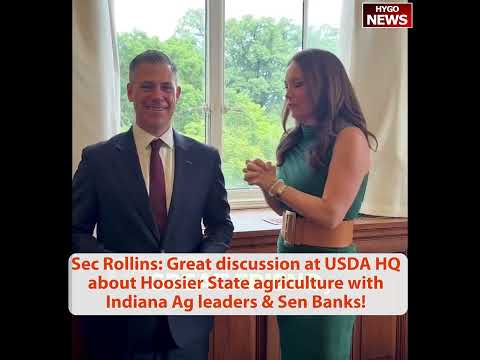
“Hey, everyone, it’s Brooke Rollins here with my great friends, Senator Jim Banks, at the amazing state of Indiana.”
She described the meeting: “We just had an awesome conversation about the importance of the big, beautiful bill.”
She emphasized USDA focus: “And especially for us here at USDA, what that does not just for all Americans, but specifically for our farmers and our ranchers.”
She previewed the day: “And we’re about to sit down and meet with some of your great constituents in Indiana.”
Sen. Banks’s Role
Senator Jim Banks (R-IN) contributed.
“That’s right. We have a great group of leaders from Indiana coming to talk with Secretary Rollins about all the good work happening in our state.”
He emphasized OBBB importance: “But we have to pass the big, beautiful bill. It’s so good for farmers, for small businesses, for the working class families of this country.”
He described consequences of failure: “And if we don’t pass it, the tax increases on farmers and factory workers, mechanics, teachers, police officers will be drastic.”
He articulated the stakes: “We can’t let that happen.”
He celebrated Trump: “President Trump is fighting for you, is fighting for lower taxes for working class families and farmers.”
The Agricultural Focus
The USDA/OBBB connection was substantive.
Why OBBB mattered for farmers:
- Tax cuts for agriculture
- TCJA extension (2017 cuts)
- Estate tax reforms
- Farm equipment deductions
- Agricultural trade benefits
The specific provisions:
- Farm tax cuts preserved
- Agricultural equipment incentives
- Farm succession provisions
- Rural tax benefits
- Export expansion
Why farmers supported Trump:
- Previous tariff benefits (long-term)
- TCJA tax cuts
- Regulatory relief
- Cultural alignment
- Economic support
The Indiana context:
- Major agricultural state
- Republican stronghold
- Banks’s constituency
- OBBB benefits substantial
- Political alignment clear
The Agricultural Package
Banks specifically detailed who benefits.
The OBBB beneficiaries:
- Farmers
- Factory workers
- Mechanics
- Teachers
- Police officers
Why this matters politically:
- Traditional Democratic constituencies
- Working-class professions
- Trump coalition growing
- Bipartisan appeal
- Cultural alignment
The consequences of OBBB failure:
- Tax increases across all categories
- Farm stress
- Manufacturing disruption
- Middle-class pain
- Broad economic harm
The Banks-Rollins message:
- OBBB essential for agricultural communities
- Cross-state coordination
- Senatorial leadership
- Administrative engagement
- Coalition building
Rollins Closing
Secretary Rollins closed.
“I’m fighting a fight and a Senate thanks for all that you do.”
Banks responded: “Yeah.”
Rollins added: “Well, Senator Jim Banks, one of the very, very best. Thank you for being here.”
The Relationship Building
The interaction demonstrated administration approach.
What this showed:
- Cabinet-Senate coordination
- Personal relationships
- State-level engagement
- Agricultural priority
- OBBB advocacy
The political value:
- Direct constituent engagement
- State-level advocacy
- Bipartisan reach
- Base mobilization
- Electoral benefit
Why Rollins was effective:
- Agricultural background
- Policy expertise
- Political acumen
- Strong personality
- Trusted messenger
The Banks role:
- Rising Republican senator
- Indiana representation
- Agricultural committee
- Trump ally
- Future leadership
The Coordinated Messaging
The broadcast captured multiple priorities.
Simultaneous messages:
- LA response (insurrection framework)
- OBBB advocacy (agricultural)
- Democratic failure (Espaillat)
- Administrative action (Rollins-Banks)
- Coalition building (farmers-workers)
The strategic value:
- Multiple audiences reached
- Different media segments
- Coordinated narrative
- Policy advocacy continues
- Political advantage maintained
The administration rhythm:
- Crisis response to LA
- Policy advocacy for OBBB
- Cultural battles (Gulf of America)
- Cabinet engagement
- Senate coordination
The LA Specific Arrests
Trump mentioned arrests.
“We have them in custody right now.”
What this represented:
- Successful enforcement
- Individual accountability
- Criminal consequences
- Process functional
- Political success
The specific arrests:
- Individuals captured during operations
- Multiple specific perpetrators
- FBI investigations ongoing
- Federal charges being prepared
- Long-term consequences
The deterrent effect:
- Specific consequences visible
- Other potential rioters warned
- Political message sent
- Administrative capability demonstrated
- Future similar events discouraged
The Insurrection Act Considerations
Trump’s consideration mattered.
What invoking Insurrection Act requires:
- Congressional determination difficult
- President can declare
- Constitutional basis
- Supreme Court precedent
- Political feasibility
The political calculation:
- Major escalation
- Democratic opposition mobilized
- Media coverage harsh
- Base might support
- Political risk calculation
The practical alternative:
- Current federal deployment sufficient
- Without invoking Insurrection Act
- Similar practical effect
- Lower political cost
- Better strategic positioning
Why Trump mentioned it:
- Signal to rioters
- Signal to Newsom
- Signal to Democratic allies
- Escalation possibility
- Negotiating leverage
The Broader Political Environment
The LA situation revealed broader patterns.
Administration approach:
- Swift response to violence
- Clear legal framework
- Political confidence
- Strategic messaging
- Coalition reinforcement
Democratic response:
- Defend illegal immigrants
- Oppose federal enforcement
- Maintain sanctuary positions
- Attack administration
- Limit political damage
Public perception:
- Video evidence shapes opinion
- Democrats appear weak on crime
- Trump appears decisive
- Base mobilized on both sides
- Swing voters attentive
Electoral implications:
- Midterm positioning
- 2028 implications
- Long-term party dynamics
- Specific demographic groups
- Future enforcement operations
Key Takeaways
- Trump on Insurrection Act: “If there’s an insurrection, I would certainly invoke it. Certain areas of LA could have been called insurrection.”
- Trump on specific violence: “People with heavy hammers pounding curbs, breaking granite, going up on bridges, dropping it onto cars.”
- Trump on rioters: “They’re not breaking the curb because they’re doing demolition service. They’re breaking it to hand out to people as a weapon.”
- Rep. Espaillat mocks Gulf of America rename: “Our President wants to rename the Gulf of Mexico to the Gulf of America. How about that?”
- USDA Sec Rollins with Sen Banks: OBBB essential for farmers, factory workers, mechanics, teachers, police officers.