 HYGO News
 Trump on Minneapolis 2020 vs LA 2025: 'I Waited for Governors. They Wouldn't Do It. Minneapolis Burned Down 7 Days... If That Happens Again, We've Got to Make Faster Decisions'; Trump on Newsom Call: 'Got to Do a Better Job -- Los Angeles Would Be Burning Right Now'; 'Paid Insurrectionists' -- Maxine Waters Insists 'There Was No Violence'
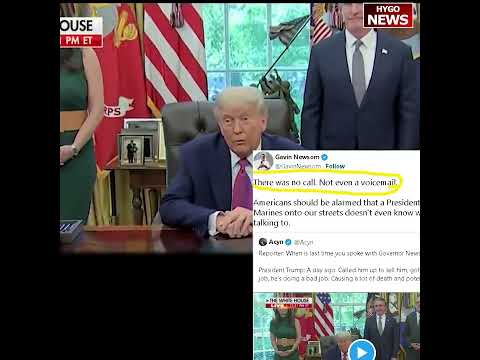
Trump on Minneapolis 2020 vs LA 2025: “I Waited for Governors. They Wouldn’t Do It. Minneapolis Burned Down 7 Days… If That Happens Again, We’ve Got to Make Faster Decisions”; Trump on Newsom Call: “Got to Do a Better Job — Los Angeles Would Be Burning Right Now”; “Paid Insurrectionists” — Maxine Waters Insists “There Was No Violence”
President Trump explained his LA decision-making philosophy in June 2025, contrasting with 2020 Minneapolis. “I’ve been here before and I went right by every rule, and I waited for governors to send in the National Guard. They wouldn’t do it. And in Minneapolis, that city was burning down seven days, and I said, I don’t care. The governor [Walz], who just happened to be running for vice president in the total, you talk about an incompetent governor. He’s an incompetent person. Well, I was actually very happy he was there for other reasons. But this guy wouldn’t call the National Guard. We ultimately just sent in the National Guard. We stopped it. But that was after seven days. And I said to myself, if that stuff happens again, we’ve got to make faster decisions.” On his recent Newsom call: “Called him up to tell him, ‘You got to do a better job.’ He’s doing a bad job. Causing a lot of death and a lot of potential death. If we didn’t send out the National Guard… Los Angeles would be burning right now.” Trump characterized LA participants: “We had some bad people… paid insurrectionists. These are paid troublemakers. They’re agitators.” Meanwhile Rep. Maxine Waters insisted “There was no violence” despite mass rioting.
Trump’s 2020 Minneapolis Reflection
Trump recounted the 2020 experience.
“You have to remember, I’ve been here before, and I went right by every rule, and I waited for governors to send in the National Guard,” Trump said.
He described governor resistance: “They wouldn’t do it. They wouldn’t do it. And they just wouldn’t do it.”
He described the progression: “They kept going on and on. Got worse and worse.”
The Minneapolis 2020 Context
The reference to 2020 was substantive and specific.
What Trump “waited” for in 2020:
- Governor to request federal assistance
- State to manage situation initially
- Local authorities to respond
- Governor to activate Guard
- Proper procedural channels
Why he waited:
- Traditional federalism framework
- Constitutional deference to states
- Standard precedent
- Political calculation
- Avoiding federal overreach charges
What actually happened:
- Walz delayed National Guard activation
- Minneapolis burned for days
- Third Precinct destroyed
- Massive property damage
- Continued violence
Trump’s frustration:
- Sympathetic to local governance
- But outcome intolerable
- Lesson learned hard
- Future approach changed
- Strategic recalibration
The Seven-Day Minneapolis
Trump specified duration.
“And in Minneapolis, that city was burning down seven days, and I said, I don’t care.”
The Minneapolis Timeline
The 2020 Minneapolis timeline was devastating.
Day 1 (May 26, 2020):
- George Floyd died May 25
- Initial protests formed
- Peaceful beginnings
- Police station encirclement
Days 2-3:
- Property destruction began
- Minneapolis Police 3rd Precinct evacuated
- Police retreat criticized
- Governor called for more time
Days 4-7:
- Fires spread throughout city
- Looting widespread
- Businesses destroyed
- Neighborhoods devastated
Day 8 and beyond:
- Federal deployment
- National Guard activated (too late)
- Damage already done
- $500 million+ property damage
The consequences:
- 2 deaths
- 500+ businesses destroyed
- Police trust damaged
- City still recovering 5 years later
- Political implications immense
Walz’s “Incompetent” Framing
Trump was specific about the governor.
“The governor, who’s a governor that just happened to be running for vice president in the total, you talk about an incompetent governor. He’s an incompetent person.”
He noted an ironic silver lining: “Well, I was actually very happy he was there for other reasons.”
The 2024 Context
Trump’s “happy he was there” was politically sharp.
What this implied:
- Walz as VP candidate helped Trump
- His incompetence was campaign asset
- 2020 Minneapolis resurfaced
- Democratic weakness exposed
- Political benefit from opposition choice
Why Walz was poor choice:
- Minneapolis failures reminded voters
- Midwestern gubernatorial record questioned
- 2020 performance issues
- Progressive policy record problematic
- Democratic alternative less attractive
The specific 2024 impact:
- Walz’s Minneapolis record surfaced
- Tim Walz mocked widely
- Harris ticket weakness
- Trump political advantage
- Democratic strategic error
The historical irony:
- Trump had criticized Walz for years
- Democrats chose him as VP anyway
- Trump benefited politically
- Walz record re-examined
- Political consequences predictable
”I Said to Myself…”
Trump described his strategic reflection.
“And I said to myself, if that stuff happens again, we’ve got to make faster decisions because they don’t want to do it.”
He identified the pattern: “It’s usually radical left, and it’s usually governors that are Democrat, and they don’t want to call them in.”
He articulated the philosophical problem: “They don’t want to save lives. They don’t want to save property. They don’t want to call them in. I don’t know what it is.”
The “Democrats Don’t Want to Save Property”
Trump identified a specific pattern.
Why Democratic governors were slow to respond:
- Political calculations
- Progressive base pressures
- Activist alignments
- Fear of appearing “tough”
- Cultural positioning
The specific incentives:
- Progressive activists oppose law enforcement
- Base doesn’t want Guard deployed
- Media coverage hostile to aggressive response
- Political calculation favors patience
- Electoral incentives wrong direction
Why this mattered:
- Continued violence
- Property destruction
- Community harm
- Public safety compromised
- Long-term consequences
The political pattern:
- Democratic governors consistently slower
- Republican governors (rare in these cities) different
- Mayors often worst offenders
- Cultural commitments dominant
- Political costs accumulating
The 2025 LA Approach
Trump described the different approach.
“We sent them in not early. We sent them in late, as far as I’m concerned. But big problems, as you know, three nights ago, big problems were ensuing.”
He delivered the key counterfactual: “If we didn’t send in the National Guard quickly, right now Los Angeles would be burning to the ground.”
The “Too Late” Qualifier
Trump was self-critical.
His assessment:
- Sent troops late by his standards
- Should have been faster
- Learned from Minneapolis
- But still got it done
- Better late than never
Why “too late” in 2025:
- Violence already widespread
- Damage already begun
- Deterrent effect delayed
- Political cost already significant
- Could have been minimized earlier
The counterfactual:
- Without federal response: catastrophic
- With federal response: manageable
- Speed matters
- Timing crucial
- Federal intervention necessary
”Los Angeles Would Be Burning to the Ground”
Trump’s counterfactual was substantive.
What would have happened without federal action:
- Riots would have continued
- Destruction would have spread
- Multiple days of violence
- Fire damage widespread
- Community trauma
What the federal response prevented:
- Spread beyond initial areas
- Continued violence
- Additional property destruction
- Further casualties
- Political legitimization
The Olympics concern:
- LA hosts 2028 Olympics
- International attention
- City reputation mattered
- Damage control necessary
- Long-term interests
Trump on Newsom Call
Trump described his recent communication.
“When is the last time you spoke with Governor Anderson? A day ago.”
Trump corrected himself: “Called him up to tell him, got to do a better job, he’s doing a bad job.”
He made the causal claim: “Causing a lot of death and a lot of potential death. If we didn’t send out the National Guard, and last time we gave him a little additional help, you would have, Los Angeles would be burning right now.”
The Newsom Rebuke
Trump’s call was blunt.
What Trump communicated:
- Direct criticism to Newsom
- “Got to do a better job”
- Specific performance assessment
- No diplomatic hedge
- Personal accountability
What “causing death and potential death” meant:
- Sanctuary policies enabled crimes
- Slow riot response enabled violence
- Administrative failures had consequences
- Public safety compromised
- Specific cases of harm
Why Trump shared this publicly:
- Political positioning
- Voter communication
- Not private confidential
- Accountability framework
- Political messaging
The political effect:
- Newsom publicly criticized
- Democratic governor’s failures highlighted
- Federal leadership contrasted
- 2028 candidate reputation damaged
- Long-term political cost
The LA Olympics Context
Trump noted specific concern.
“You know, you got to remember, we have the Olympics coming. Now we don’t want people looking at Los Angeles like it was, like it would have been. It would have been bad.”
The 2028 Olympics Stakes
Los Angeles had specific responsibility.
What LA 2028 represented:
- Second LA Olympic hosting (after 1984)
- International reputation
- Economic opportunity
- Tourism development
- City showcase
Why the riots threatened this:
- International coverage negative
- Investment concerns
- Tourist cancellations
- Athletic delegation concerns
- Long-term damage
Trump’s pragmatic calculation:
- LA’s image important
- American reputation stake
- Olympic success valuable
- Federal investment protected
- Long-term economic benefit
The political context:
- Trump secured LA Olympics in 2017
- Personal investment in event
- Success politically valuable
- Failure politically costly
- Strategic attention warranted
”Total Control” Last Night
Trump claimed success.
“Last night they had total control.”
He explained the mechanism: “If we didn’t have the military in there, the National Guard, and then we also sent in some Marines.”
The Federal Military Deployment
The combined force was significant.
What was deployed:
- National Guard (thousands)
- Marines (specific contingent)
- FBI operations
- U.S. Attorney staff
- Coordinated federal force
The specific roles:
- National Guard: broad protection
- Marines: specific facility protection
- FBI: investigation and arrest
- DOJ: prosecution preparation
- DHS: enforcement continuation
Why multiple forces:
- Different legal authorities
- Different missions
- Different capabilities
- Different restrictions
- Comprehensive coverage
The successful result:
- Riots quelled
- Property protected
- Federal agents safe
- Operations continued
- Violence decreasing
”These Are Paid Insurrectionists”
Trump characterized the violent participants.
“We had some bad people. We have people, they look in your face and they spit right in your face. They’re animals.”
He delivered the key characterization: “And these are paid insurrectionists. These are paid troublemakers. They’re agitators. They’re paid.”
He explained: “Do you think somebody walks up to a curb and starts hammering pieces out? Because all the equipment necessary and starts handing it out to people to use as a weapon.”
The “Paid Insurrectionist” Framing
Trump’s theory was specific.
What he alleged:
- Participants were paid
- Not organic protesters
- Organized criminal enterprise
- Specific equipment prepared
- Coordinated violence
The evidence for this framing:
- Glass bottles pre-positioned
- Cinderblocks broken up in advance
- Weapons ready
- Coordinated communication
- Professional conduct of some
The political implications:
- Funded opposition
- Organized anti-American activity
- Possibly foreign influence
- Coordinated political warfare
- Not spontaneous
The challenge to prove:
- Specific funding sources
- Organization charts
- Communication intercepts
- Payment records
- Legal evidence
Why this mattered legally:
- Conspiracy charges possible
- RICO implications
- Foreign support questions
- Organized criminal investigation
- Federal enforcement expanded
The Specific Infrastructure
Trump cited specific evidence.
“Do you think somebody walks up to a curb and starts hammering pieces out? Because all the equipment necessary and starts handing it out to people to use as a weapon.”
The Pre-Positioning Evidence
The physical evidence suggested planning.
What was pre-positioned:
- Construction materials (cinderblocks broken)
- Glass bottles
- Weaponized items
- Communication equipment
- Supply distribution
Why this indicated planning:
- Random protesters don’t bring cinderblocks
- Equipment stockpiled in advance
- Systematic distribution
- Coordinated timing
- Professional logistics
The pattern vs. spontaneous protest:
- Spontaneous: few weapons, improvised
- Planned: extensive equipment, weaponized items
- Spontaneous: disorganized, small-scale
- Planned: coordinated, larger-scale
- LA events matched planned pattern
The legal significance:
- Planning elevates charges
- Conspiracy charges possible
- Coordinated action documented
- Organized criminal enterprise
- Federal prosecution strengthened
”We Have in Custody Some Very Bad People”
Trump noted ongoing arrests.
“We ended it and we have in custody some very bad people. Some very bad people.”
He pivoted to specific visual: “Did you see the guy throwing the rocks at the police cars as they went by and crushing their windows and endangering our police? We’re not going to let that happen.”
The Specific Incidents
Trump’s references were pointed.
The “guy throwing rocks”:
- Specific incident captured
- Video evidence
- Clear criminal conduct
- Endangering officers
- Typical LA pattern
The “crushing windows”:
- Property damage
- Potentially lethal force
- Vehicle destruction
- Officer danger
- Federal crimes
The “endangering our police”:
- Public safety threat
- Deliberate targeting
- Criminal intent clear
- Consequences appropriate
- Not political protest
The “we’re not going to let that happen”:
- Clear policy commitment
- Deterrence signaled
- Accountability promised
- Future prevention
- Administrative priority
Maxine Waters Denial
Rep. Maxine Waters (D-CA) offered a different characterization.
“The protests, and even those who were out of step with what we’re advocating, peaceful protests, did not create any violence.”
She doubled down: “Nobody was shot. Nobody was killed. Get it in your head. And so when martial law is called, what are you going to say?”
She dismissed the violence: “I missed the point. Don’t miss the point, you all. Don’t think that somehow, because they called out the National Guard, there was violence. There was no violence.”
The “No Violence” Denial
Waters’s denial was extraordinary.
What Waters claimed:
- No violence occurred
- Peaceful protests only
- No shootings
- No killings
- Federal response unjustified
What actually happened:
- Multiple officers injured
- Vehicles damaged
- Property destroyed
- Buildings vandalized
- Coordinated attacks
Specific documented incidents:
- Cinderblocks thrown at vehicles
- Glass bottles thrown at officers
- Fires set
- Property damaged
- Assaults
Why the denial was politically disastrous:
- Video evidence overwhelming
- Media coverage clear
- Public can see reality
- Democratic credibility damaged
- Tone-deaf to voters
The pattern similar to 2020:
- Democrats called 2020 riots “peaceful”
- Created “fiery but mostly peaceful” framing
- Same pattern in 2025
- Voters remember 2020 gaslighting
- Lost credibility with independents
The Maxine Waters Problem
Her specific phrasing was revealing.
“Get it in your head”:
- Dictatorial tone
- Dismissive of reality
- Command rather than persuasion
- Reflects disconnection
- Poor communication
“Don’t miss the point”:
- What was the point?
- Disagreement with obvious facts
- Reality denial
- Ideological commitment over facts
- Political rather than informed
“When martial law is called”:
- Misleading framing
- Martial law not declared
- National Guard deployment different
- Specific legal distinctions ignored
- Exaggerated language
“There was no violence”:
- Flatly untrue
- Contradicted by evidence
- Political rather than factual
- Embarrassing Democratic position
- Long-term credibility cost
The Democratic Communication Problem
The Waters position exemplified broader issues.
The Democratic challenge:
- How to oppose Trump’s LA response
- While violence is evident
- Without appearing supportive of riots
- While appealing to base
- While maintaining credibility
The Democratic solutions attempted:
- Deny violence occurred (Waters)
- Blame federal response (Bass)
- Frame as disproportionate (various)
- Focus on immigrants (Clarke)
- Use procedural attacks
Why none worked politically:
- Voters see actual events
- Common sense prevails
- Media amplifies Democratic positions
- Positions contradicted by evidence
- Credibility damaged
The long-term cost:
- Democratic framing untrusted
- Future claims received skeptically
- Voter defection continuing
- Electoral implications
- Party repositioning needed
The Specific Video Evidence
The broadcast provided evidence.
“Did you see the guy throwing the rocks at the police cars as they went by and crushing their windows and endangering our police?”
The Video Documentation
Specific video evidence was damning.
What was captured:
- Protesters attacking officers
- Vehicle destruction
- Property damage
- Organized coordination
- Violence clearly visible
Why this matters:
- Video evidence irrefutable
- Direct observation possible
- No spin can change it
- Voters can judge
- Democratic framing contradicted
The specific incidents documented:
- Rock throwing at vehicles
- Glass bottles at officers
- Fire setting
- Looting captured
- Organized distribution
The comparative credibility:
- Trump’s claims corroborated by video
- Democratic claims contradicted by video
- Evidence-based vs. ideological framing
- Voter perception follows evidence
- Long-term political positioning
The Political Strategy Assessment
Both parties’ approaches had strategic implications.
Trump’s advantages:
- Evidence-based claims
- Coherent narrative
- Strong action matched rhetoric
- Multiple administration voices aligned
- Political base mobilized
Democratic disadvantages:
- Evidence contradicted claims
- Multiple conflicting narratives
- Weak response to violence
- Appears to support illegal immigrants
- Base mobilized but alienates center
The electoral implications:
- Midterm elections approaching
- LA situation as political test
- Voter perception being shaped
- Long-term party positioning
- Strategic consequences
The governance implications:
- Federal-state tensions
- Law enforcement capacity
- Public safety frameworks
- Political accountability
- Future enforcement operations
Key Takeaways
- Trump on Minneapolis 2020: “I waited for governors. They wouldn’t do it. City burned 7 days. Learned we’ve got to make faster decisions.”
- Trump on Walz: “Incompetent governor. Incompetent person. I was happy he was there” (VP candidate).
- Trump on Newsom call: “Got to do a better job. He’s doing a bad job. LA would be burning right now.”
- Trump on rioters: “Paid insurrectionists. Paid troublemakers. Someone walks up to curb hammering blocks? They had all equipment necessary.”
- Maxine Waters denial: “There was no violence” — despite overwhelming video evidence of attacks on officers.