 HYGO News
 Q: When The Downgrade Could Happen, This Month? A: Secretary Will Updated Timeline
By HYGO News
Published
· Updated
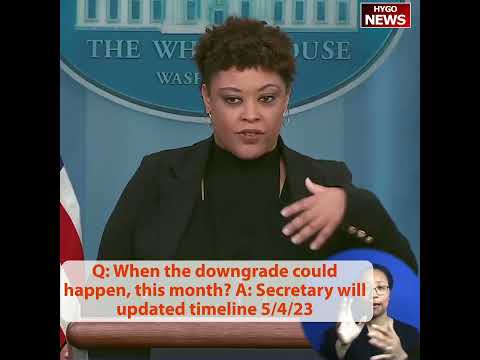
Q: When The Downgrade Could Happen, This Month? A: Secretary Will Updated Timeline
A reporter pressed a White House spokesperson during a May 2023 briefing on potential timing of a U.S. credit downgrade — possibly in “the last week of May this month.” The spokesperson pointed to Treasury Secretary Yellen’s earlier letter citing a June 1 deadline but said the Secretary would refine the timeline as “more confidence goes around a number” about when credit agencies might act.
The Downgrade Timing
- Credit downgrade: Credit downgrade possibility.
- May timeframe: May timeframe.
- End of month: End of month.
- Financial implications: Financial implications.
- Market impact: Market impact.
The Reporter’s Question
- Substantive inquiry: Substantive inquiry.
- Timeline analysis: Timeline analysis.
- Professional pursuit: Professional pursuit.
- Accountability function: Accountability function.
- Democratic function: Democratic function.
The Yellen Letter
- Treasury Secretary: Treasury Secretary.
- June 1 deadline: June 1 deadline.
- Professional communication: Professional communication.
- Administrative warning: Administrative warning.
- Economic analysis: Economic analysis.
The “More Confidence”
- Refining analysis: Refining analysis.
- Updated timeline: Updated timeline.
- Professional process: Professional process.
- Administrative decision: Administrative decision.
- Economic analysis: Economic analysis.
The Credit Agencies
- S&P Global: S&P Global.
- Moody’s: Moody’s.
- Fitch: Fitch.
- Professional analysis: Professional analysis.
- Market impact: Market impact.
The “Full Faith and Credit”
- Economic credibility: Economic credibility.
- International reputation: International reputation.
- Historical precedent: Historical precedent.
- Strategic concern: Strategic concern.
- Professional standards: Professional standards.
The Administrative Strategy
- Timeline management: Timeline management.
- Professional communication: Professional communication.
- Political pressure: Political pressure.
- Strategic positioning: Strategic positioning.
- Administrative coordination: Administrative coordination.
The Default Consequences
- Economic catastrophe: Economic catastrophe.
- Market disruption: Market disruption.
- Interest rates: Interest rates.
- Global implications: Global implications.
- Historical precedent: Historical precedent.
The Warning System
- Treasury warnings: Treasury warnings.
- Administrative coordination: Administrative coordination.
- Professional communication: Professional communication.
- Public messaging: Public messaging.
- Strategic preparation: Strategic preparation.
The June 1 Context
- X-date approach: X-date approach.
- Fiscal cliff: Fiscal cliff.
- Extraordinary measures: Extraordinary measures.
- Administrative limits: Administrative limits.
- Professional warning: Professional warning.
The Early May Timeline
- Hypothetical timing: Hypothetical timing.
- Earlier than expected: Earlier than expected.
- Accelerated crisis: Accelerated crisis.
- Market pressure: Market pressure.
- Administrative pressure: Administrative pressure.
The Professional Communication
- Treasury authority: Treasury authority.
- Administrative coordination: Administrative coordination.
- Public communication: Public communication.
- Democratic function: Democratic function.
- Strategic planning: Strategic planning.
The Refining Process
- Data analysis: Data analysis.
- Professional assessment: Professional assessment.
- Timeline adjustment: Timeline adjustment.
- Administrative precision: Administrative precision.
- Economic analysis: Economic analysis.
The Market Context
- Financial markets: Financial markets.
- Treasury markets: Treasury markets.
- International confidence: International confidence.
- Credit default swaps: Credit default swaps.
- Economic analysis: Economic analysis.
The Political Pressure
- Congressional deadlock: Congressional deadlock.
- Administrative strategy: Administrative strategy.
- Public messaging: Public messaging.
- Electoral implications: Electoral implications.
- Strategic positioning: Strategic positioning.
The Historical Precedent
- 2011 downgrade: 2011 downgrade.
- S&P action: S&P action historical.
- Market impact: Market impact.
- Political damage: Political damage.
- Economic consequences: Economic consequences.
The Administrative Coordination
- Treasury leadership: Treasury leadership.
- Fed coordination: Fed coordination.
- OMB involvement: OMB involvement.
- Interagency response: Interagency response.
- Professional communication: Professional communication.
The Economic Stakes
- Market implications: Market implications.
- Consumer concerns: Consumer concerns.
- Business community: Business community.
- International impact: International impact.
- Global economy: Global economy.
The Credit Rating System
- Sovereign rating: Sovereign rating.
- Rating methodology: Rating methodology.
- Market impact: Market impact.
- Investment grade: Investment grade.
- Economic analysis: Economic analysis.
The Political Pressure
- Congressional pressure: Congressional pressure.
- Administrative messaging: Administrative messaging.
- Public pressure: Public pressure.
- Strategic positioning: Strategic positioning.
- Political calculation: Political calculation.
The Communication Strategy
- Professional communication: Professional communication.
- Administrative coordination: Administrative coordination.
- Public messaging: Public messaging.
- Strategic positioning: Strategic positioning.
- Democratic discourse: Democratic discourse.
The Democratic Pressure
- Party unity: Party unity.
- Strategic coordination: Strategic coordination.
- Administrative support: Administrative support.
- Public messaging: Public messaging.
- Political positioning: Political positioning.
The Republican Response
- Plan presentation: Plan presentation.
- Negotiation readiness: Negotiation readiness.
- Conference management: Conference management.
- Political pressure: Political pressure.
- Strategic positioning: Strategic positioning.
The Resolution Path
- Compromise potential: Compromise potential.
- Separate tracks: Separate tracks.
- Timeline pressure: Timeline pressure.
- Negotiation structure: Negotiation structure.
- Political calculation: Political calculation.
The Media Coverage
- Economic reporting: Economic reporting.
- Political analysis: Political analysis.
- Public engagement: Public engagement.
- Democratic discourse: Democratic discourse.
- Professional journalism: Professional journalism.
The 2024 Context
- Election year: Election year.
- Campaign positioning: Campaign positioning.
- Voter appeal: Voter appeal.
- Strategic communication: Strategic communication.
- Long-term framing: Long-term framing.
Key Takeaways
- A reporter asked if credit downgrade could happen as early as “the last week of May.”
- Spokesperson pointed to Yellen’s June 1 deadline letter as framework.
- She said Secretary would refine timeline as “more confidence goes around a number.”
- The administration acknowledged credit agencies might move on U.S. credit rating.
- The exchange highlighted mounting pressure on debt ceiling timing.
- Treasury’s warning system becoming increasingly specific.
Transcript Highlights
The following quotations are drawn from an AI-generated Whisper transcript of the briefing and should be considered unverified pending official transcript release.
- “Is there a timeframe where you see the downgrade could happen?” — Reporter question
- “Are you looking at maybe the last week of May this month that there possibly could be a downgrade?” — Reporter question
- “Is there a date that you guys have identified where there could be a downgrade?” — Reporter question
- “I’ll remind you, the Secretary’s letter, I know it gets reported that it was June 1st.” — Spokesperson
- “As more confidence goes around a number, the Secretary will refine to make sure all decision makers know what the updated timeline when there’s more confidence around it.” — Spokesperson
- “We need to let that work out before we go into knowing when the credit agencies might speak to the full faith and credit of the U.S.” — Spokesperson
Full transcript: 126 words transcribed via Whisper AI.