 HYGO News
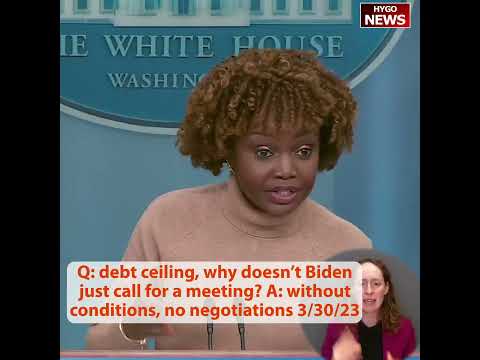
 Q: Debt Ceiling, Why Doesn't Biden Just Call For A Meeting? A: It Should Be Done Without Conditions
Q: Debt Ceiling, Why Doesn’t Biden Just Call For A Meeting? A: It Should Be Done Without Conditions
White House Press Secretary Karine Jean-Pierre was pressed during a March 2023 briefing on why President Biden hadn’t called for a meeting with House Speaker Kevin McCarthy about the debt ceiling despite the issue involving “the full faith and credit of the United States” — with 58 days having passed since the last such meeting. Jean-Pierre defended the administration’s position that raising the debt ceiling “should be done without conditions” with “no negotiations,” maintaining the administration’s no-negotiate stance despite growing default risks.
The 58 Days Reality
- Last meeting: 58 days since last Speaker-President meeting.
- Full faith and credit: Full faith and credit of U.S. at stake.
- Default risk: Growing default risk as deadline approached.
- Economic stakes: Massive economic stakes.
- Political isolation: Growing political isolation between leaders.
The Reporter’s Pressure
- Meeting absence: Pressed on absence of meetings.
- Initiative question: Why not initiate meetings.
- Serious issue framing: Framed as serious issue requiring action.
- Presidential leadership: Presidential leadership expectations.
- Institutional responsibility: Institutional responsibility expectations.
Jean-Pierre’s “Without Conditions” Position
- No negotiations: “There should be no negotiations.”
- Without conditions: Raising ceiling “without conditions.”
- Congressional responsibility: Congressional responsibility framing.
- Not negotiable: Treating as non-negotiable.
- Hard line: Hard line administration position.
The Negotiation Strategy
- Public posture: Public no-negotiation posture.
- Private dynamics: Potentially different private dynamics.
- Political positioning: Political positioning for default blame.
- Republican strategy: Republican negotiation strategy contrast.
- Endgame dynamics: Endgame dynamics approaching deadline.
The Economic Stakes
- Treasury warnings: Treasury Department default warnings.
- Credit rating: U.S. credit rating at risk.
- Market impact: Financial market impact.
- Interest rates: Global interest rate implications.
- Economic damage: Potential economic damage.
The Historical Context
- 2011 precedent: 2011 debt ceiling standoff.
- S&P downgrade: 2011 S&P U.S. credit downgrade.
- 2013 standoff: 2013 fiscal cliff standoff.
- Trump era: Debt ceiling raises during Trump.
- Partisan pattern: Increasingly partisan pattern.
The McCarthy Position
- Spending cuts: Speaker demanded spending cuts.
- Conservative base: Responding to conservative base.
- Conference pressure: Republican conference pressure.
- Freedom Caucus: Freedom Caucus influence.
- Leverage strategy: Using ceiling as leverage.
The Biden Position
- Negotiate budget: Willing to negotiate budget separately.
- Ceiling not negotiable: Ceiling itself not negotiable.
- Clean raise: Demand for clean debt ceiling raise.
- Republican responsibility: Framing as Republican responsibility.
- Historical precedent: Citing historical precedent.
The “Clean Raise” Position
- Procedural approach: Procedural approach to debt ceiling.
- Technical obligation: Framing as technical obligation.
- Existing debts: Payment of existing debts.
- Not new spending: Emphasizing not about new spending.
- Historical norm: Claiming historical norm.
The Congressional Dynamics
- Divided government: Split-chamber government.
- Schumer support: Senate Democratic support.
- House Republican majority: House Republican majority control.
- Discharge petition: Discharge petition possibility.
- Continuing resolution: Continuing resolution considerations.
The Political Theater
- Blame game: Blame game dynamics.
- Public messaging: Public messaging focus.
- Polling implications: Polling implications.
- Campaign positioning: Campaign positioning.
- Media coverage: Sustained media coverage.
The Substantive Issues
- Budget priorities: Budget priority differences.
- Spending levels: Spending level disputes.
- Revenue considerations: Revenue question debates.
- Program funding: Specific program funding.
- Structural reforms: Structural reform proposals.
The Procedural Options
- Simple raise: Simple debt ceiling raise.
- Tied to budget: Tied to budget negotiations.
- 14th Amendment: 14th Amendment theoretical options.
- Trillion dollar coin: Extraordinary measures speculation.
- Prioritization: Payment prioritization possibilities.
The International Dimension
- Global markets: Global market implications.
- Reserve currency: Reserve currency status implications.
- International confidence: International confidence effects.
- Foreign holdings: Foreign Treasury holdings.
- Trading partners: Trading partner impact.
The Administrative Preparations
- Treasury planning: Treasury contingency planning.
- Federal Reserve: Federal Reserve preparations.
- Agency preparations: Federal agency preparations.
- Communication strategy: Communication strategy planning.
- Crisis management: Crisis management preparations.
Key Takeaways
- Reporter pressed on why Biden hadn’t called for meeting with McCarthy 58 days after last Speaker-President meeting.
- Jean-Pierre maintained administration’s position that debt ceiling raise “should be done without conditions.”
- She insisted “there should be no negotiations” on the debt ceiling itself.
- The exchange came amid growing default risks with no sign of movement from either side.
- Administration continued treating debt ceiling as purely Congressional responsibility.
- The political standoff reflected broader patterns of partisan conflict over fiscal policy.
Transcript Highlights
The following quotations are drawn from an AI-generated Whisper transcript of the briefing and should be considered unverified pending official transcript release.
- “We are talking about the full credit of this nation, which is why we believe that Congress should not hold this up.” — Karine Jean-Pierre
- “It should be done without conditions. There should be no negotiations.” — Karine Jean-Pierre
- “It’s been 58 days since there was a meeting between the House Speaker and the President on the debt ceiling.” — Reporter framing
- “We’re talking about the full faith and credit of the United States. We’re talking about a serious issue.” — Reporter framing
- “Why doesn’t the President just call for a meeting?” — Reporter question
- “Wait, let me answer. I heard your question.” — Karine Jean-Pierre
Full transcript: 101 words transcribed via Whisper AI.