 HYGO News
 Leavitt: cut off funding to NGOs bringing illegals; Feb 1 for tariff: Canada, Mexico, China
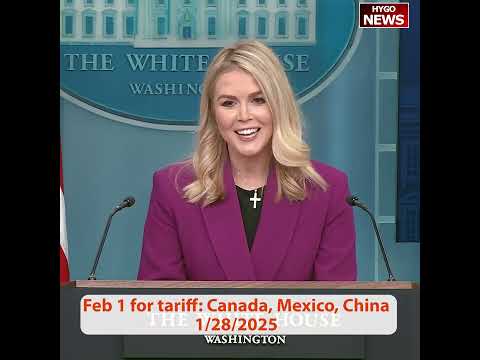
Leavitt: cut off funding to NGOs bringing illegals; Feb 1 for tariff: Canada, Mexico, China
Back Row Framework
“Reagan, since you’re in the back row, I hear you at the back row hasn’t gotten much attention in the last four years, so I’m happy to answer your question.”
Leavitt’s framework:
- Back row acknowledgment
- Four-year attention gap (Biden era)
- Conservative media in back
- Now addressing
- Democratized access
The framework:
- Biden press corps front row
- Conservative media relegated
- Trump administration change
- Access democratized
- Physical repositioning
NGO Funding Question
“Does the President intend to permanently cut off funding to NGOs that are bringing illegal foreign nationals to the country, such as Catholic Charities?”
Reagan Reese’s question:
- NGO funding cutoff
- Permanent framework
- Illegal foreign nationals
- Catholic Charities specifically
- Framework critical
The NGO framework:
- Various organizations
- Federal funding
- Border assistance
- Transportation
- Housing
- Legal framework
Catholic Charities specifically:
- Largest NGO recipient
- Billions in federal funding
- Border operations
- Controversial
- Target framework
Executive Order Confirmed
“I am actually quite certain that the President signed an executive order that did just that, and I can point you to that.”
Leavitt’s framework:
- Executive order signed
- Specific framework
- Can point to it
- Confirmation framework
The executive order:
- Day 1 action
- NGO funding review
- Illegal immigration
- Various programs
Vetting Executive Order
“President Trump issued an executive order on increased vetting for refugees and visa applications. Part of that order was considering an outright ban for countries that have deficient screening processes.”
Reese’s framework:
- Increased vetting EO
- Refugees and visas
- Country ban consideration
- Deficient screening
- Ban possibility
The vetting framework:
- Stricter screening
- Country-level assessment
- Deficient identified
- Ban possible
- National security
“Has the President considered yet which countries might fall into this category, or countries like Afghanistan or Syria, under consideration for a full ban?”
Specific questions:
- Afghanistan
- Syria
- Full ban consideration
- Country framework
Rubio Framework
“Yes, so the President signed an executive order to streamline the vetting for visa applicants and for illegal immigrants in this country who are coming, of course, from other nations.”
Leavitt’s framework:
- Executive order confirmed
- Vetting streamlined
- Visa applicants
- Illegal immigrants already here
- Comprehensive
“It also directed the Secretary of State to review the process and make sure that other countries around the world are being completely transparent with our nation and the individuals that they are sending here.”
State Department framework:
- Rubio review
- Transparency check
- Countries evaluated
- Individual information
- Comprehensive review
“So the Secretary of State has been directed to report back to the President. I haven’t seen that report yet. We’ve only been here for a few days.”
The framework:
- Rubio report pending
- Time framework acknowledged
- Early days
- Process unfolding
Travel Ban Framework
The historical framework:
- Trump first-term travel ban
- Seven countries initially (later revised)
- Supreme Court upheld
- Biden ended
- Trump second-term framework
Likely second-term countries:
- Afghanistan (Taliban)
- Syria (civil war)
- Yemen (Houthi)
- Iran (regime)
- Somalia (ungoverned)
- Libya (unstable)
- Various
February 1 Tariffs
“On February 1st, he’s alluded to both the potential for tariffs for Canada and Mexico, but also China to take effect on those days. Whereas, what’s he thinking about that? Should those countries expect that?”
The framework:
- February 1 date
- Canada tariff
- Mexico tariff
- China tariff
- Effective framework
“Again, he was asked and answered this question this past weekend when he took a lot of questions from the press, and he said that the February 1st date for Canada and Mexico still holds.”
Leavitt’s framework:
- Trump answered
- Weekend press
- Feb 1 holds
- Canada and Mexico
- Commitment
China Tariff
“What about the China 10% tariff that he also had used about last Tuesday going into effect on the same day?”
Reporter’s follow-up:
- 10% China tariff
- Tuesday discussion
- Same date
- Effect timing
“Yes, the President has said that he is very much still considering that for February 1st.”
Leavitt’s framework:
- China tariff also Feb 1
- Still considering
- Very much still
- Confirmation implied
Sectoral Tariffs
“The other thing, yesterday he talked also about sectoral tariffs on, for instance, pharmaceuticals as well as semiconductor computer chips. He talked about steel, aluminum, and copper. What’s the timeline on those? Is that a similar sort of coming days thing?”
The sectoral tariffs:
- Pharmaceuticals
- Semiconductors / computer chips
- Steel
- Aluminum
- Copper
The framework:
- Industry-specific
- National security aligned
- Various justifications
- Comprehensive framework
America First Trade Memorandum
“Yes. So when the President talked about that in his speech yesterday, that actually wasn’t a new announcement. That was within a presidential memorandum that he signed in one of the first days here in the White House on his America First trade agenda.”
The memorandum:
- America First trade agenda
- First days signed
- Comprehensive trade framework
- Multiple sectors
- Long-term framework
“So there’s more details on those tariffs in there.”
Framework:
- Documented
- Specific details
- Public record
- Implementation path
“As far as a date, I don’t have a specific date to read out to you, but the President is committed to implementing tariffs effectively just like he did in his first term.”
The framework:
- Date TBD
- Implementation committed
- First-term precedent
- Effective framework
- Ongoing
Universal Tariff
“Finally, he also was asked on the plane when he gagged about the potential for a universal tariff. He was asked maybe about 2.5% there was a report about that. He said he wanted much bigger than that.”
The universal tariff framework:
- All imports
- Previously considered
- 2.5% report
- Trump rejected
- Wants bigger
The specific numbers:
- 2.5% considered reportedly
- Too low per Trump
- Higher framework desired
- Ultimate number TBD
“Should we understand that these tariffs would add up? In other words, you might have country-specific tariffs like Canada, Mexico, China. You might have sectoral tariffs like on pharmaceuticals as well as a potential universal tariff on top of that. Could he stack on one or the other, or would one sort of take precedence over another?”
The stacking question:
- Country-specific + sectoral + universal
- Stack framework
- Or precedence
- Implementation question
Stack Framework
“All I can point you to is what the President has said on this front. The February 1st date for Canada in Mexico, also the China tariff that he has discussed, he rejected the 2.5% tariff. He said that was a little bit too low. He wants it to be higher. I’ll leave it to him to make any decisions on that front.”
Leavitt’s framework:
- Trump’s statements
- Feb 1 Canada/Mexico
- China tariff discussed
- 2.5% too low
- Higher framework
The stacking question left open:
- Trump’s decision
- Future details
- Implementation specific
- Rate selection
- Leavitt not prejudging
Mexico and Canada Cooperation
“What the Mexicans and Canadians have done so far, do you have any comment on whether that has met the bar or what you want to see on the front?”
The framework:
- Mexico cooperation
- Canada cooperation
- Meeting the bar
- Framework assessment
“Thank you. I won’t get ahead of the President again on advocating to foreign nations on what they should or shouldn’t do to get away from these tariffs.”
Leavitt’s framework:
- Not get ahead of Trump
- Foreign nations framework
- Avoiding tariffs
- Not her role
Mexico Historic Cooperation
“The President has made it very clear again that he expects every nation around this world to cooperate with the repatriation of their citizens. The President has also put out specific statements in terms of Canada and Mexico when it comes to what he expects in terms of border security. We have seen a historic level of cooperation from Mexico, but again, as far as I’m still tracking, and that was last night talking to the President directly, February 1st is still on the books.”
The framework:
- Historic Mexico cooperation
- Border security framework
- Repatriation
- Still Feb 1
- Trump confirmed last night
Mexico’s cooperation:
- Border troops deployed
- Migrant flow reduced
- Deportations accepting
- Coordination framework
- Diplomatic engagement
Canada Cooperation
Canada’s framework:
- Trudeau resignation (2025)
- Various framework changes
- Border cooperation
- Political uncertainty
- Evolving framework
NGO Funding Context
The NGO funding framework:
- Billions in federal grants
- Refugee Resettlement programs
- Border assistance NGOs
- Catholic Charities largest
- Various religious organizations
The executive order framework:
- Day 1 action
- Funding review
- Potential cutoff
- Implementation TBD
- Legal framework
Catholic Charities Specifics
Catholic Charities USA:
- Federal funding recipient
- Billions annually
- Refugee resettlement
- Border assistance
- Various programs
The controversy:
- Federal role in religious organizations
- Illegal migration facilitation
- Political framework
- Funding appropriateness
- Framework debate
Vetting Framework
The vetting executive order:
- Biden-era reduced vetting
- Trump restoring robust vetting
- Country-specific evaluation
- Individual-level scrutiny
- Framework rebuilt
Implementation:
- State Department review
- Consular processes
- DHS coordination
- Intelligence community input
- Comprehensive framework
Tariff Schedule
Trump’s initial framework:
- Feb 1: Canada 25%
- Feb 1: Mexico 25%
- Feb 1: China 10%
- Later: Steel/aluminum 25%
- Later: Semiconductors
- Later: Pharmaceuticals
- Eventually: Reciprocal tariffs
The framework evolved:
- Some delays
- Some escalations
- Various negotiations
- Active framework
- Dynamic policy
Universal Tariff Framework
The universal tariff consideration:
- All imports
- Single rate
- Broad application
- Administrative simplicity
- Strategic framework
The 2.5% report:
- Wall Street Journal maybe
- Bessent framework
- Trump rejected
- Higher desired
- Ultimate rate TBD
Significance
The Leavitt briefing captured:
- NGO funding cutoff: Catholic Charities framework
- Vetting framework: Country bans considered
- Feb 1 tariffs: Canada, Mexico, China 10%
- Sectoral tariffs: Pharma, semis, steel, aluminum, copper
- Universal tariff: Higher than 2.5%
- Mexico cooperation: Historic level
The NGO framework addresses conservative concern about federal funding to organizations facilitating illegal immigration. Hundreds of millions flowing to NGOs ending.
The vetting framework represents national security restoration. Afghanistan and Syria particularly — unvetted from countries with minimal transparent government.
The February 1 tariffs schedule — Canada, Mexico, China — sets major economic event. North American trade framework, Chinese leverage, comprehensive framework.
The sectoral tariffs framework represents strategic industry protection. Key sectors where American manufacturing critical protected from Chinese or foreign competition.
The universal tariff framework represents paradigm shift potential. Baseline tariffs on all imports would fund government, encourage domestic production.
Key Takeaways
- Leavitt to Reese: “Reagan, since you’re in the back row, I hear you at the back row hasn’t gotten much attention in the last four years, so I’m happy to answer your question.”
- Leavitt on NGO funding: “I am actually quite certain that the President signed an executive order that did just that, and I can point you to that.”
- Leavitt on vetting: “The President signed an executive order to streamline the vetting for visa applicants and for illegal immigrants in this country … It also directed the Secretary of State to review the process and make sure that other countries around the world are being completely transparent with our nation.”
- Leavitt on Feb 1 tariffs: “He said that the February 1st date for Canada and Mexico still holds … the President has said that he is very much still considering that for February 1st” (on China).
- Leavitt on universal tariff: “He was asked maybe about 2.5% there was a report about that. He said he wanted much bigger than that.”