 HYGO News
 Speaker Johnson: OBBB Delivers 'Much Needed Reinforcements' -- 10,000 New ICE Agents, $10K Bonus for Border Patrol/ICE, $45B Detention, $14.4B Transport for 1 Million Deportations Annually; DHS Sec Noem: Hurricane Season Brings Governor Control, Ending FEMA as We Know It -- Federal Role for 'Catastrophic Circumstances'
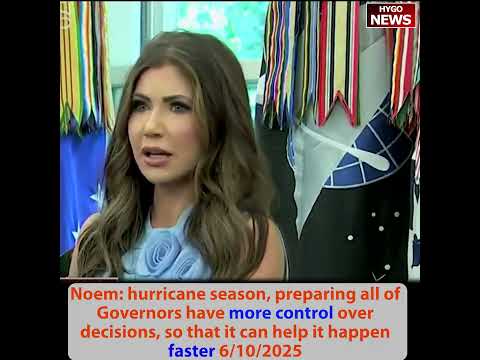
Speaker Johnson: OBBB Delivers “Much Needed Reinforcements” — 10,000 New ICE Agents, $10K Bonus for Border Patrol/ICE, $45B Detention, $14.4B Transport for 1 Million Deportations Annually; DHS Sec Noem: Hurricane Season Brings Governor Control, Ending FEMA as We Know It — Federal Role for “Catastrophic Circumstances”
Speaker Mike Johnson laid out the substantive OBBB law enforcement provisions in June 2025. “It’s those men and women, the federal law enforcement officers, who deserve our support right now, and the One Big Beautiful Bill delivers much needed reinforcements. In this bill we have funding to hire a minimum of 10,000 new ICE agents. We’re going to provide a $10,000 bonus to Border Patrol and ICE agents on the front lines. We’re going to include $45 billion to expand ICE detention capacity and $14.4 billion for air and ground transport to carry out at least one million deportations every single year. We’ll have to do that for quite some time because they let so many people in.” DHS Secretary Kristi Noem addressed hurricane season and FEMA reform: “We are in hurricane season right now… We are anticipating that we will have higher than usual activity during this hurricane season. We could have three to five major storms up to a dozen other hurricane level thresholds.” On FEMA: “President Trump does not want to see that continue into the future. So this agency fundamentally needs to go away as it exists and we need to have a response to states that supports them when terrible things come… financial resources are there, but they have decision-making power right there in the state.”
The OBBB Law Enforcement Provisions
Speaker Johnson laid out specific funding.
“Because you know it’s those men and women, the federal law enforcement officers, who deserve our support right now, and the one big beautiful bill by the way as Leader Scalise noted, delivers much needed reinforcements,” Johnson said.
He detailed the ICE expansion: “In this bill we have funding to hire a minimum of 10,000 new ICE agents.”
He cited the bonus: “We’re going to provide a $10,000 bonus to Border Patrol and ICE agents on the front lines.”
He described infrastructure: “We’re going to include $45 billion to expand ICE detention capacity and $14.4 billion for air and ground transport to carry out at least one million deportations every single year.”
He provided context: “We’ll have to do that for quite some time because they let so many people in.”
The Massive Immigration Enforcement Package
The OBBB provisions were comprehensive.
10,000 new ICE agents:
- Roughly doubles current ICE Enforcement and Removal Operations force
- Adds capacity for nationwide operations
- Year-round enforcement possibility
- Sustained pressure capability
- Generational transformation
$10,000 bonus for Border Patrol/ICE agents:
- Retention incentive
- Recruitment bonus
- Morale support
- Financial recognition
- Professional respect
$45 billion for detention capacity:
- Currently ICE has limited bed space
- Major expansion enables holding during processing
- Prevents catch-and-release
- Multiple facilities possible
- Long-term infrastructure
$14.4 billion for transport:
- Aircraft and vehicles for deportations
- One million deportations annually target
- Sustained long-term capability
- Infrastructure for mass removal
- Strategic investment
The “One Million Deportations Annually”
The specific target was historic.
Historical deportation numbers:
- Obama era: ~400,000/year
- Trump first term: ~250,000/year (peak)
- Biden era: ~60,000/year
- Target under OBBB: 1,000,000/year
- Unprecedented scale
Why one million matters:
- 20 million+ illegal immigrants total
- Removing one million per year = 5% annually
- Generational clearing possible
- Substantial impact over decade
- Structural change
The logistical implications:
- 2,740 deportations per day
- Multiple flights daily
- Ground transport nationwide
- Processing capacity
- International coordination
The funding mechanism:
- $14.4 billion directly funded
- $45 billion detention
- Not one-time cost
- Sustained investment
- Generational commitment
”We’ll Have to Do That for Quite Some Time”
Johnson acknowledged the scale.
“We’ll have to do that for quite some time because they let so many people in.”
The Scale of the Backlog
The Biden-era accumulation was substantial.
What happened during Biden:
- ~10 million+ illegal crossings
- ~5+ million arrivals
- Limited enforcement
- Catch-and-release standard
- Asylum claims processed rapidly
The specific scale:
- ~6,000/day average crossings during peak
- Multiple years of continuous
- Administrative accumulation
- Court backlogs exploded
- Enforcement impossible under prior approach
Why this required sustained effort:
- Removing 1M/year for 5 years = 5M
- Removing 1M/year for 10 years = 10M
- Still requires ongoing commitment
- Not one-time crisis
- Long-term infrastructure needed
The political framework:
- Trump first term built initial framework
- Biden dismantled it
- Trump second term rebuilding
- OBBB provides permanent structure
- Future administrations constrained
The Democratic Opposition
Johnson framed the political choice.
“We’re starting with the dangerous illegal aliens and that is exactly who the rioters and the politicians in California are trying to protect and it’s incredible.”
He delivered the contrast: “While Republicans are supporting the men and women of ICE through the one big beautiful bill, Democrats are fighting for those illegal aliens and against law enforcement agents.”
The “Starting with Dangerous Illegal Aliens”
The prioritization was specific.
Who Johnson referenced:
- Criminal illegal immigrants (highest priority)
- Those with final deportation orders
- Public safety threats
- Gang members
- Violent offenders
Why prioritizing criminals:
- Public safety value
- Political popularity
- Building infrastructure before broader
- Demonstrable immediate benefits
- Building political momentum
The Democratic opposition challenge:
- Protecting specifically criminals
- Politically indefensible
- Loses mainstream support
- Democratic brand damaged
- Electoral implications
The Republican advantage:
- Public safety clearly prioritized
- Infrastructure for sustained enforcement
- Democratic position untenable
- Coalition building
- Long-term political advantage
”Democrats Fighting for Illegal Aliens, Against Law Enforcement”
Johnson’s framing was politically sharp.
What this captured:
- Democratic positioning
- Against enforcement officers
- For illegal immigrants
- Against public safety
- Clear political choice
The political reality:
- Democratic officials publicly opposing enforcement
- Sanctuary cities resisting federal coordination
- Congressional Democrats criticizing operations
- Visible choice between constituencies
- Strategic political weakness
The electoral implications:
- Swing voters care about public safety
- Law enforcement voters concerned
- Working-class voters see Democrats as out of touch
- Minority voters (especially Hispanic) often support enforcement
- Democratic coalition fragmenting
The long-term trajectory:
- Democrats increasingly extreme
- Republican positioning mainstream
- Political realignment continuing
- Electoral implications building
- Policy consequences significant
Sec Noem on Hurricane Season
DHS Secretary Noem pivoted to natural disasters.
“We are in hurricane season right now. It will last for the next several months and we are prepared for what is coming.”
She predicted activity: “We are anticipating that we will have higher than usual activity during this hurricane season. We could have three to five major storms up to a dozen other hurricane level thresholds that we will meet throughout this season.”
The 2025 Hurricane Season
Hurricane season had specific parameters.
The official hurricane season:
- June 1 - November 30
- Peak typically August-October
- Most intense storms late summer
- Multiple tropical systems
- Substantial preparation required
The 2025 outlook:
- NOAA predicting “above-normal” activity
- Multiple strong storms expected
- Atlantic and Pacific coverage
- Gulf of Mexico particularly active
- Long-term climate trends
The specific prediction:
- “Three to five major storms” (Category 3+)
- “Up to a dozen other hurricane level thresholds”
- Substantial threat
- Widespread impact possible
- Multiple states affected
The preparation framework:
- Pre-deployed resources
- Regional coordination
- State communication
- Material readiness
- Personnel standby
The FEMA Reform Framework
Noem addressed the broader FEMA reform.
“But also sir, you’ve been very clear that you want to see FEMA eliminated as it exists today.”
She described the transition: “So I’m preparing all of these governors that they will have more control over the decisions on how they respond to their communities so that it can happen faster, that they can pre-deploy resources and help coordinate on communication as well.”
She described the current mission: “So while we are running this hurricane season, making sure that we have pre-staged and worked with the regions that are traditionally hit in these areas, we’re also building communication and mutual aid agreements among states to respond to each other.”
The “FEMA Failed” Analysis
Noem laid out the problem.
“But we all know from the past that FEMA has failed thousands if not millions of people and President Trump does not want to see that continue into the future.”
She explained the policy direction: “So this agency fundamentally needs to go away as it exists and we need to have a response to states that supports them when terrible things come and when the worst day of their lives happens to where the financial resources are there, but they have decision-making power right there in the state to respond.”
The FEMA Problems
FEMA had well-documented issues.
Historical FEMA failures:
- Hurricane Katrina 2005 (major failure)
- Hurricane Maria 2017 (Puerto Rico problems)
- Various specific disaster responses
- Bureaucratic inefficiency
- Slow response times
The specific problems:
- Centralized decision-making
- Federal bureaucracy
- Slow resource deployment
- Political considerations
- Limited local knowledge
Why state control was better:
- Local knowledge
- Faster response
- Accountability to voters
- Flexibility
- Direct engagement
The Trump administration vision:
- State-level primary response
- Federal financial support
- Coordinated among states
- Mutual aid agreements
- Limited federal direct role
”This Agency Fundamentally Needs to Go Away”
Noem’s position was significant.
What this meant:
- Not reform but elimination
- Current FEMA structure ending
- State-based system replacing
- Federal role minimized
- Fundamental restructuring
Why this was dramatic:
- Major federal agency change
- Long-standing institution
- Democratic constituency
- Political cost
- Long-term consequences
The political opposition:
- Democrats defending federal role
- Public employees union
- Various state Democrats (fearing state costs)
- Emergency management community
- Traditional beltway resistance
The administration rationale:
- Better service for disaster victims
- More efficient response
- Closer to affected communities
- Less bureaucratic
- Constitutional principles
”Financial Resources There, Decision-Making at State”
Noem’s framework was specific.
The core principle:
- Federal government provides funding
- States make operational decisions
- Local communities respond
- Bureaucracy minimized
- Results prioritized
What this preserves from FEMA:
- Federal financial resources
- Cross-state coordination
- Major disaster response
- Strategic reserves
- Specialized capabilities
What this eliminates from FEMA:
- Federal operational control
- Centralized bureaucracy
- Delayed decision-making
- Political considerations
- Local displacement
The specific improvements:
- Faster state response
- Better local knowledge
- Clear accountability
- Reduced bureaucracy
- More flexibility
The “Catastrophic Circumstances” Framework
Noem described federal residual role.
“So while we are running this hurricane season, making sure that we have pre-staged and worked with the regions that are traditionally hit in these areas, we’re also building communication and mutual aid agreements among states to respond to each other so that they can stand on their own two feet with the federal government coming in in catastrophic circumstances with funding.”
The New Federal-State Relationship
The model was clear.
Normal disasters:
- States handle primarily
- Federal provides funding
- Mutual aid between states
- Local expertise deployed
- Professional response
Major catastrophes:
- Federal financial support
- Federal coordination possible
- Specialized capabilities
- Strategic reserves
- Cross-state mobilization
Truly catastrophic events:
- Major federal engagement
- Funding without limits
- All resources available
- Comprehensive coordination
- National effort
The principle underlying:
- Subsidiarity (lowest effective level)
- Efficiency through proximity
- Accountability through responsibility
- Flexibility through delegation
- Resources through federal
”Standing on Their Own Two Feet”
Noem’s framing was clear.
“So that they can stand on their own two feet with the federal government coming in in catastrophic circumstances with funding.”
The State Capacity Building
This required state investment.
What states would need:
- Enhanced state emergency management
- Better mutual aid agreements
- Pre-positioned resources
- Training programs
- Equipment
The transition framework:
- Federal funding for state capacity
- Training through FEMA-style programs
- Equipment transfer from federal to state
- Personnel transition
- Institutional development
The phase-in period:
- Current hurricane season operating
- State capacity developing
- Federal role gradually changing
- Institutional learning
- Smooth transition preferred
The long-term outcome:
- Strong state emergency management
- Federal strategic role
- Better disaster response
- Reduced bureaucracy
- Cost-effective system
The Past FEMA Failures
Noem’s indictment was specific.
“But we all know from the past that FEMA has failed thousands if not millions of people and President Trump does not want to see that continue into the future.”
The Hurricane Helene Example
A recent example informed the discussion.
Hurricane Helene (September 2024):
- Devastated North Carolina
- Massive destruction
- Slow federal response
- Biden administration blame
- Significant political issue
FEMA’s specific failures:
- Slow to arrive in affected areas
- Inadequate initial response
- Distribution problems
- Communication failures
- Bureaucratic inefficiency
The political impact:
- Became major 2024 election issue
- North Carolina voters frustrated
- Republican criticism intensified
- Democratic credibility damaged
- Federal disaster response questioned
The lessons learned:
- Current structure failed
- Alternative needed
- State authority valuable
- Federal bureaucracy problematic
- Reform essential
”Better Set Up for the Future”
Noem articulated the long-term vision.
“So while we are running this hurricane season, making sure that we have pre-staged and worked with the regions that are traditionally hit in these areas… So the next several months we expect it to be high activity and the federal government is here to support the people of the United States with President Trump’s leadership while he’s doing that. He’s also going to make sure that they’re better set up for the future so that they have the ability to really take care of their families when a crisis or a terrible storm does hit.”
The Recent Tornado Examples
Noem referenced specific successes.
“We’ve got many governors that just recently had terrible tragic losses from tornadoes from other events that went through their states and FEMA was extremely responsive and they’ve all been very happy.”
She specified: “I think Mr. President, you even spoke to one of those governors this morning who is very happy and the Missouri governor as well who is very happy.”
The Current FEMA Working When Properly Directed
The acknowledgment was important.
What the recent tornado responses showed:
- FEMA can respond effectively
- Current structure has capabilities
- Political direction matters
- Leadership makes difference
- Professional capacity exists
Why reform still important:
- Depends too much on political leadership
- Needs structural changes
- State empowerment valuable
- Long-term reform essential
- Permanent institutional change
The specific recent responses:
- Missouri tornado
- Other state tornado events
- Trump administration responded well
- FEMA functional under right leadership
- State partnership effective
The political lesson:
- Trump administration shows FEMA can work
- But structural change still needed
- Not about eliminating capability
- About improving decision-making
- About state empowerment
”I’m in Direct Communication with Governors”
Noem emphasized her approach.
“I’ve, as soon as something happens in their state, I’m in direct communication with the governors to make sure they have what they need but also making sure that they have the ability to make decisions to respond to the people that live in their states.”
The Direct Communication Model
Noem’s approach was notable.
What direct governor communication meant:
- Personal relationships
- Rapid response
- Flexibility for state needs
- Trust building
- Political coordination
Why this mattered:
- Removes bureaucratic layers
- Decisions made quickly
- State concerns heard directly
- Mutual accountability
- Political relationship maintained
The practical difference:
- Previous approach: bureaucratic chain
- Noem approach: direct contact
- Previous approach: delayed responses
- Noem approach: immediate engagement
- Previous approach: standard forms
- Noem approach: personal attention
The political calculation:
- Builds relationships with state leaders
- Cross-party engagement possible
- Demonstrates administration effectiveness
- Creates partnerships
- Long-term political value
The Governor Empowerment Framework
Noem’s broader vision was comprehensive.
What governors would control:
- Operational decisions
- Resource deployment
- Evacuation orders
- Shelter operations
- Local coordination
What governors would receive:
- Federal funding
- Technical support
- Strategic resources
- Coordination facilitation
- Catastrophic backup
Why this empowered them:
- Closer to affected communities
- Faster decision-making
- Direct accountability
- Local knowledge
- Political ownership
The implementation challenges:
- State capacity varies
- Some states need building
- Federal phase-out gradual
- Training essential
- Equipment transfers
The Broader Administrative Philosophy
The broadcast captured administration approach.
What OBBB represented:
- Massive federal investment in priority areas (immigration)
- Reform of failed federal agencies (FEMA)
- Specific personnel incentives
- State empowerment
- Comprehensive restructuring
The consistent principles:
- Federalism respected
- State empowerment where appropriate
- Federal strength where essential
- Bureaucracy minimized
- Results prioritized
Why this attracted broad support:
- Immigration enforcement popular
- State control popular
- Bureaucracy reduction popular
- Specific agent bonuses popular
- Federal reform popular
The political coalition:
- Law enforcement supporters
- Federalism advocates
- Conservative reformers
- Working-class voters
- Public safety priorities
The Integrated Vision
The broadcast showed administration approach.
Simultaneous priorities:
- Immigration enforcement (OBBB massive funding)
- Disaster preparedness (hurricane season)
- Agency reform (FEMA)
- State empowerment (governor control)
- Political coordination (relationships)
The governance philosophy:
- Focused federal authority where essential
- State empowerment where appropriate
- Bureaucratic reform where needed
- Personnel support where deserved
- Comprehensive modernization
The strategic success:
- Multiple policies advancing
- Cross-issue coordination
- Integrated messaging
- Political momentum
- Substantive results
Key Takeaways
- OBBB immigration enforcement: 10,000 new ICE agents, $10K bonus for Border Patrol/ICE, $45B detention, $14.4B transport for 1M annual deportations.
- Speaker Johnson’s political framing: “Republicans supporting ICE. Democrats fighting for illegal aliens and against law enforcement.”
- Noem on hurricane season: “Three to five major storms, up to a dozen hurricane level thresholds expected.”
- FEMA reform: “This agency fundamentally needs to go away as it exists. Governors need decision-making power.”
- Transition model: Federal funding with state operational control, federal role for catastrophic circumstances only.