 HYGO News
 Incoming House Democrat Leader No1 or Whip No2 or No3 Caucus Chairman
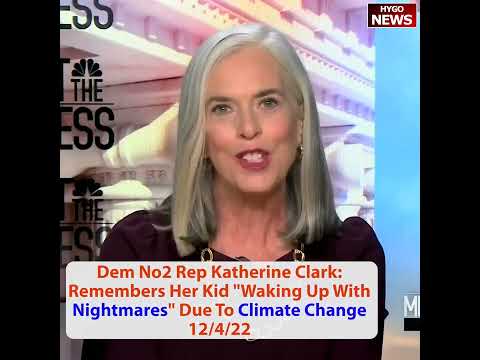
Incoming House Democratic Leader Asked About Border Funding, South Carolina Primary, and Biden 2024 — Commits to Biden Reelection Support
On 12/7/2022, an incoming House Democratic leader faced questions about the new leadership’s priorities and positioning on several issues. A reporter asked whether the leader would support hundreds of millions of dollars in border security funding that California mayors had requested. The leader claimed unfamiliarity with the specific letter despite serving on the Homeland Security Appropriations Committee. The reporter also asked about the DNC’s decision to put South Carolina first in the 2024 primary calendar — a decision widely seen as rewarding the state that had revived Biden’s 2020 candidacy. On the Biden 2024 question, the leader committed: “I certainly expect him to run and I absolutely look forward to strongly supporting him.” The exchange provided early insight into how the new House Democratic leadership would approach border security, 2024 politics, and the broader positioning of the party as it lost the majority to Republicans.
The Border Security Request
The reporter framed a specific funding question. “Will you be able to put in the hundreds of millions of dollars that so many mayors are asking for to shore up border security in the next few weeks? You’re from California, so a number of California mayors wrote this letter this past week,” the reporter asked.
The context was significant. By late 2022, border issues had become increasingly pressing for California cities. Even traditionally sanctuary-friendly mayors were pushing for additional federal resources to manage migrant influxes. The letter the reporter referenced represented a notable shift — California mayors acknowledging the need for border security funding rather than opposing it.
The incoming Democratic leader was from California, making the mayors’ letter particularly relevant. The reporter was essentially asking whether California Democratic leadership would support border security funding that California mayors were requesting.
”I’m Not Familiar With the Letter”
The leader’s response was surprising given her position. “I’m not familiar with the letter. I’m a member of the Homeland Security Appropriations Committee though. I can tell you, these are conversations that we continue to have,” the leader said.
The “not familiar with the letter” claim was notable because:
She was a member of the relevant committee — Homeland Security Appropriations was the congressional committee that would handle any such funding request.
She was from California — the state whose mayors had written the letter.
The letter was recent — “this past week,” making unfamiliarity harder to justify.
She was about to be in House Democratic leadership — a position requiring detailed knowledge of policy issues her caucus would address.
A California House member serving on Homeland Security Appropriations who wasn’t familiar with California mayors’ border funding request had some explaining to do. The combination of role, geography, and timing should have meant she was well-informed about the specific letter.
”Conversations We Continue to Have”
The leader pivoted to generalities. “These are conversations that we continue to have,” she said.
“Conversations” was a non-committal framing. Conversations happen whether or not action follows. The phrase allowed her to appear engaged with the issue while committing to nothing specific about funding levels.
This kind of non-answer was characteristic of politicians navigating between constituencies. California Democrats had competing pressures — progressive activists opposed to border security funding and local mayors requesting federal help. The “continuing conversations” framing allowed the leader to avoid taking a specific position that might alienate either constituency.
The Generational Framing
The leader then pivoted to generational themes. “But they’ve also given us a model to become our own leaders. And let me tell you what it means to me, coming in as a different generation. I remember my middle child waking up with nightmares over concern around climate change,” the leader said.
The generational pivot was strategically significant. The incoming House Democratic leadership was notably younger than the outgoing Pelosi-Hoyer-Clyburn generation. By emphasizing her generational identity and her children’s experiences, the leader was positioning herself as representing younger Democratic voters.
The climate change anecdote was particularly calibrated. It:
Connected personal family experience to political issues Emphasized generational change in Democratic leadership Signaled progressive priorities (climate change) to base voters Created emotional appeal through children’s nightmares
This was effective messaging but also revealed priorities. The leader was willing to discuss climate change extensively but deflected on specific border funding requests from mayors in her own state.
The South Carolina Primary Reshuffle
The reporter shifted to the 2024 primary calendar. “The DNC this week to rejigger the primary calendar, putting South Carolina first. Of course, South Carolina, many would argue, made Joe Biden president back in 2020,” the reporter said.
The primary calendar change was politically significant. The Democratic National Committee had announced it would move South Carolina to first in the 2024 primary calendar, displacing Iowa and New Hampshire, which had held those positions for decades.
The rationale was partly about diversity. South Carolina’s Democratic primary electorate was more racially diverse than Iowa’s or New Hampshire’s, making it more representative of the overall Democratic coalition. Black voters in particular had been underrepresented in the traditional early states.
But the rationale was also political. South Carolina had been the state that revived Biden’s 2020 candidacy after disappointing performances in Iowa, New Hampshire, and Nevada. Black voters in South Carolina had propelled Biden to his primary victory, establishing him as the frontrunner and leading to eventual consolidation of moderate Democratic support behind him.
By moving South Carolina to first for 2024, the DNC was essentially rewarding the state that had made Biden president. This would benefit Biden (or whoever ran with his support) by giving them an early advantage in a state where they were strong.
”Do You Expect Him to Run?”
The reporter connected the calendar question to Biden’s 2024 plans. “Do you expect him to run? Do you want him to run?” the reporter asked.
The double question was important. The first part — “do you expect him to run?” — was about prediction. The second part — “do you want him to run?” — was about preference. These were different questions with potentially different answers.
A politician might expect Biden to run (he had given various public signals suggesting he would) without necessarily wanting him to run (the politician might prefer a different candidate). Distinguishing expectation from preference would have been politically useful.
”I Certainly Expect Him to Run”
The leader committed without distinguishing. “I certainly expect him to run and I absolutely look forward to strongly supporting him,” the leader said.
The answer was unambiguous pro-Biden. She both expected him to run and would support him strongly. This was not the response of someone quietly hoping for alternative candidates or anxious about Biden’s 2024 viability.
The “certainly” and “absolutely” adverbs emphasized the commitment. She wasn’t expressing cautious optimism; she was expressing strong expectation and strong support. For an incoming Democratic leader to speak this way about Biden’s potential reelection signaled that House Democratic leadership would be fully aligned with Biden’s campaign.
The Political Context
The exchange came at an interesting moment for House Democrats. The party had lost the majority in the November 2022 midterms and would be in the minority for the 118th Congress. Biden had been publicly declining to firmly commit to a 2024 run, using language like “intention” rather than definitive commitment.
In this context, the incoming leader’s strong pro-Biden answer served multiple purposes:
Signaled party unity — Democratic leadership was behind Biden.
Discouraged primary challengers — If leadership was fully committed to Biden, challengers had less reason to expect support.
Provided political cover — Her commitment allowed Biden to continue building toward a 2024 campaign knowing he had leadership support.
Established her positioning — The new leader was aligning with the administration rather than distancing from it.
The Biden 2024 Announcement
Biden eventually announced his 2024 reelection campaign on April 25, 2023 — about five months after this exchange. The House Democratic leadership’s early commitment to Biden contributed to the political environment in which he could announce without significant intra-party opposition.
Bernie Sanders, Elizabeth Warren, and other progressive figures who might have mounted primary challenges declined to do so. The party’s establishment — including House leadership, Senate leadership, and state Democratic Party officials — had largely consolidated behind Biden before he formally announced.
This early consolidation was unusual. Historically, sitting presidents seeking reelection face at least token primary challenges. Biden faced essentially no serious challenges, which was partly a testament to the early party establishment commitment that leaders like this incoming House Democrat had signaled.
Key Takeaways
- An incoming House Democratic leader faced questions about border security funding, the South Carolina primary move, and Biden’s 2024 plans.
- Asked about California mayors’ border security funding request, she claimed unfamiliarity despite serving on Homeland Security Appropriations.
- She pivoted to generational themes and climate change when pressed on specifics.
- On the South Carolina primary calendar change, she connected it to the state that had “made Joe Biden president” in 2020.
- On Biden 2024, she was unambiguous: “I certainly expect him to run and I absolutely look forward to strongly supporting him.”
Transcript Highlights
The following is transcribed from the video audio (unverified — AI-generated from audio).
- Will you be able to put in the hundreds of millions of dollars that so many mayors are asking for to shore up border security?
- I’m not familiar with the letter. I’m a member of the Homeland Security Appropriations Committee though.
- I remember my middle child waking up with nightmares over concern around climate change.
- The DNC this week to rejigger the primary calendar, putting South Carolina first.
- Do you expect him to run? Do you want him to run?
- I certainly expect him to run and I absolutely look forward to strongly supporting him.
Full transcript: 169 words transcribed via Whisper AI.