 HYGO News
 Hunter not his laptop, his laptop but Russian, Biden didn't know, Biden knew but didn't influence
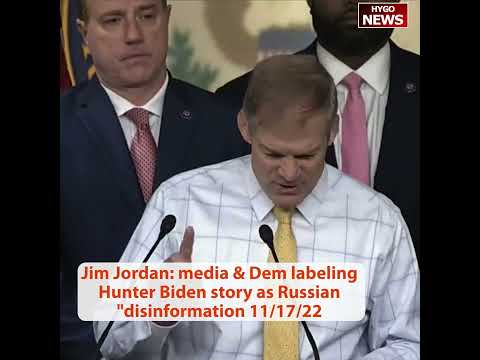
The Hunter Biden Laptop Story Evolution: “Not His Laptop” → “His Laptop But Russian Disinformation” → “Biden Didn’t Know” → “Biden Knew But It Didn’t Influence His Decisions”
On 11/19/2022, a commentator on the Hunter Biden laptop story traced the remarkable evolution of the Democratic and media narrative about the laptop. “Never forget how this story has changed,” the speaker said. The progression was documented: first, Democrats and allied media claimed “it’s not his laptop.” Then “it’s his laptop, but remember, it’s Russian disinformation.” Then “maybe he did something wrong, but President Biden didn’t know about it.” And finally, as the 2022 midterms ended and Republicans prepared to take the House, the story shifted again: “Maybe President Biden knew about it and was involved, but it didn’t influence his decisions.” A Politico article from the previous day had acknowledged this latest framing: “No evidence has publicly emerged that Joe Biden’s decisions were affected by his son’s business dealings.”
The Four Stages of the Laptop Story
The speaker laid out the narrative progression that had occurred over roughly two years:
Stage 1: “It’s Not His Laptop”
When the New York Post published the initial laptop story in October 2020 — three weeks before the presidential election — the immediate response from Democrats, Biden campaign allies, and most of the mainstream media was denial. The story was characterized as possibly fabricated, potentially hacked, and unverifiable. Twitter locked the Post’s account and prevented users from sharing the story. Facebook limited its distribution. The major broadcast networks barely covered it.
The “it’s not his laptop” framing allowed the story to be dismissed without engaging with its substance. If the laptop wasn’t Hunter Biden’s, then nothing on it mattered. This denial held through the election and for months afterward.
Stage 2: “It’s His Laptop, But Russian Disinformation”
As independent verification of the laptop’s authenticity accumulated — forensic analysis, confirmation of email signatures, matching of recovered files with other sources — the “not his laptop” position became untenable. The story shifted to acknowledging the laptop existed but characterizing it as Russian disinformation.
This framing was supported by a letter signed by 51 former intelligence officials in October 2020, which stated that the laptop story had “all the classic earmarks of a Russian information operation.” The letter was influential in the pre-election media treatment of the story. It would later emerge that the letter was solicited by Biden campaign officials specifically to provide cover for dismissing the story as disinformation.
Stage 3: “Biden Didn’t Know About It”
When the authenticity of the laptop became impossible to deny, and the emails on it showed extensive Hunter Biden business dealings with foreign entities, the narrative shifted to focus on Joe Biden’s personal non-involvement. Whatever Hunter had been doing, the story went, Joe Biden was unaware of his son’s business activities. The White House had repeatedly stated that Biden had “never discussed” Hunter’s business dealings with him.
This position was undermined by emails on the laptop itself showing communications that referenced meetings between Joe Biden and Hunter’s business associates, as well as testimony and reporting about interactions at events that included both Joe Biden and foreign business partners.
Stage 4: “He Knew But It Didn’t Influence Him”
As the 2022 midterms concluded and House Republicans prepared to launch formal investigations, the narrative shifted one more time. The new position, as captured in the Politico article the speaker cited, was that while Biden might have known about his son’s business dealings, “no evidence has publicly emerged that Joe Biden’s decisions were affected by his son’s business dealings.”
This was a significant retreat from the earlier positions. The “Biden didn’t know” defense had required asserting that Hunter’s business activities had been entirely walled off from the vice president. The new defense — “even if he knew, it didn’t affect his decisions” — implicitly conceded that the wall of separation had collapsed.
”Investigating the Investigators”
The speaker referenced a Politico article that acknowledged Democratic strategy to “launch counter punch to house GOP.” The article title — “Investigating the Investigators: Dem Strategist to Launch Counter Punch to House GOP” — captured the Democratic response strategy to the anticipated Republican investigations.
The strategy involved preparing detailed responses to expected Republican questions, coordinating messaging between the White House and Democratic allies, and preparing to characterize any Republican investigation as politically motivated overreach rather than legitimate oversight.
The Politico article contained the telling phrase the speaker highlighted: “no evidence has publicly emerged that Joe Biden’s decisions were affected by his son’s business dealings.” The careful language — “publicly emerged” rather than “exists” — implicitly acknowledged that private evidence might exist. It also set a standard for exoneration (“evidence that decisions were affected”) that would be difficult to meet by any evidentiary standard.
The Retreat Pattern
The speaker’s core point was that the Democratic narrative on the laptop had retreated repeatedly as evidence accumulated. Each position had been maintained until it became untenable, at which point a new, more defensive position had replaced it.
The retreat pattern followed a consistent structure:
- Deny the underlying fact (the laptop isn’t Hunter’s)
- When denial fails, attribute it to enemies (it’s Russian disinformation)
- When attribution fails, isolate the harm (Joe Biden didn’t know about it)
- When isolation fails, minimize the harm (even if he knew, it didn’t affect decisions)
Each retreat involved acknowledging what had previously been denied while establishing a new defensive position. The cumulative effect was that by late 2022, the administration was defending a position that would have been unthinkable in October 2020: yes, the laptop is real; yes, its contents are legitimate; yes, Biden may have known about his son’s foreign business dealings; but none of this affected his decisions.
The Media Complicity Question
The speaker’s implicit critique included the role of media organizations that had participated in the initial dismissal of the story. Major news outlets had repeated the “Russian disinformation” framing in 2020, declined to cover the laptop story, and amplified the 51-intelligence-official letter without noting its political origins.
By November 2022, some of these same organizations were running stories that implicitly acknowledged the laptop’s authenticity and its contents’ legitimacy. The shift in coverage was gradual and rarely accompanied by explicit acknowledgments of earlier errors. News consumers who had been told in 2020 that the story was disinformation were being told in 2022 that it had always been legitimate — without any clear admission that the earlier framing had been wrong.
Key Takeaways
- The speaker traced the four-stage evolution of the Hunter Biden laptop narrative: from “not his laptop” to “Russian disinformation” to “Biden didn’t know” to “Biden knew but wasn’t influenced.”
- Each retreat acknowledged what had previously been denied while establishing a new defensive position.
- A Politico article explicitly acknowledged: “no evidence has publicly emerged that Joe Biden’s decisions were affected by his son’s business dealings.”
- The “publicly emerged” standard set an extraordinarily high bar that would be difficult to meet by any evidentiary standard.
- The shift in coverage was rarely accompanied by explicit acknowledgments that earlier framing had been wrong.
Transcript Highlights
The following is transcribed from the video audio (unverified — AI-generated from audio).
- Never forget how this story has changed.
- When it started off, it was, no, it’s not his laptop.
- Then it was, well, it’s his laptop, but remember, it’s Russian disinformation.
- Then it was, well, maybe he did something wrong, but President Biden didn’t know about it.
- And now it’s, well, maybe President Biden knew about it and was involved, but it didn’t influence his decisions.
- No evidence has publicly emerged that Joe Biden’s decisions were affected by his son’s business dealings.
Full transcript: 187 words transcribed via Whisper AI.