 HYGO News
 General McKenzie Objected To This, What's The Definition Top National Security Official?
General McKenzie Objected To This, What’s The Definition Top National Security Official?
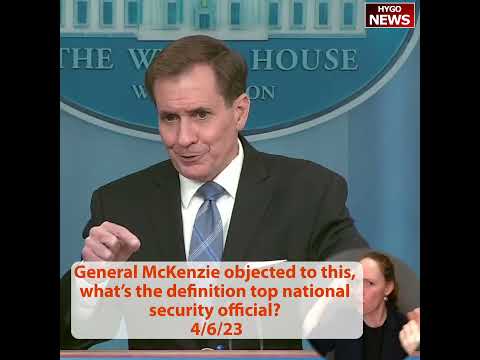
A reporter challenged NSC spokesman John Kirby during an April 2023 White House briefing about the Biden administration’s Afghanistan withdrawal review claim that President Biden “received and accepted the unanimous advice of his top national security officials to end the evacuation on August 31st” — pointing to former CENTCOM Commander Gen. Frank McKenzie’s public testimony that he had objected to aspects of the withdrawal. The reporter asked for a definition of “top national security official” that could reconcile the administration’s “unanimous advice” claim with McKenzie’s documented opposition.
The Report’s Claim
- Page eight reference: Specific page eight reference.
- “Unanimous advice”: Report claimed “unanimous” advice.
- August 31 date: Evacuation end date decision.
- President’s acceptance: President accepted the advice.
- Top national security officials: “Top” officials framing.
The McKenzie Contradiction
- CENTCOM Commander: General McKenzie as CENTCOM Commander.
- Public testimony: Public congressional testimony.
- Objection documented: Objection to evacuation end documented.
- Military leadership: Military leadership voice.
- Public record: Public record contradiction.
The Definition Question
- “Top national security”: What constitutes “top” official.
- Executive branch: Executive branch definition.
- Military leadership: Military leadership inclusion.
- Civilian vs. military: Civilian vs. military distinction.
- Categorization question: Categorization question implications.
Kirby’s Deflection
- “Loath to get into”: Reluctance to discuss specifics.
- Individual advice: Individual advice discussion.
- “Not appropriate”: Appropriateness framing.
- General framing: General framing preferred.
- Senior levels: Referenced “senior levels” broadly.
General McKenzie’s Position
- Public testimony: Extensive public testimony.
- Senate Armed Services: Senate Armed Services testimony.
- Afghanistan specifics: Specific Afghanistan operation testimony.
- Military judgment: Military professional judgment.
- Record contradiction: Record contradiction documented.
The August 31 Decision
- Biden’s decision: Biden’s August 31 decision.
- Taliban demand: Taliban demand context.
- Military assessment: Military assessment tension.
- Extension consideration: Extension consideration context.
- Political pressures: Political pressure context.
The McKenzie Testimony
- Earlier extension: McKenzie favored earlier Kabul airport hold.
- Security concerns: Security concern expressions.
- Professional assessment: Professional military assessment.
- Candid testimony: Candid congressional testimony.
- Record preservation: Public record preservation.
The Evacuation Context
- Airport operations: Hamid Karzai Airport operations.
- Time pressure: Extreme time pressure.
- Security perimeter: Security perimeter challenges.
- Abbey Gate bombing: August 26 Abbey Gate bombing.
- 13 U.S. deaths: 13 U.S. service members killed.
The “Unanimous” Claim
- Administration messaging: Administration messaging claim.
- Political convenience: Political convenience of unanimity.
- Documentary contradiction: Documentary contradiction.
- Credibility implications: Credibility implications.
- Public record tension: Public record tension.
The Professional Military Advice
- Civil-military relations: Civil-military relations.
- Presidential authority: Presidential ultimate authority.
- Military professional: Military professional obligations.
- Advice channels: Advice channels.
- Decision record: Decision record importance.
The Political Narrative
- Unanimous support: Claim of unanimous support.
- Dissent acknowledgment: Minimal dissent acknowledgment.
- Historical record: Historical record questions.
- Accountability implications: Accountability implications.
- Policy defense: Policy defense needs.
The CENTCOM Role
- Regional command: Regional command responsibilities.
- Afghanistan theater: Afghanistan theater jurisdiction.
- Operational authority: Operational authority.
- Strategic input: Strategic input function.
- Chain of command: Chain of command position.
The Process Questions
- Decision-making: Decision-making process questions.
- Input gathering: Input gathering process.
- Dissent handling: Dissent handling mechanisms.
- Final decisions: Final decision authority.
- Implementation: Implementation coordination.
The Report Criticism
- Methodological concerns: Methodological concerns.
- Completeness questions: Completeness questions.
- Political framing: Political framing criticism.
- Accountability gaps: Accountability gap questions.
- Historical accuracy: Historical accuracy concerns.
The Public Interest
- Transparency: Transparency obligations.
- Accurate record: Accurate record importance.
- Accountability: Accountability mechanisms.
- Institutional learning: Institutional learning requirements.
- Future operations: Future operation implications.
Key Takeaways
- Reporter pressed Kirby on the administration report’s “unanimous advice” claim from top national security officials.
- Gen. McKenzie’s public testimony that he objected to aspects of the withdrawal contradicted the unanimity claim.
- Kirby deflected by calling it “not appropriate” to discuss individual advisors’ specific advice.
- The exchange raised fundamental questions about what constitutes a “top national security official.”
- McKenzie’s CENTCOM Commander role gave him direct authority over the Afghanistan operation.
- The report’s framing raised credibility questions given documented military professional dissent.
Transcript Highlights
The following quotations are drawn from an AI-generated Whisper transcript of the briefing and should be considered unverified pending official transcript release.
- “On page eight, the President received and accepted the unanimous advice of his top national security officials to end the evacuation on August 31st.” — Reporter quoting report
- “What is the definition of a top national security official?” — Reporter question
- “We know, for example, that General McKenzie, who was then head of SETCOM, has said he objected to aspects of this.” — Reporter framing
- “I am loath to get into the individual advice that individual members of the President’s team give him. That would not be appropriate for me.” — John Kirby
- “The advice of his senior national security team all the way up to the senior levels of the Pentagon advised him that the 31st was the appropriate date to end that evacuation.” — John Kirby
- “What’s the definition of a top national security official?” — Reporter repeated question
Full transcript: 137 words transcribed via Whisper AI.