 HYGO News
 Trump at Fort Bragg: 'Can You Believe They Changed That Name in the Last Administration?' (Now Renamed for WWII Veteran Pfc. Roland L. Bragg); DHS Sec Noem: 'In 2020 I Watched Walz Let His City Burn -- Not Going to Let That Happen to Another City'; Rep Yvette Clarke: Dems 'Stand in Full Solidarity with Illegal Immigrants in LA'
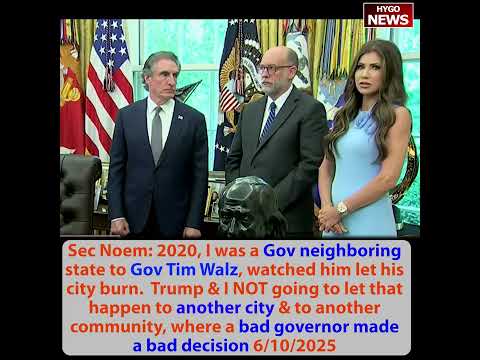
Trump at Fort Bragg: “Can You Believe They Changed That Name in the Last Administration?” (Now Renamed for WWII Veteran Pfc. Roland L. Bragg); DHS Sec Noem: “In 2020 I Watched Walz Let His City Burn — Not Going to Let That Happen to Another City”; Rep Yvette Clarke: Dems “Stand in Full Solidarity with Illegal Immigrants in LA”
At Fort Bragg on June 10, 2025, President Trump celebrated the Army’s 250th birthday at the base name restored from “Fort Liberty” back to Fort Bragg — this time honoring WWII veteran Pfc. Roland L. Bragg rather than Confederate General Braxton Bragg. Trump: “It’s a beautiful sight to be with you in a place called FORT BRAGG! Can you believe they changed that name in the last administration? But we’ll forget all about that. God Bless the U.S. Army and God Bless the USA.” DHS Secretary Kristi Noem contextualized the LA response with personal experience: “In 2020, I was a governor of a neighboring state to Gov Tim Walz, and watched him let his city burn. POTUS Trump and I have talked about this… he was not going to let that happen to another city and to another community, where a bad governor made a bad decision.” Noem condemned Mexican President Sheinbaum: “Claudia Sheinbaum came out and encouraged more protests in LA, and I condemn her for that. She should not be encouraging violent protests.” Rep Yvette Clarke (D-NY) revealed Democratic position: “Congressional Democrats stand in full solidarity with the residents of Los Angeles, with our immigrant sisters and brothers, and with the peaceful protesters who dare to speak out.”
Trump at Fort Bragg
President Trump’s appearance at Fort Bragg was significant.
“That’s a beautiful sight, and it’s a beautiful sight to be with you in a place called Fort Bragg,” Trump said.
He made the direct reference: “Can you believe they changed that name in the last administration for a little bit?”
He delivered the dismissal: “But we’ll forget all about that. Well, we’re gonna forget all about it.”
He closed with reverence: “I want to just say God bless the US Army and God bless the USA.”
The Fort Bragg Naming History
The base’s name history was complicated.
The original naming (1918):
- Named for Confederate General Braxton Bragg
- Controversial Southern Civil War general
- Known for battlefield failures
- Racial framework of Southern commemoration
- Problematic historical figure
The Biden renaming (2023):
- Renamed to “Fort Liberty”
- Part of broader Confederate name removal
- Progressive symbolism
- Cultural erasure framework
- Political decision
The Trump second-term restoration:
- Renamed back to “Fort Bragg”
- But honoring WWII veteran Pfc. Roland L. Bragg
- Different historical figure
- American patriot, not Confederate
- Clever administrative solution
Why this worked politically:
- Preserved original name
- Honored American WWII veteran
- Avoided Confederate association
- Challenged progressive naming decisions
- Symbolic cultural victory
The WWII Veteran Bragg
The renaming honored a specific American.
Pfc. Roland L. Bragg:
- World War II veteran
- Battle of the Bulge service
- Silver Star recipient
- American hero
- Died 1999
His specific heroism:
- Served in 17th Airborne Division
- Dropped behind enemy lines
- Rescued Army comrade during combat
- Under heavy enemy fire
- Distinguished personal valor
The political message:
- American hero honored
- Bragg name preserved
- Confederate association eliminated
- Progressive renaming overturned
- Cultural battle won
The broader implications:
- Similar renamings might be reversed
- Confederate vs. American hero distinctions
- Cultural restoration through administrative action
- Congressional involvement minimized
- Executive cultural policy
”Can You Believe They Changed That Name?”
Trump’s rhetorical question captured reaction.
What audiences felt:
- Frustration at Biden renaming
- Cultural erasure concerns
- Military tradition values
- Patriotic sentiment
- Political alignment
Why Trump succeeded politically:
- Channeled genuine sentiment
- Visible action matching words
- Base mobilization
- Cultural war win
- Simple administrative solution
The “forget all about that” dismissal:
- Moving past progressive era
- Trump restoration complete
- Focus on present
- Positive celebration
- Cultural renewal
Kristi Noem on 2020 Minneapolis
DHS Secretary Noem provided historical context.
“So in 2020, I was a governor of a neighboring state to Tim Walz and watched him let his city burn.”
She described the Trump approach: “And the president, and I’ve talked about this in the past, and he was not going to let that happen to another city and to another community where a bad governor made a bad decision.”
The 2020 Minneapolis Context
Noem’s reference was specific and telling.
What happened in Minneapolis 2020:
- George Floyd killed May 25, 2020
- Protests began immediately
- Turned violent quickly
- 3rd Police Precinct burned
- Widespread property destruction
- Minneapolis unrest continued for weeks
Walz’s response:
- Slow to deploy National Guard
- Hesitant to use force
- Appeared sympathetic to protesters
- Allowed continued violence
- Political calculation
Specific decisions:
- Did not pre-position Guard
- Delayed federal assistance
- Limited local police response
- Allowed precinct burning
- Continued through weeks
Why Walz was characterized as “letting city burn”:
- Minneapolis experienced substantial destruction
- Property damage exceeded $500 million
- Multiple deaths during unrest
- Businesses destroyed permanently
- Community devastation
Noem’s perspective as neighboring governor:
- South Dakota Governor
- Witnessed response failures
- Different approach preferred
- Saw consequences directly
- Informed current LA response
The Trump-Noem Conversation
Noem described Trump’s commitment.
“The president and I’ve talked about this in the past, and he was not going to let that happen to another city and to another community where a bad governor made a bad decision.”
What this revealed:
- Trump specifically discussed approach
- Lessons learned from 2020
- Proactive rather than reactive
- Different from 2020 federal approach
- Deliberate strategy
The 2020 federal approach:
- Trump deployed federal response
- But contained by state opposition
- Limited effectiveness
- Political criticism
- Restrained response
The 2025 approach:
- Proactive deployment
- National Guard activated
- Marines deployed
- Federal agents coordinated
- Swift and comprehensive
The strategic learning:
- Early action prevents escalation
- Strong response deters replication
- Political risks worth taking
- Public safety priority
- Long-term benefit outweighs short-term criticism
The Mexican President Condemnation
Noem condemned Mexican President Sheinbaum.
“So Claudia Sheinbaum came out and encouraged more protests in LA, and I condemn her for that.”
She made the specific statement: “She should not be encouraging violent protests that are going on.”
The Sheinbaum Context
The Mexican President’s role was unusual.
Who Sheinbaum is:
- Mexican President (since October 2024)
- Succeeded Lopez Obrador
- Morena party (left-wing)
- Environmental scientist background
- Progressive political positioning
What Sheinbaum had done:
- Public statements about LA protests
- Encouraged Mexican nationals to protest
- Supported anti-Trump sentiment
- Mexican flag displays encouraged
- International intervention in US politics
Why this was problematic:
- Foreign president encouraging unrest in US
- Mexican government supporting US lawlessness
- Diplomatic impropriety
- Internal US matter
- Sovereignty concerns
Noem’s condemnation:
- Direct and personal
- Criticized by name
- US Cabinet official
- Clear diplomatic message
- Strong position
”Peaceful Protest vs. Violence”
Noem made an important distinction.
“If people are allowed to peacefully protest, but the violence that we’re seeing is not acceptable and it’s not going to happen in America.”
The Noem Framework
Her position was principled.
What she accepted:
- Peaceful protest legitimate
- First Amendment rights
- Disagreement with policy allowed
- Public expression protected
- Civil discourse valued
What she rejected:
- Violence against officers
- Property destruction
- Organized unrest
- Weaponized protests
- Civil disorder
Why this mattered:
- Clear principle articulated
- Legitimate protest protected
- Violence condemned
- Rule of law maintained
- Political rights respected
The specific application:
- LA had both peaceful and violent elements
- Peaceful protesters protected
- Violent actors prosecuted
- Distinction maintained
- Clear legal framework
”Standing Up for the Average American”
Noem framed Trump’s motivation.
“This president is standing up for the average American who wants to walk their child to school every day safely, run their small business, and provide for their families.”
The “Average American” Framework
This was classic Trump positioning.
Who “average American” referred to:
- Working-class Americans
- Parents and families
- Small business owners
- Law-abiding citizens
- Taxpayers
What they wanted:
- Safe communities
- Reliable law enforcement
- Economic opportunity
- Quality schools
- Basic governance
What they needed protection from:
- Violence in streets
- Illegal immigration consequences
- Chaotic conditions
- Loss of property
- Disrupted normalcy
The political coalition:
- Trump’s base broadly
- Working families generally
- Suburban and rural voters
- Business owners
- Traditional Americans
The Constitutional Framework
Noem addressed legal authority.
“He has every authority under the Constitution to send these National Guard under Title X into these communities and make sure that operations go smoothly, that law enforcement officers are protected, that they can continue to go their work, do their work without fear of being injured or killed or disrespected, and that they can go home to their families at night.”
Title X Authority
The specific legal authority mattered.
What Title X authorizes:
- Federal deployment of National Guard
- Federalization of state units
- Constitutional basis
- Specific statutory authority
- Well-established precedent
Why Title X used:
- Federal control essential
- State cooperation uncertain
- Clear chain of command
- Federal mission priority
- Military readiness
The historical precedent:
- Lyndon Johnson’s Alabama 1965
- Protected civil rights marchers
- Federal deployment over state objections
- Constitutional authority
- Upheld as legitimate
The parallel in 2025:
- Federal deployment in LA
- Mayor/Governor objected
- Constitutional authority asserted
- Mission specific (protect federal officers)
- Precedent supported approach
”Specifically Trained to Meet the Need”
Noem explained Marine deployment.
“So I’m incredibly proud of the president for activating the National Guard and for sending in these marines because these marines are specifically trained to meet the need that we have on the ground in LA right now.”
The Marine Role
Marines represented distinct military capability.
Why Marines deployed:
- Specific urban warfare training
- Quick reaction capability
- Small unit effectiveness
- Disciplined force
- Legitimate federal resource
What they could do:
- Protect federal facilities
- Support law enforcement
- Maintain order at specific sites
- Federal building protection
- Limited legitimate role
What they couldn’t do (under law):
- Direct civilian arrests
- Replace local police
- Act as general law enforcement
- Violate Posse Comitatus
- Substitute for civilian authority
The specific legal framework:
- Marines supporting, not directing
- Protecting federal rather than enforcing
- Limited specific mission
- Coordinated with civilian authority
- Legally supportable role
The Newsom Critique
Noem addressed California’s governor.
“And Governor Newsom has done a disservice to the status of California for many years. The people there should never elect him into a leadership position ever again.”
The Newsom Political Assessment
This was a political body blow.
What “disservice” meant:
- Policy failures
- Economic decline
- Crime increases
- Housing crisis
- Governance failures
Why Newsom as future candidate:
- Potential 2028 presidential candidate
- Democratic rising figure
- California Democrat standard-bearer
- National party role
- Trump base hatred
Noem’s framing:
- Personal assessment from cabinet official
- Forward-looking political statement
- Electoral advice to California voters
- Political rather than diplomatic
- Trump loyalist positioning
The specific criticisms implicit:
- Sanctuary policies
- Fire response failures
- Economic damage
- Crime policies
- Cultural positioning
Rep Yvette Clarke’s “Full Solidarity”
Democratic Rep. Yvette Clarke (D-NY) revealed Democratic position.
“We still don’t know the full consequences of this unprecedented authoritarian overreach.”
She delivered the clear statement: “But let me be clear, congressional Democrats stand in full solidarity with the residents of Los Angeles, with our immigrant sisters and brothers, and with the peaceful protesters who dare to speak out.”
She committed continued opposition: “And who will support every effort to oppose this president’s abuse of power.”
The “Full Solidarity” Framing
Clarke’s statement was politically revealing.
Who Democrats claimed solidarity with:
- “Residents of Los Angeles” (general framing)
- “Our immigrant sisters and brothers” (both legal and illegal)
- “Peaceful protesters” (but also violent actors?)
- Those opposing Trump
- Democratic base
The specific problems:
- “Illegal immigrants” called “immigrant sisters and brothers”
- Erasure of legal/illegal distinction
- Language obscuring policy reality
- Political framing over factual accuracy
- Emotional appeal over substance
What “solidarity” meant practically:
- Opposition to enforcement
- Support for sanctuary
- Against federal operations
- Against deportations
- Democratic policy framework
The political consequences:
- Democrats aligning with illegal immigration
- Opposing federal law enforcement
- Supporting LA disruption
- Clear partisan positioning
- Voter implications significant
”Peaceful Protesters”
Clarke’s “peaceful protesters” framing required analysis.
What the actual protests featured:
- Violent attacks on officers
- Property destruction
- Foreign flag displays
- Weapons used against police
- Organized civil disorder
What Democrats characterized as “peaceful”:
- Everything happening in LA
- No distinction between peaceful and violent
- All protesters as victims
- Any enforcement as oppression
- Political rather than factual
Why this mattered:
- Voters could see actual events
- Video evidence widespread
- Democratic credibility damaged
- Strategic miscalculation
- Long-term political cost
The 2020 parallel:
- Democrats used “mostly peaceful” for 2020
- Same pattern in 2025
- Same credibility issues
- Same political costs
- Pattern persistent
The Andy McCarthy Legal Analysis
The broadcast featured legal analysis.
“We were talking with Andy McCarthy about this earlier, and he believes that the president is on firm legal ground to send the National Guard into Los Angeles, particularly given the historic precedent of Lyndon Johnson doing it in Alabama in 1965.”
The LBJ Precedent
The 1965 Alabama deployment was instructive.
What LBJ did:
- Federalized Alabama National Guard
- Over governor objection
- Supporting civil rights marchers
- Federal authority asserted
- Constitutional basis upheld
The specific situation:
- Selma to Montgomery march
- Alabama state opposition
- Potential violence against marchers
- Federal protection needed
- National Guard deployed
The legal basis:
- Civil rights enforcement
- Federal constitutional duty
- Title X authority
- Supreme Court had upheld
- Long-standing precedent
The 2025 parallel:
- Federal law enforcement
- State opposition
- Federal interests at stake
- Similar legal framework
- Similar authority invocation
The Marines vs. National Guard Distinction
An important legal distinction.
National Guard:
- Dual state/federal status
- Normally state control
- Can be federalized
- Long deployment traditions
- Various legal frameworks
Marines:
- Always federal military
- No state authority
- Federal mission only
- Posse Comitatus restrictions
- Limited civilian law enforcement role
Why this mattered in LA:
- Different authorities
- Different missions
- Different legal frameworks
- Different political implications
- Different operational capabilities
The Trump administration coordination:
- National Guard for broad protection
- Marines for specific federal facility protection
- Different missions for different forces
- Legal compliance maintained
- Effective coverage
The Federal Agencies Protection
The broadcast emphasized the specific need.
“We are talking about federal agencies doing their work and being…”
The Protection Priority
The specific concern was clear.
What federal agencies needed protection for:
- ICE operations
- FBI investigations
- U.S. Attorney office
- Federal buildings
- Federal personnel
The specific threats:
- Violent attacks
- Property destruction
- Personnel threats
- Office invasions
- Operational disruption
Why military support necessary:
- Local authorities resistant
- Federal buildings vulnerable
- Personnel at risk
- Operations must continue
- Order must be restored
The constitutional framework:
- Federal agencies protected
- Federal personnel safe
- Federal operations continue
- Federal authority maintained
- State interference addressed
The Political Stakes
The LA situation had broader implications.
For the administration:
- Federal authority demonstration
- Immigration enforcement momentum
- Political base mobilization
- National security priority
- Long-term policy success
For Democrats:
- Opposition to enforcement
- Alignment with illegal immigration
- Political positioning
- Base mobilization
- Long-term electoral cost
For LA specifically:
- City under federal operations
- Local opposition resisting
- National attention
- Political theater
- Economic impact
For future enforcement:
- Trump signaling nationwide
- Other cities warned
- Democratic opposition predictable
- Federal response established
- Pattern set
The Army’s 250th Birthday
The timing connected to military celebration.
What the Army’s 250th birthday represented:
- Founded June 14, 1775
- Continental Army origins
- Pre-dates Declaration of Independence
- Longest-serving American institution
- Core American identity
Trump’s appearance significance:
- Commander-in-Chief present
- Honoring military tradition
- Supporting military families
- Strengthening military ties
- Political alignment
The political context:
- Military recruiting up dramatically
- Pro-military administration
- Service members aligned
- Veterans’ support
- Cultural shift
The celebration purpose:
- Military recognition
- Family engagement
- Institutional morale
- Public appreciation
- National cohesion
Key Takeaways
- Trump at Fort Bragg: “Can you believe they changed that name? But we’ll forget all about that.” (Now honors WWII veteran Roland Bragg)
- DHS Sec Noem: “In 2020 I watched Walz let his city burn. Not going to let that happen to another city.”
- Mexican President Sheinbaum condemned for “encouraging violent protests” in LA.
- Constitutional authority: Title X precedent from LBJ’s 1965 Alabama deployment supports Trump’s LA National Guard.
- Rep Clarke reveals Democratic position: “Full solidarity with immigrant sisters and brothers” — effectively supporting illegal immigrants against enforcement.