 HYGO News
 Biden Spokesman STILL Won't Say If, Or When, Biden Will Speak To Xi Jinping After Months Of Promises
By HYGO News
Published
· Updated
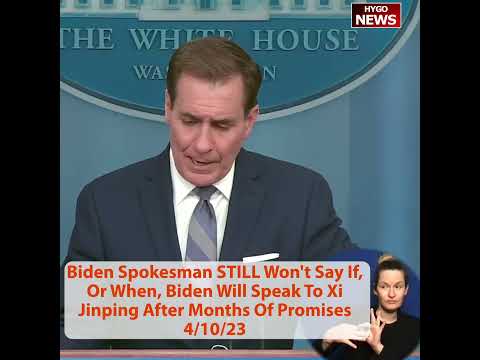
Biden Spokesman STILL Won’t Say If, Or When, Biden Will Speak To Xi Jinping After Months Of Promises
NSC spokesman John Kirby still could not commit to a timeline for when President Biden would speak with Chinese President Xi Jinping during an April 2023 White House briefing, despite months of promised conversations and escalating U.S.-China tensions over Taiwan. Kirby said Biden “looks forward to having another conversation” and that they would talk “at the appropriate time” — vague formulations that had defined administration messaging on the topic for months without producing an actual call.
The Months of Promises
- Extended timeline: Extended timeline of promises.
- Repeated commitments: Repeated commitments.
- No fulfillment: No fulfillment.
- Pattern recognition: Pattern recognition.
- Credibility damage: Credibility damage.
The Taiwan Tensions
- China-Taiwan: China-Taiwan tensions.
- Military exercises: Military exercises.
- Strategic messaging: Strategic messaging.
- Escalation risks: Escalation risks.
- U.S. interest: U.S. strategic interest.
The Pick-Up-The-Phone Question
- Simple action: Simple action possibility.
- Presidential authority: Presidential authority.
- “Knock it off”: Direct framing.
- Urgent need: Urgent need framing.
- Action absence: Action absence.
Kirby’s “Appropriate Time”
- Vague framing: Vague timing framing.
- “Appropriate time”: “Appropriate time” phrase.
- Open-ended: Open-ended timeline.
- Non-committal: Non-committal stance.
- Deflection pattern: Deflection pattern.
The Communication Lines
- Open lines claim: “Lines of communication” claim.
- Military channels: Military channel status.
- Working level: Working level engagement.
- Higher levels: Higher level challenges.
- Diplomatic coordination: Diplomatic coordination.
The Xi Jinping Context
- Chinese leader: Chinese leader positioning.
- Domestic political: Chinese domestic political factors.
- Foreign policy: Chinese foreign policy.
- Strategic competition: Strategic competition.
- Military modernization: Military modernization.
The Taiwan Strait Crisis
- Military exercises: Military exercises frequency.
- PLA activities: PLA activities intensification.
- Freedom of navigation: Freedom of navigation.
- Allied exercises: Allied exercises.
- Regional tensions: Regional tensions.
The Biden Administration Position
- Strategic competition: Strategic competition framework.
- Managed competition: Managed competition.
- Communication imperative: Communication imperative.
- De-escalation interest: De-escalation interest.
- Alliance coordination: Alliance coordination.
The Balloon Incident Legacy
- February balloon: February 2023 balloon incident.
- Blinken trip postponement: Blinken trip postponement.
- Diplomatic freeze: Diplomatic freeze effects.
- Recovery efforts: Recovery efforts.
- Trust erosion: Trust erosion.
The Biden-Xi History
- Bali summit: November 2022 Bali summit.
- Previous engagement: Previous engagement.
- Personal relationship: Personal relationship claim.
- Communication patterns: Communication patterns.
- Strategic communication: Strategic communication.
The “Another Conversation” Framing
- Historical conversations: Past conversation references.
- Future expectation: Future expectation.
- Relationship management: Relationship management.
- Dialogue tradition: Dialogue tradition.
- Diplomatic norms: Diplomatic norms.
The Lower-Level Engagement
- Working groups: Working group engagement.
- Technical dialogue: Technical dialogue.
- Diplomatic channels: Diplomatic channels.
- Military contacts: Military contact attempts.
- Economic dialogue: Economic dialogue.
The Strategic Competition
- Long-term competition: Long-term competition framework.
- Technology rivalry: Technology rivalry.
- Economic decoupling: Economic decoupling.
- Military modernization: Military modernization.
- Alliance building: Alliance building.
The Reporter Pressure
- Persistent questions: Persistent questions.
- Timeline demands: Timeline demands.
- Specific commitments: Specific commitment requests.
- Vague responses: Vague response pattern.
- Professional frustration: Professional frustration.
The Political Context
- Election year approach: Election year approach.
- Strength demonstration: Strength demonstration.
- Foreign policy credentials: Foreign policy credentials.
- Leadership questions: Leadership questions.
- Presidential standing: Presidential standing.
The Taiwan Interest Groups
- Congressional interest: Congressional interest.
- Pacific Command: Pacific Command concerns.
- Allied pressure: Allied pressure.
- Taiwanese interests: Taiwanese interests.
- Strategic implications: Strategic implications.
The “Appropriate” Timing
- Political considerations: Political considerations.
- Diplomatic preparation: Diplomatic preparation.
- Stakeholder coordination: Stakeholder coordination.
- Message alignment: Message alignment.
- Policy coordination: Policy coordination.
The Communication Gap
- Months of silence: Months of leader silence.
- High-level vacuum: High-level vacuum.
- Working-level filler: Working-level filler.
- Strategic signaling: Strategic signaling.
- Crisis prevention: Crisis prevention.
The Historical Context
- Previous crises: Previous crisis management.
- Communication patterns: Communication patterns.
- Institutional memory: Institutional memory.
- Relationship evolution: Relationship evolution.
- Strategic patterns: Strategic patterns.
The Administration Defense
- Communication maintained: Communication maintained claim.
- Working levels: Working level emphasis.
- Tension management: Tension management.
- Professional engagement: Professional engagement.
- Relationship preservation: Relationship preservation.
Key Takeaways
- Kirby couldn’t commit to timeline for Biden-Xi conversation after months of promises.
- The spokesman said Biden “looks forward to having another conversation” without specific timing.
- He used “appropriate time” framing that defined months of administration messaging.
- The exchange came amid continued Taiwan tensions.
- Kirby emphasized lower-level communication lines remained open.
- Biden had not spoken directly with Xi since the November 2022 Bali summit.
Transcript Highlights
The following quotations are drawn from an AI-generated Whisper transcript of the briefing and should be considered unverified pending official transcript release.
- “President looks forward to having another conversation with president.” — John Kirby
- “We’ll do that at the appropriate time. We’ll certainly keep you apprised of that.” — John Kirby
- “It’s important that those lines of communications stay open. The tensions are certainly high right now.” — John Kirby
- “When it’s appropriate for the two leaders to talk then they’ll happen.” — John Kirby
- “We know the president can pick up the phone any kind of call president Xi. We’ve been told this call is coming for months. Why hasn’t he just picked up the phone and called president Xi to say knock it off?” — Reporter question
- “We are and have been able to maintain lines of communication between our two countries even throughout all these tensions.” — John Kirby
Full transcript: 139 words transcribed via Whisper AI.