 HYGO News
 Biden says could have beaten Trump based on polling, Jeffries: looking forward; Boebert: against ATF
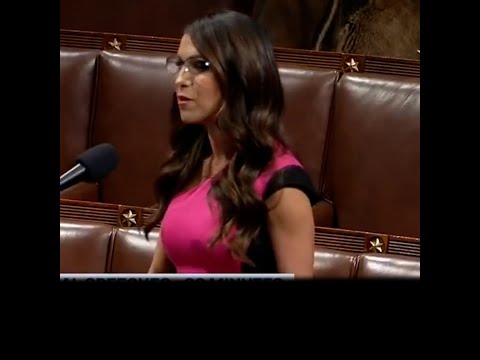
Biden says could have beaten Trump based on polling, Jeffries: looking forward; Boebert: against ATF
In the final days of the Biden presidency, a new interview with USA Today reignited debate over one of the most consequential political decisions of 2024: President Biden’s withdrawal from the presidential race. Biden claimed he could have beaten Donald Trump based on the polling, a statement that drew pointed responses from his own party’s leadership. House Minority Leader Hakeem Jeffries diplomatically but unmistakably contradicted the president, while other Democrats offered their own assessments. Meanwhile, Congresswoman Lauren Boebert filed legislation to abolish the Bureau of Alcohol, Tobacco, Firearms and Explosives, bringing a separate but notable policy debate into the same news cycle.
Biden Claims He Could Have Won
The USA Today interview, published in early January 2025, featured President Biden asserting that he believed he could have defeated Donald Trump in the 2024 general election had he remained in the race. The claim was based on polling data that Biden said supported his contention.
The assertion was met with skepticism across the political spectrum. Biden had dropped out of the race in July 2024 amid growing pressure from within his own party, following a disastrous debate performance against Trump that raised acute concerns about his age and cognitive fitness. His withdrawal paved the way for Vice President Kamala Harris to become the Democratic nominee, though she ultimately lost to Trump in a decisive election.
Jeffries: “We’re Looking Forward, Not Backward”
When pressed on Biden’s claim during a press conference, House Minority Leader Hakeem Jeffries offered a carefully worded non-endorsement of the president’s position.
“We’re looking forward, not backward,” Jeffries said when asked directly whether Biden was right that he could have beaten Trump.
When reporters pressed further, Jeffries was more candid about the reality facing Democrats in the summer of 2024: “Every indication that we had as Democrats in the caucus was that the president was on a trajectory to lose, and most specifically, that we were going to lose many, many House seats because of that, meaning the Democrats would lose House seats.”
The statement was significant. While framed diplomatically, Jeffries was directly contradicting Biden’s claim by stating that the Democratic caucus’s own assessment was that Biden’s candidacy would have led not just to a presidential loss but to significant down-ballot damage.
Jeffries noted the resulting political landscape: “And so we have a very narrow situation where the Republicans have a very narrow margin of victory. It’s just one or two seats now when we look at who’s being appointed to the administration.”
He expressed frustration that Biden’s accomplishments had not resonated with voters: “It is incredibly sad and discouraging that when you look at all of the work that the president has done on behalf of the American people and all the investments that were made, that that message did not get through. But it did not get through, and it was not getting through.”
Why the Message Did Not Get Through
When asked to explain why Vice President Harris lost the election, Jeffries offered a multi-layered assessment.
“I think it’s multi-fold. I really do,” Jeffries said. “And I think that is the work that we all have to do, is look into the details. But the ways in which we were all communicating with constituents about their most immediate needs was not effective.”
Jeffries also pointed to the information environment as a contributing factor: “You can’t discount the amount of not just misinformation or disinformation that was being spread on social media. There has been a wholesale rewriting of what happened on January 6. And that absolutely played into what happened in the election. No question.”
The assessment reflected a common theme among Democratic leaders in the post-election period: a combination of messaging failures and the challenges of competing in an information landscape where social media platforms, particularly those with reduced content moderation, had amplified narratives that Democrats believed were inaccurate.
Rep. Becca Balint on Biden’s Claim
Representative Becca Balint, a Democrat from Vermont, also weighed in on Biden’s assertion that he could have won reelection. While her specific comments were brief, her willingness to address the topic publicly added to the picture of a party that was not rallying behind the outgoing president’s self-assessment.
The broader dynamic was one of a Democratic Party caught between loyalty to a sitting president and an honest reckoning with the political realities that had led to his withdrawal and the subsequent election loss.
Boebert Files Legislation to Abolish the ATF
In a separate development, Congresswoman Lauren Boebert of Colorado filed HR 129 in the 119th Congress, legislation aimed at abolishing the Bureau of Alcohol, Tobacco, Firearms and Explosives. The bill was referred to the Judiciary Committee.
Boebert had been a vocal critic of the ATF throughout her time in Congress, arguing that the agency consistently exceeded its authority through regulatory rulemaking.
“Bureaucrats don’t create laws. Congress does,” Boebert said in support of the legislation. “This rule functions like a law that Congress never passed.”
She elaborated on her distrust of the agency: “We don’t trust the ATF because of their overreaching actions exactly like we’re seeing with this rule. Instead of providing regulations that keep our communities safe, this agency has made our communities more dangerous by wandering weapons to the cartels. Operation Fast and Furious exposed the recklessness of the ATF, how little regard they have for the rule of law.”
Boebert’s reference to Operation Fast and Furious invoked the Obama-era scandal in which the ATF allowed firearms to be sold to straw purchasers with the intent of tracking them to Mexican drug cartels, only to lose track of many of the weapons. The operation came under intense scrutiny after one of the weapons was found at the scene of the murder of Border Patrol Agent Brian Terry in 2010.
“Americans have had a hard time viewing these agencies and its rules as legitimate,” Boebert continued. “Gun-free zones are the most dangerous places in our country. The Second Amendment is absolute and it’s here to stay.”
The Broader Political Context
The juxtaposition of Biden’s self-assessment with his own party’s contradicting analysis illustrated the deep internal tensions within the Democratic Party as it transitioned to the minority. Biden’s insistence that he could have won, against the explicit assessment of leaders like Jeffries who believed he was “on a trajectory to lose,” highlighted unresolved questions about the decision-making process that led to his withdrawal and Harris’s nomination.
For Republicans, Boebert’s ATF abolition bill represented the kind of aggressive legislative posture that the incoming Trump administration’s allies in Congress intended to pursue. While the bill faced long odds of passage even in a Republican-controlled Congress, it signaled the direction of conservative priorities on firearms regulation and federal agency authority.
Key Takeaways
- President Biden claimed in a USA Today interview that he could have beaten Trump in 2024, but House Minority Leader Jeffries contradicted him, saying “every indication” showed Biden was “on a trajectory to lose” with Democrats set to lose “many, many House seats.”
- Jeffries attributed the Democratic loss to ineffective communication on voters’ “most immediate needs” and the spread of “misinformation or disinformation” on social media.
- Jeffries called it “incredibly sad and discouraging” that Biden’s policy accomplishments “did not get through” to voters.
- Congresswoman Boebert filed HR 129 to abolish the ATF, citing the agency’s “overreaching actions” and the Operation Fast and Furious scandal.
- Boebert argued that “bureaucrats don’t create laws” and that ATF rulemaking functions as law that Congress never passed.