 HYGO News
 Biden border bold statements: severe expedited removal only 7%
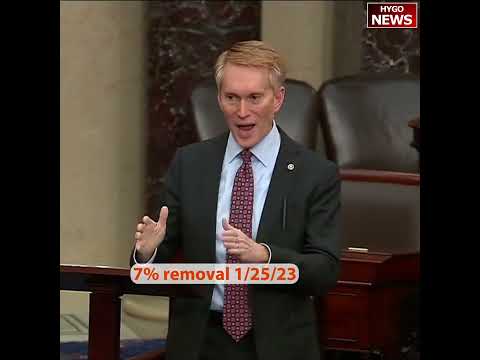
Sen. Lankford: Biden’s “Expedited Removal” Actually Removes Only 7% — “Just a Title Being Placed on Individuals”
In January 2023, Senator James Lankford delivered damaging fact-check of Biden administration’s “expedited removal” claims. “My concern is the numbers are so large and it is so out of control that people are just saying it’s too big, I’m not going to deal with it. But the chaos along our border is continuing,” Lankford said. On administration claims: “The administration has made some bold statements of late. They said we’re going to dramatically increase the number of people that are going to have expedited removal attached to them. Now that sounds really severe, expedited removal. They’re going to have expedited removal when they get there, except when we ran the numbers to be able to look at it, how many people are actually removed that get expedited removal, the number came back 7%. So expedited removal doesn’t actually mean removal. It’s just a title that’s being placed on individuals. So nothing’s really changing there.”
The “Too Big” Concern
Lankford’s opening concern. “My concern is the numbers are so large and it is so out of control that people are just saying it’s too big, I’m not going to deal with it,” Lankford said.
The concern:
Scale overwhelming — Yes.
Policy paralysis — Result.
Avoidance — Response.
Problem continues — Unsolved.
Political observation — Astute.
Lankford was identifying psychological dynamic where overwhelming scale led to policy paralysis. Rather than engaging with difficult problem, avoidance was easier. This was genuine observation about policy dysfunction.
The Chaos Framing
Chaos framing:
“Chaos” — Term used.
Ongoing — Present tense.
Border reality — Described.
GOP characterization — Standard.
Political framing — Effective.
“Chaos” was politically charged characterization that captured border communities’ experience. Administration preferred “challenges” or similar softer language. The language itself was political battle.
”Bold Statements of Late”
Administration claims. “The administration has made some bold statements of late. They said we’re going to dramatically increase the number of people that are going to have expedited removal attached to them,” Lankford said.
The claims:
Biden announcements — Reference.
Expedited removal — Key phrase.
Dramatic increase — Promised.
Policy toughness — Claimed.
Enforcement emphasis — Messaged.
Biden had announced expanded expedited removal as part of January 2023 border policies. This was tough-sounding enforcement element paired with new parole programs.
”That Sounds Really Severe”
The perception framing:
“Severe” — How it sounds.
Expedited removal — Term.
Implication — Strong enforcement.
Public perception — Likely.
Reality check coming — Signaled.
Lankford was setting up contrast. The administration was using tough-sounding language that suggested strong enforcement. He was about to reveal this was largely theater.
The 7% Reality
The 7% figure. “When we ran the numbers to be able to look at it, how many people are actually removed that get expedited removal, the number came back 7%,” Lankford said.
The data:
7% actually removed — Specific number.
“Expedited removal” designation — Vastly different.
Reality gap — Stark.
Investigation — Senate conducted.
Accountability — Through data.
The 7% figure was devastating if accurate. It meant 93% of people designated for “expedited removal” weren’t actually being removed. The rhetoric didn’t match reality.
”Doesn’t Actually Mean Removal”
Lankford’s assessment. “So expedited removal doesn’t actually mean removal. It’s just a title that’s being placed on individuals,” Lankford said.
The assessment:
Title vs. reality — Distinguished.
Label — Without substance.
Policy theater — Exposed.
Administration credibility — Challenged.
Direct accusation — Made.
Saying “expedited removal doesn’t actually mean removal” was direct accusation of policy theater. If the term didn’t match reality, administration was misleading public.
”Nothing’s Really Changing”
Final assessment. “So nothing’s really changing there,” Lankford said.
The assessment:
Policy unchanged — Practically.
Rhetoric changed — Only.
Announcement — Without substance.
Pattern — Recurring.
Voter frustration — Justified.
The conclusion that nothing was really changing was damaging. If administration announcements didn’t translate to policy change, credibility suffered. This was substantive critique.
The Expedited Removal Process
Expedited removal process:
Legal authority — 1996 law.
Summary removal — Of certain aliens.
Less due process — Than standard.
Quick deportation — Purpose.
Limitations — Various.
Expedited removal was actual legal authority allowing quicker removal of certain aliens without full removal proceedings. When invoked properly, it could speed removals significantly.
The Actual Removal Reality
Actual removal reality:
Bureaucratic delays — Common.
Credible fear — Claims.
Immigration court — Backlog.
Enforcement resources — Limited.
Many not removed — Actually.
Even when expedited removal was designated, many individuals weren’t actually removed due to credible fear claims, processing delays, country of origin issues, or other factors. The designation didn’t guarantee removal.
The Administrative Response
Administrative response would be:
Context explain — Some.
Process complexity — Cite.
Limited resources — Mention.
Policy working — Claim.
Attack Republicans — Standard.
Administration would likely argue that 7% understated actual removals from various pathways, or that process complexities explained low rate, or that expedited removal was still valuable designation.
The Credibility Challenge
Credibility challenge:
Administrative claims — Contradicted.
Data-based critique — Strong.
Senator with credibility — Delivering.
Media coverage — Likely.
Voter perception — Affected.
Lankford’s critique carried weight because he was credible voice on immigration. Data-based attack was harder to deflect than partisan attack. Administrative credibility on border was further damaged.
The Numbers Source
Numbers source:
“We ran the numbers” — Senator reference.
Staff analysis — Likely.
DHS data — Probably.
Specific methodology — Not detailed.
Credible claim — From investigation.
Lankford’s staff had apparently analyzed data to produce 7% figure. Whether exact calculation was accurate, the methodology of investigating administration claims was valid and produced meaningful information.
The Policy Theater Problem
Policy theater:
Announcements — Without substance.
Tough language — For messaging.
Reality different — From rhetoric.
Voter deception — Alleged.
Credibility cost — Real.
Policy theater was real problem in immigration policy. Both parties had engaged in it. When tough rhetoric didn’t match reality, credibility suffered over time.
The Administration Communications
Administration communications:
Tough language — Used strategically.
Enforcement emphasis — For moderate voters.
Actual implementation — Different.
Gap — Growing.
Attack material — Provided.
Administration had been using tough language to reassure moderate voters while implementing moderate policies. The gap between language and implementation created political attack material.
The January 2023 Policy Package
January package:
Parole expansion — 30K/month.
Expedited removal — Expanded designation.
Enforcement emphasis — Claimed.
Combined approach — Attempted.
Criticism — From multiple sides.
The January package had multiple elements. Progressive critics opposed enforcement expansion. Conservative critics like Lankford questioned whether enforcement was real. The package was politically vulnerable from both sides.
The Messaging Strategy Risks
Messaging strategy risks:
Over-promise — On enforcement.
Under-deliver — In practice.
Expose gap — To scrutiny.
Credibility — Damaged.
Trust — Lost.
Administration strategy of tough messaging without proportional action created vulnerability. When detailed analysis revealed gap, credibility suffered. This was self-inflicted wound.
The Immigration Data
Immigration data generally:
Difficult to interpret — Complex.
Multiple measures — Exist.
Partisan framing — Of same data.
Real trends — Obscured.
Honest discussion — Rare.
Immigration data was genuinely complex. Different measures showed different things. Both sides selected favorable data. Honest discussion of numbers was rare.
The Administrative Pattern
Administrative pattern:
Bold announcements — Regular.
Details limited — Initially.
Implementation — Slow/limited.
Criticism — From both sides.
Pattern — Across issues.
Biden administration had pattern of bold announcements whose implementation was slower than promised. This was common government phenomenon but particularly visible on immigration.
The Border Reality Continues
Border reality:
High numbers — Continuing.
Community strain — Real.
Federal response — Inadequate.
Politics — Fraught.
Solutions — Elusive.
Regardless of messaging, border reality continued. Communities were struggling. Federal response was inadequate. Political dysfunction prevented comprehensive action.
The Enforcement Reality
Enforcement reality:
Resources — Limited.
Courts — Backlogged.
Staff — Inadequate.
Facilities — Overcrowded.
Solutions — Not just enforcement.
The enforcement challenges weren’t just political choices. Practical capacity limits affected what was possible. More enforcement required more resources Congress hadn’t provided.
The Congressional Responsibility
Congressional responsibility:
Funding — Insufficient.
Laws — Outdated.
Reform — Needed.
Political — Impossible currently.
Blame — Shared.
Congress bore significant responsibility for immigration dysfunction. Adequate funding wasn’t provided. Reform hadn’t been passed. Both parties had blocked progress at various times.
The 2024 Dynamics
2024 dynamics:
Immigration salient — Yes.
Biden vulnerable — On issue.
GOP advantage — Possible.
Specific attacks — Like this one.
Messaging war — Intense.
Immigration would be major 2024 issue. Biden’s vulnerability was growing. Detailed critiques like Lankford’s provided ammunition. The messaging war would intensify.
The Lankford Credibility
Lankford credibility:
Serious senator — Reputation.
Immigration focus — Established.
Constructive — Often.
Knows details — Well.
Heard respectfully — Generally.
Lankford was respected voice even among some Democrats. His critiques carried weight because he was seen as substantive rather than pure partisan. This made his attacks more damaging.
The Eventual Bipartisan Effort
Eventual effort:
2024 negotiation — Lankford led.
Border security deal — Crafted.
Bipartisan support — Some.
Failed ultimately — Political.
Lankford reputation — Solidified.
Lankford’s 2023 critique preceded his 2024 negotiation leadership. His consistent engagement with details made him natural negotiator. Political failure of deal reflected larger dysfunction.
The Public Interest
Public interest:
Accurate information — Needed.
Policy performance — Evaluation.
Accountability — Expected.
Honest debate — Deserved.
Solutions — Sought.
Public deserved accurate information about policy performance. When critiques like Lankford’s revealed reality-rhetoric gaps, they served public interest. Journalism should engage with such critiques.
The Administrative Defense
Administrative defense options:
Context provide — For 7%.
Complexity acknowledge — In process.
Other removals — Cite.
Policy working — Argue.
Data dispute — If possible.
Administration had options for responding. But any response had to engage with Lankford’s specific data claim. Pure deflection would be inadequate.
The Future Policy
Future policy:
More changes — Likely.
Title 42 ending — Coming.
New measures — Planned.
Evaluation — Continuing.
Political dynamics — Shifting.
The immigration policy landscape would continue evolving. Title 42’s end would force new measures. Each change would be evaluated. Political dynamics would shift throughout 2023.
The Accountability Value
Accountability value:
Detailed critique — Important.
Media pickup — Affects attention.
Voter information — Through critique.
Policy improvement — Possible result.
Democratic function — Served.
Detailed critiques like Lankford’s served democratic function. Voters could learn about policy performance. Administration might improve in response. Accountability was maintained.
Key Takeaways
- Senator James Lankford delivered data-based critique of Biden’s “expedited removal” claims.
- He acknowledged the administration’s “bold statements” about dramatic increase in expedited removal designation.
- Lankford noted how it sounds: “Now that sounds really severe, expedited removal.”
- He then revealed the reality: “When we ran the numbers to be able to look at it, how many people are actually removed that get expedited removal, the number came back 7%.”
- Lankford’s assessment: “So expedited removal doesn’t actually mean removal. It’s just a title that’s being placed on individuals.”
- His conclusion: “So nothing’s really changing there” — damaging charge that administration’s border messaging didn’t match reality.
Transcript Highlights
The following is transcribed from the video audio (unverified — AI-generated from audio).
- My concern is the numbers are so large and it is so out of control that people are just saying it’s too big, I’m not going to deal with it.
- The administration has made some bold statements of late. They said we’re going to dramatically increase the number of people that are going to have expedited removal attached to them.
- Now that sounds really severe, expedited removal. They’re going to have expedited removal when they get there.
- When we ran the numbers to be able to look at it, how many people are actually removed that get expedited removal, the number came back 7%.
- So expedited removal doesn’t actually mean removal. It’s just a title that’s being placed on individuals.
- So nothing’s really changing there.
Full transcript: 136 words transcribed via Whisper AI.