 HYGO News
 Accountable For Giving President A Wrong View?
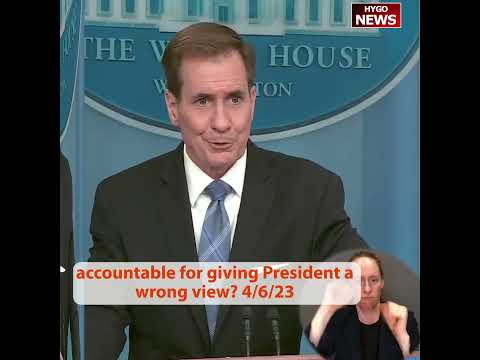
Accountable For Giving President A Wrong View?
NSC spokesman John Kirby was pressed during an April 2023 White House briefing about whether President Biden had lost confidence in the intelligence community for failing to foresee the speed of Taliban advance and Kabul’s fall — and whether intelligence officials should be “held accountable for giving the President a wrong view of things.” Kirby defended the intelligence community, saying their “assessment was flawed” and they “failed” but maintained they were “working hard” and “trying” in a “tough field” where getting intelligence “right every single time” is a difficult challenge.
The Intelligence Failure Admission
- “Assessment was flawed”: Explicit flawed assessment admission.
- “They failed”: “They failed” framing.
- Professional shortcoming: Professional shortcoming.
- Analytical failure: Analytical failure.
- Institutional problem: Institutional problem.
The Confidence Question
- Presidential confidence: Presidential confidence in IC.
- Assessment reliability: Assessment reliability.
- Decision-making: Decision-making implications.
- Trust implications: Trust implications.
- Future reliance: Future reliance questions.
The “Accountable” Question
- Accountability request: Direct accountability request.
- Professional accountability: Professional accountability.
- Consequences expectations: Consequence expectations.
- Individual responsibility: Individual responsibility.
- Institutional responsibility: Institutional responsibility.
Kirby’s Defense
- Hard work emphasis: Emphasized hard work.
- Good faith: Good faith effort.
- Professional effort: Professional effort.
- “Tough field”: “Tough field” framing.
- Institutional protection: Institutional protection.
The Intelligence Community Role
- Analytical function: Analytical function.
- Collection activities: Intelligence collection.
- Assessment synthesis: Assessment synthesis.
- Decision support: Decision support function.
- Professional standards: Professional standards.
The Taliban Advance Speed
- Nine-day takeover: Nine-day takeover.
- Accelerated timeline: Accelerated timeline.
- Institutional collapse: Afghan institutional collapse.
- Surprise element: Surprise element.
- Prediction failure: Prediction failure.
The Kabul Fall
- August 15 fall: August 15, 2021 fall.
- Presidential flight: Presidential flight.
- Government collapse: Government collapse.
- Institutional disintegration: Institutional disintegration.
- Media documentation: Media documentation.
The “Flawed Assessment”
- Clear admission: Clear admission of error.
- Public acknowledgment: Public acknowledgment.
- Institutional failure: Institutional failure acknowledgment.
- Analytical mistake: Analytical mistake.
- Professional shortfall: Professional shortfall.
The “Working Hard” Defense
- Effort emphasis: Effort emphasis.
- Dedication praise: Dedication praise.
- Professional commitment: Professional commitment.
- Institutional morale: Institutional morale.
- Political protection: Political protection.
The “Tough Field”
- Difficult nature: Difficult nature acknowledgment.
- Uncertainty inherent: Inherent uncertainty.
- Complex analysis: Complex analysis.
- Multiple variables: Multiple variables.
- Forecasting challenges: Forecasting challenges.
The Accountability Question
- No firings: No reported firings.
- No resignations: No reported resignations.
- Career continuation: Career continuation.
- Institutional stability: Institutional stability.
- Public accountability: Public accountability absence.
The Institutional Protection
- Career protection: Career official protection.
- System preservation: System preservation.
- Institutional loyalty: Institutional loyalty.
- Political convenience: Political convenience.
- Future reliance: Future reliance.
The Intelligence Community Context
- 9/11 reforms: 9/11 reform history.
- Iraq WMD failure: Iraq WMD failure precedent.
- Continued reforms: Continued reform efforts.
- Analytic standards: Analytic standards evolution.
- Alternative analysis: Alternative analysis procedures.
The Presidential Briefing
- PDB system: Presidential Daily Brief system.
- Senior leaders: Senior leader briefings.
- Analytic products: Analytic products.
- Decision support: Decision support function.
- Classified materials: Classified materials.
The Policy Implications
- Future decisions: Future decision implications.
- Intelligence reliance: Intelligence reliance.
- Alternative analysis: Alternative analysis need.
- Red teaming: Red teaming potential.
- Devil’s advocacy: Devil’s advocacy role.
The Analytical Community Response
- Professional pushback: Professional pushback.
- Methodological defense: Methodological defense.
- Collective responsibility: Collective responsibility.
- Individual protection: Individual protection.
- Institutional learning: Institutional learning.
The Historical Patterns
- Analytical failures: Analytical failure history.
- Surprise events: Surprise event patterns.
- Institutional learning: Institutional learning challenges.
- Systemic issues: Systemic issue continuation.
- Cultural factors: Cultural analysis factors.
The Accountability Void
- No consequences: No apparent consequences.
- Career continuity: Career continuity.
- Institutional protection: Institutional protection.
- Political convenience: Political convenience.
- Systemic issues: Systemic issues.
Key Takeaways
- Kirby admitted the intelligence community “assessment was flawed” and “they failed” on Afghanistan.
- He defended intelligence officials as “working hard” and “trying” in a “tough field.”
- The reporter specifically asked about accountability for “giving the President a wrong view.”
- No accountability measures were announced for intelligence community leaders.
- Kirby emphasized that getting intelligence “right every single time” is difficult.
- The response illustrated the administration’s approach to shielding career officials.
Transcript Highlights
The following quotations are drawn from an AI-generated Whisper transcript of the briefing and should be considered unverified pending official transcript release.
- “Their assessment was flawed and they failed in that assessment.” — John Kirby
- “The President knows how hard people work across the administration. He knows that they weren’t working hard.” — John Kirby
- “But intelligence, getting it right every single time? Man, that’s a tough, that’s a tough field to climb. It doesn’t mean that they don’t try.” — John Kirby
- “I think they wanted to held accountable for giving the President a wrong view of things returning out on the ground.” — Reporter question
- “Was there a moment during the Afghanistan withdrawal that the President lost confidence in the assessments that were given to him by the intelligence community?” — Reporter question
- “They failed to foresee how quickly the Taliban would advance and Kabul would fall.” — Reporter framing
Full transcript: 142 words transcribed via Whisper AI.